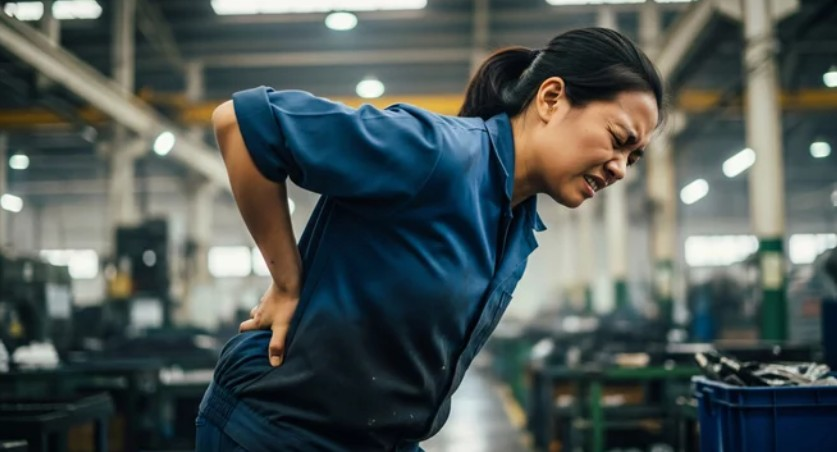
Chronic back pain and spine conditions affect millions of Americans, with up to 84% experiencing back pain at some point in their lifetime, often linked to disc-related issues that disrupt daily life and mobility.
The True Impact of Chronic Back Pain in America – (Peer-Reviewed Medical Stats)
The Devastating Impact of Chronic Back Pain in America Real Medical & Peer-Reviewed Statistics
65 Million
Americans reported a recent episode of back pain
National Health Interview Survey
16 Million
Adults (8% of all adults) suffer persistent or chronic back pain that limits daily activities
$12+ Billion
Annual U.S. healthcare + indirect costs due to back pain
Health Affairs, 2002
83 Million
Workdays lost every year because of back pain
U.S. Bureau of Labor Statistics
1 in 4
Adults with chronic back pain report fair to poor physical health (vs. 1 in 9 without pain)
72%
of chronic back pain sufferers say feelings of sadness, hopelessness, or worthlessness interfere with their life
60%
of adults with back pain are employed vs. 74% of adults without back pain
$18,480
Average annual earnings for workers limited by back pain vs. $24,480 for those without limitations
Patients Who See Chiropractors Are More Satisfied
UCLA Low-Back Pain Study (American Journal of Public Health, 2025)
Back-pain patients randomized to chiropractic care reported significantly higher satisfaction than those treated by medical doctors. They were far more likely to say their provider:
Explained the treatment thoroughly
Gave useful self-care advice
Made them feel genuinely cared for
Don’t become another statistic. At DRX Chicago, Dr. Jason Ingham and our team have helped thousands avoid surgery, opioids, and disability using the advanced DRX9000 non-surgical spinal decompression system.
DRX Chicago Spinal Decompression Therapy: Best Back Pain & Spine Condition Treatments
The DRX9000 system is a highly advanced non-surgical spinal decompression therapy that provides targeted pain relief for a wide array of spinal conditions, injuries, & degenerative disorders. This is achieved at DRX Chicago in Lakeview/Lincoln Park by gently stretching the spine to reduce disc pressure and promote natural healing.
In our relentlessly dynamic modern world, the intersection of ambitious personal pursuits and the unyielding demands of daily life has led to a pronounced increase in back injuries. Whether engaging in vigorous athletic activities, navigating physically intensive professions, or simply managing the cumulative stresses of everyday responsibilities, individuals subject their spines to repeated strain.
Over time, these persistent biomechanical stresses can compromise the structural integrity of the back, heighten vulnerability to injury, and challenge the body’s innate healing processes. Recognizing and addressing these contributing factors is essential for fostering spinal resilience and supporting long-term musculoskeletal health.
As a result, DRX Chicago specializes in the DRX9000 spinal therapy system to help patients avoid invasive surgeries and reclaim their pain-free lives.
How NSSD Techniques Enhance Spinal Health by Expanding Intervertebral Spaces and Promoting Disc Healing
NSSD techniques are designed to substantially increase the spacing between the vertebrae, effectively reducing pressure on the intervertebral discs. This expansion helps retract disc protrusions, relieving nerve compression and discomfort. As a result, the body’s natural healing mechanisms are activated, promoting the restoration of disc integrity and supporting overall spinal health.
Embrace Non-Surgical Back Pain Relief Today
Nonsurgical spinal decompression (NSSD) utilizes motorized traction with adjustable force and, in certain instances, varying angles of pull. Non-surgical spinal therapy is administered through specialized tables that apply this variable traction to counteract the proprioceptive contractile response of the spine’s paravertebral muscles to linear traction. This technique promotes a significant expansion of intervertebral spaces, which alleviates disc protrusions and facilitates the healing process.
DRX9000 FDA-cleared technology creates negative intradiscal pressure, retracting bulging or herniated material and enhancing nutrient flow to damaged discs, making it a go-to solution for conditions previously managed only through medication or operation.
DRX9000 Non-Surgical Spinal Decompression System: Indications for Use
The DRX9000 True Non-Surgical Spinal Decompression System provides a primary treatment modality for the management of pain and disability for patients suffering from incapacitating low back pain and sciatica. It is designed to apply spinal decompressive forces to compressive and degenerative injuries of the spine.
DRX9000 Non-Surgical Spinal Decompression therapy at DRX Chicago has been found to provide relief of pain and symptoms associated with herniated discs, bulging or protruding intervertebral discs, degenerative disc diseases, including posterior facet syndrome and sciatica.
Backed by clinical studies showing significant pain reduction in patients with discogenic pain, the DRX9000 addresses root causes for long-term spinal health. (View Cited Sources Below)
Don’t let spinal conditions limit your lifestyle. DRX9000 Non-Surgical Spinal Therapy provides proven, non-invasive treatment for the top treatable spine and back pain conditions, backed by clinical insights and patient success.
Top 9+ Spinal Conditions Effectively Treated with Spinal Decompression Therapy
1. Herniated Discs / Slipped & Bulging Discs
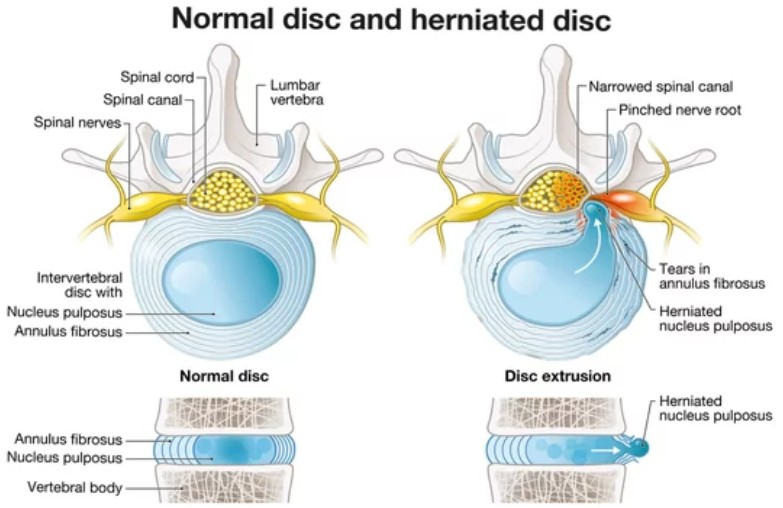
A herniated disc (also called a slipped, bulging, or ruptured disc) often occurs when the soft, jelly-like center (nucleus pulposus) of a spinal disc pushes through a tear in its tough outer layer (annulus fibrosus).
This can irritate or compress nearby nerves, leading to pain, numbness, tingling, or weakness in the back, neck, arms, or legs.
What Is a Herniated Disc?
Spinal Discs: Soft cushions between vertebrae that absorb shock and enable flexible movement.
The Injury: The inner gel-like nucleus pushes out through a tear in the outer ring.
Common Locations: Lower back (lumbar spine) or neck (cervical spine).
Herniated discs occur when the soft inner material of a spinal disc pushes through its outer layer, often compressing nearby nerves and causing radiating pain, numbness, or weakness in the limbs.
Symptoms of a Herniated Disc
Sharp, burning, or aching pain on one side, often radiating to arms (cervical) or legs (lumbar/sciatica).
Numbness, tingling (“pins and needles“), or muscle weakness in the affected area.
Pain that intensifies with sitting, bending, coughing, sneezing, or certain movements.
Herniated / Bulging Disc: Common Causes & Risk Factors
Aging: Natural disc degeneration reduces flexibility and water content.
Strain/Trauma: Improper lifting, twisting, or sudden injury.
Lifestyle Factors: excess weight, smoking, repetitive and strenuous work, or genetics.
Compressed or Pinched Root Nerve: Occurs when a spinal nerve root is irritated or squeezed as it exits the spine.
A compressed nerve root (also known as a pinched nerve or radiculopathy) often happens due to a herniated disc, bone spurs, or spinal stenosis, leading to pain, numbness, tingling, or weakness that radiates along the nerve’s path; such as down the arm (cervical radiculopathy) or leg (lumbar radiculopathy/sciatica).
While many herniated discs result from age-related wear or sudden strain, most improve with conservative care. At DRX Chicago, we specialize in advanced non-surgical spinal decompression therapy.
We specialize in non-surgical spinal decompression therapy, a gentle, computerized treatment that effectively relieves pressure on compressed nerve roots, promotes healing, and restores comfort without surgery or medications.
Non-Surgical Herniated Disc Treatment Options at DRX Chicago
Normal Vs. Herniated Disc
Most herniated discs heal within weeks to months with conservative care. Our proven approach focuses on lasting relief:
Initial Care: Brief rest, ice/heat therapy, and over-the-counter anti-inflammatories (NSAIDs).
Physical Therapy: Targeted exercises to strengthen core muscles, improve posture, and enhance stability.
Advanced Spinal Decompression: Using state-of-the-art technology, we create controlled negative pressure to gently retract herniated material, reduce nerve compression, and boost nutrient flow for disc healing.
When to Seek Immediate Medical Attention
Contact a doctor right away if you experience:
Severe or progressive weakness in legs/arms
Loss of balance or coordination
Bladder or bowel dysfunction (possible Cauda Equina Syndrome – a medical emergency)
Herniated / Bulging disc patients suffering from this common injury, frequently resulting from trauma or repetitive strain, report up to 86% improvement in symptoms after a course of spinal decompression therapy treatment sessions, avoiding the risks of surgical discectomy.
This non-invasive approach not only relieves acute pain but also supports disc rehydration, preventing further degeneration and enhancing overall spinal stability. For athletes or desk workers, DRX9000 spinal therapy restores function without downtime, as evidenced by research.
Bulging discs, where the disc extends beyond its normal boundary without rupturing, can lead to chronic discomfort and limited range of motion, especially in the lumbar region. DRX9000 therapy targets bulging discs through gentle elongation of the spine, reducing intradiscal pressure and allowing the disc to resume its natural shape while improving blood flow for healing.
In Chicago’s fast-paced environment, this condition often arises from poor posture or heavy lifting, and patients at DRX Chicago experience rapid relief, with many resuming activities within weeks. Unlike traditional traction, the system’s servo-motor precision ensures targeted decompression, minimizing muscle guarding and maximizing efficacy for long-lasting results.
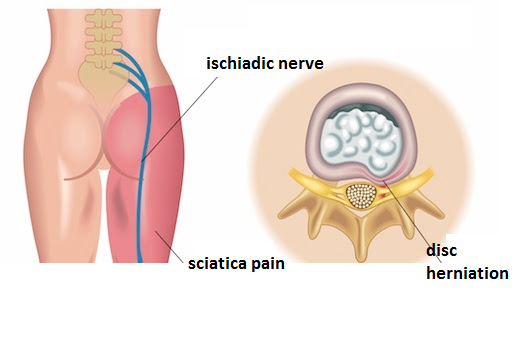
Sciatica manifests as sharp, shooting pain along the sciatic nerve, often from disc compression irritating the nerve roots in the lower back. DRX9000 spinal decompression relieves sciatica by decompressing the lumbar spine, retracting disc material to free the nerve and reduce inflammation, leading to diminished leg pain and improved gait.
DRX9000 Sciatica / Sciatic Nerve Pain Treatments
DRX9000 therapy prevents chronic sciatic nerve pain & flare-ups, with success rates highlighting its superiority over conservative care alone. The treatment’s logarithmic curve mimics natural spinal movement, ensuring comfort and efficacy without aggravating symptoms. Research supports its role in normalizing the range of motion for sciatica sufferers.
3. Degenerative Disc Disease
Degenerative disc disease involves the gradual breakdown of spinal discs due to aging or wear, resulting in stiffness, pain, and reduced shock absorption in the spine. The DRX9000 counters this by fostering disc rehydration and repair through negative pressure cycles that draw oxygen and fluids into dehydrated discs, slowing degeneration and easing associated lower back pain.
Chicago residents, particularly those over 40, benefit from DRX9000 spinal therapy as it addresses the root biomechanical issues without pharmaceuticals or fusion surgery.
Clinical data indicate sustained pain relief and improved functionality, with patients maintaining gains post-treatment. Integrated with Advanced Spine & Sports Care approaches, DRX Chicago’s protocol enhances core strength for enduring spinal wellness.
In Chicago’s aging population, where osteoarthritis contributes to stenosis, this non-surgical option delays invasive interventions like a laminectomy. Patients often note enhanced walking tolerance and reduced neurogenic claudication after sessions. Peer-reviewed studies affirm its benefits for stenosis-related pain, though combined with physical therapy for the best outcomes.
5. Chronic Lower Back Pain
Chronic lower back pain is a persistent and often debilitating condition that affects a significant portion of the population. It typically refers to discomfort or agony that lasts for more than three months and can be a result of various factors, including injury, poor posture, or underlying medical conditions.
This type of pain can manifest as a dull ache, sharp stabbing sensations, or a feeling of stiffness in the lower back area. Individuals suffering from chronic lower back pain may find it challenging to perform daily activities, such as bending, lifting, or even sitting for extended periods.
The pain can radiate down to the legs, leading to additional complications like numbness or weakness. Managing chronic lower back pain often requires a comprehensive approach, combining physical therapy, medication, lifestyle changes, and sometimes alternative treatments to improve quality of life and restore mobility.
6. Failed Back Surgery Syndrome
Failed back surgery syndrome involves persistent pain after spinal operations, often due to scar tissue or incomplete decompression. The DRX9000 offers a conservative salvage by gently mobilizing the spine, breaking adhesions, and enhancing disc health without reoperation risks.
For post-surgical Chicago patients disillusioned with prior outcomes, this therapy provides hope, with reports of significant pain scores dropping. It avoids hardware complications, focusing on natural recovery mechanisms. Case series demonstrate its viability for Failed Back Surgery Syndrome management.
7. Post-Surgical Low Back Pain
Post-surgical low back pain stems from residual disc issues or instability following procedures like discectomy. DRX9000 non-surgical decompression targets these remnants by promoting disc regeneration and nerve decompression, offering an alternative to revision surgery. In Chicago’s medical hub, patients seek this for quicker recovery and fewer complications. The system’s feedback loop ensures precise force application, enhancing safety post-op. Research indicates potential for symptom relief in this cohort.
8. Posterior Facet Syndrome – (Facet Joint Pain)
Posterior facet syndrome arises from arthritic changes or injury to the spinal facet joints, leading to localized back pain worsened by extension or rotation. DRX9000 therapy unloads these joints by decompressing adjacent discs and stabilizing the spine, reducing inflammation and restoring joint mobility.
Chicago professionals with sedentary jobs find relief from this syndrome, as the system’s precision targets lumbar facets effectively. This approach promotes synovial fluid circulation, aiding joint lubrication and pain reduction without injections. FDA clearance underscores its utility for facet-related conditions.
9. Radiculopathy – (Arm or Leg Symptoms Stemming from Spinal Compression Conditions)
Radiculopathy is a condition characterized by the irritation or compression of nerve roots as they exit the spinal column. This condition often results in symptoms such as pain, numbness, tingling, or weakness that can radiate into the limbs, depending on which nerve root is affected.
Common causes of radiculopathy include herniated discs, spinal stenosis, or injury to the spine. Understanding the specific nerve roots involved is crucial for effective diagnosis and treatment, which may include physical therapy, medication
Radiculopathy, nerve root irritation, causes arm or leg symptoms from spinal compression. DRX9000 alleviates radiculopathy by expanding foraminal spaces and retracting compressive elements, restoring nerve function and reducing neuropathic pain.
Chicago workers with occupational radiculopathy find spinal decompression therapy instrumental in returning to duties without opioids. Non-Surgical Spinal Therapy at DRX Chicago supports axonal healing through an improved microenvironment. Clinical audits report high satisfaction rates for radicular relief.
Ready for lasting pain relief without back or spine surgery?
At DRX Chicago, our experts personalize treatment plans to individual needs, integrating chiropractic sports care principles for optimal recovery. Contact us at 773-868-0347 or visit DRX Chicago for a full spinal evaluation and body analysis to start healing without surgery.
DRX9000: a gentle, FDA-cleared treatment that helps retract herniated material, rehydrate discs, and promote natural healing without surgery or drugs.
Why DRX Chicago Excels in Spinal Condition Treatments
DRX Chicago leads in non-surgical spinal care, utilizing the DRX9000 for the top treatable spine conditions with personalized protocols that incorporate Advanced Spine & Sports Care expertise for athletes and everyday patients.
Our premier Lakeview/Lincoln Park DRX9000 location offers convenient access, combining decompression with rehab for comprehensive outcomes. Patients achieve enhanced mobility and endurance, dominating the wellness scene. Schedule at DRX Chicago for a spinal consultation & evaluation.
Frequently Asked Questions: Non-Surgical Spinal Decompression Therapy in Chicago
At DRX Chicago, we specialize in non-surgical spinal decompression (NSSD) using advanced systems like the DRX9000. Below are answers to the most common questions we receive from patients seeking safe, effective relief from back pain, neck pain, sciatica, and disc issues.
What is Non-Surgical Spinal Decompression (NSSD)?+
Non-Surgical Spinal Decompression is a FDA-cleared, non-invasive therapy that uses a computerized traction table (such as the DRX9000) to gently stretch the spine. This creates negative pressure within the discs, helping retract bulging or herniated material, improve nutrient flow, and relieve pressure on nerves—without surgery or drugs.
Is NSSD therapy painful?+
No, most patients find NSSD comfortable and relaxing. You lie fully clothed on the table while it gently cycles through decompression phases. Many feel a mild, pleasant stretching sensation and even relax or nap during the 20-30 minute session.
How many sessions are typically needed?+
A standard protocol involves 20-25 sessions over 4-6 weeks, with sessions 3-5 times per week. Many patients notice significant improvement within the first 10-12 sessions. The exact plan is customized based on your condition and response.
What conditions does NSSD treat?+
NSSD is effective for chronic back/neck pain, sciatica, bulging or herniated discs, degenerative disc disease, facet syndrome, pinched nerves, and even some cases of failed back surgery syndrome.
Is Non-Surgical Spinal Decompression safe?+
Yes—it’s a low-risk, supervised treatment with rare mild side effects (e.g., temporary soreness). It’s not suitable for pregnant women, severe osteoporosis, spinal fractures, tumors, infections, or certain metal implants. A thorough evaluation ensures safety.
How is NSSD different from regular traction or inversion tables?+
Traditional traction uses constant pull, which can trigger muscle spasms. NSSD employs computer-controlled, cyclical forces that relax muscles and create true negative intradiscal pressure (up to -150 mm Hg) for better disc healing and lasting results.
Does insurance cover Non-Surgical Spinal Decompression?+
Coverage varies by provider and plan. Many policies reimburse part or all when deemed medically necessary. Our team at DRX Chicago will verify your benefits and discuss flexible payment options.
What kind of results can I expect?+
Most patients experience substantial pain reduction, improved mobility, and better quality of life. Success rates are high (70-90% in studies) when addressing the root cause—disc health—rather than just masking symptoms. Long-term relief is common with protocol adherence and supportive care.
Am I a candidate for NSSD at DRX Chicago?+
The best way to know is a free consultation. We’ll review your history, symptoms, and imaging to determine if NSSD is right for you and create a personalized plan.
Schedule at DRX Chicago for a spinal consultation & evaluation.
DRX9000 Spinal Decompression Therapy System Success Rates
Clinical studies and peer-reviewed journals provide specific data on the efficacy of the DRX9000 spinal decompression system. Success rates, defined by pain reduction and functional improvement, frequently range from 71% to 90%.
88.9% Success Rate: A multi-center pilot study presented at the American Academy of Pain Management (2007) by Dr. John Leslie (Mayo Clinic) found that 88.9% of patients with chronic low back pain reported significant functional improvement.
Pain scores in this cohort dropped by over 50% after only two weeks of treatment.
86% Success Rate: Multiple clinical reports, including a Japanese study on lumbar disc herniation, cite an 86% success rate for treating herniated and degenerative discs.
90.5% Pain Reduction: A 2025 study published in Military Medicine observed that 90.5% of patients reported pain reduction, with significant improvements in reflexes (60.9%) and dermatomes (77.6%).
83% Long-term Improvement: A retrospective chart review of 94 outpatients published in Pain Practice (2008) showed that at an average 31-week follow-up, patients maintained a mean 83% improvement in back pain.