It’s a common belief that back pain is an unavoidable part of getting older, a price we pay for a long and active life. But you have more control over your spinal health than you might think. While it’s true that our spines change with age, developing a painful spinal degenerative disorder is not a foregone conclusion. By understanding the factors that contribute to this wear-and-tear process, from lifestyle habits to genetics, you can take proactive steps to protect your back. This article is about empowerment. It’s about learning how your spine works, what can go wrong, and the practical choices you can make every day to support its strength and resilience for years to come.
Key Takeaways
- Spinal Degeneration Is a Process, Not a Disease: This term describes the natural wear and tear on your spine’s discs and joints. While these changes are a normal part of aging, they become a disorder only when they cause persistent pain, stiffness, or nerve symptoms that disrupt your daily life.
- Proactive Habits Can Protect Your Spine: You have the power to manage how your spine ages. Simple actions like maintaining a healthy weight, staying active with low-impact exercise, and practicing good posture can reduce strain on your back and help slow the degenerative process.
- Explore Non-Surgical Options Before Considering Surgery: A good treatment plan starts with conservative care, such as physical therapy and chiropractic adjustments. For chronic pain, advanced treatments like non-surgical spinal decompression directly address the source of the issue, offering a powerful alternative to invasive procedures.
What Is a Spinal Degenerative Disorder?
If you’ve been told you have a spinal degenerative disorder, the term itself can sound a little scary. Let’s break down what it really means. Essentially, it’s a catch-all term for the natural wear and tear that happens to your spine as you get older. Think of it like getting wrinkles or gray hair, but on the inside. Over time, the bones, joints, and the cushiony discs in your spine can begin to break down.
While this is a normal part of aging, it can sometimes lead to pain, stiffness, or nerve-related symptoms like tingling and numbness. It’s not a “disease” in the way we think of an illness, but rather a group of spinal conditions that result from this gradual process. Understanding what’s happening in your body is the first step toward finding relief, and the good news is that you don’t have to just live with the discomfort.
How Your Spine Changes Over Time
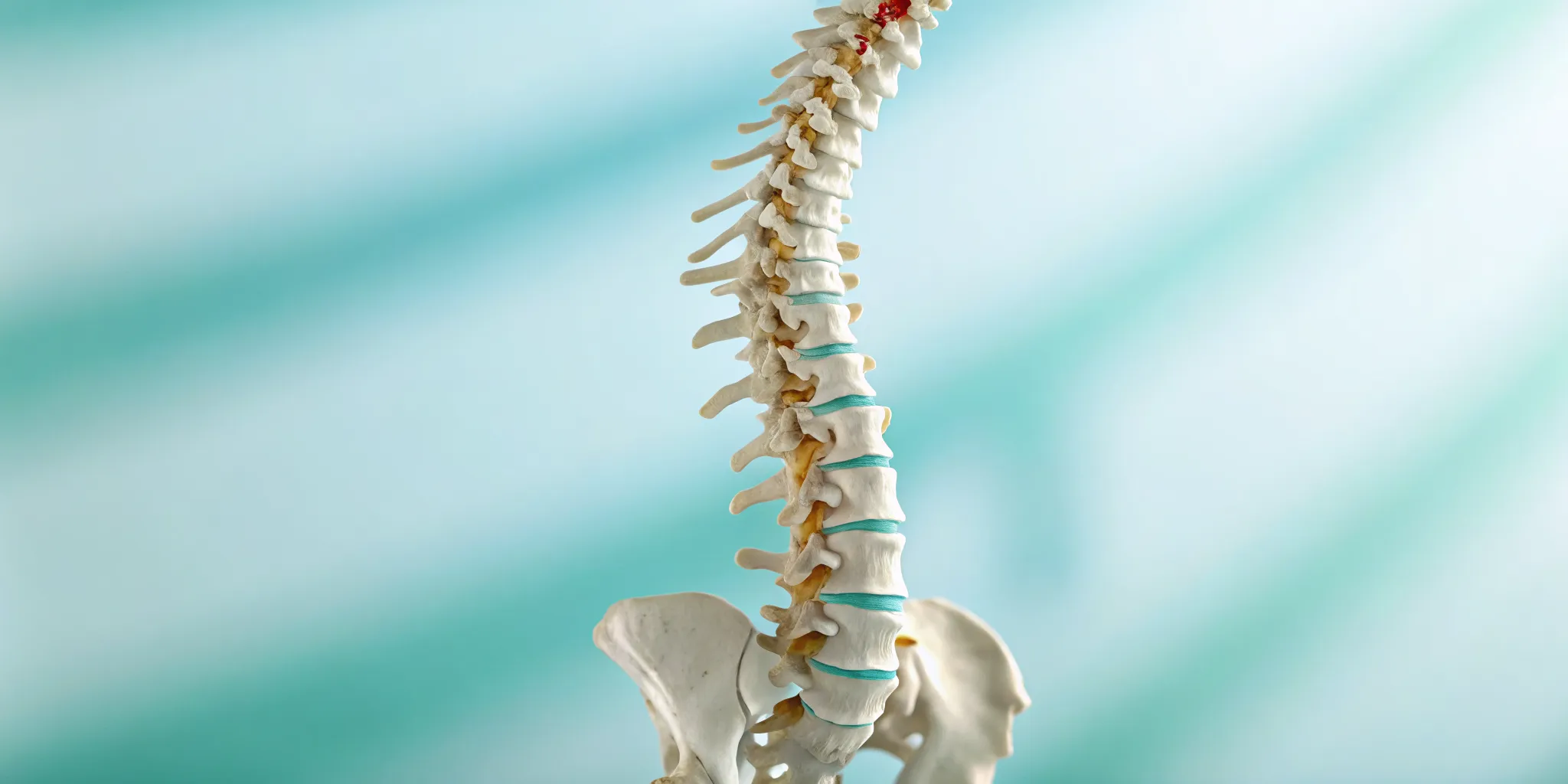
Your spine is made of vertebrae stacked on top of each other, with soft, spongy discs in between that act as shock absorbers. As you age, these intervertebral discs naturally start to lose water and shrink, becoming less flexible and less effective at cushioning your movements. This is the core of what we call degenerative change.
Several factors can speed up this process. While genetics play a role, so do lifestyle choices and physical stress. Things like smoking, carrying extra weight, or having a job that requires repetitive heavy lifting can put extra strain on your spine. A sudden injury from a fall or accident can also accelerate these changes, leading to symptoms earlier in life.
Is It Normal Aging or a Degenerative Disorder?
This is a fantastic question, and the answer is nuanced. The physical changes of spinal degeneration are incredibly common and are considered a normal part of aging. In fact, studies show that the vast majority of adults over 60 have some signs of disc degeneration on an MRI, but many of them feel perfectly fine and have no pain at all.
The distinction comes down to symptoms. It’s one thing for your spine to show signs of wear, but it’s another for that wear to cause chronic pain, weakness, or stiffness that interferes with your daily life. When symptoms appear, we consider it a disorder that needs attention. The experienced spinal wellness team at DRX Chicago understands this difference and focuses on treating your pain, not just what an X-ray shows.
Common Types of Spinal Degenerative Disorders
“Spinal degenerative disorder” sounds serious, but it’s really an umbrella term for several conditions that affect the spine as it ages. Think of it like wear and tear on your body’s primary support structure. While some changes are a normal part of getting older, these specific disorders can cause pain, stiffness, and other symptoms that interfere with your life. Understanding what’s happening in your spine is the first step toward finding relief. Let’s look at some of the most common types.
Degenerative Disc Disease (DDD)
Degenerative disc disease is one of the most common sources of back and neck pain. It happens when the soft, rubbery discs that act as cushions between your vertebrae begin to break down. As these discs lose moisture and shrink, the bones can get closer together, leading to pain, nerve irritation, and stiffness. While the name sounds alarming, it’s not technically a disease but rather a condition that develops over time. Many people with DDD find that their pain flares up with certain activities but can be managed effectively with the right care for their specific spinal conditions.
Spinal Osteoarthritis
You’ve likely heard of osteoarthritis in the knees or hips, and it can happen in your spine, too. Spinal osteoarthritis is arthritis that affects the small facet joints that connect your vertebrae, allowing your back to bend and twist. Over time, the cartilage that covers these joints can wear away. Without that smooth surface, the bones can rub against each other, causing inflammation, stiffness, and pain. This condition is a frequent result of the natural aging process and is a common degenerative issue we see in patients.
Spinal Stenosis
Spinal stenosis is a condition characterized by the narrowing of the spinal canal, the hollow passage in your spine that holds your spinal cord and nerves. When this canal becomes too narrow, it can put pressure on those delicate nerves. This pressure can lead to symptoms like pain, numbness, tingling, or weakness, often in the legs and lower back (lumbar stenosis) or neck and arms (cervical stenosis). It’s often caused by other degenerative changes, like bone spurs or herniated discs that push into the spinal canal’s space.
Bone Spurs (Osteophytes)
Bone spurs, also known as osteophytes, are small, smooth projections of bone that can form along the edges of your vertebrae. They often develop as your body’s response to other spinal problems, like degenerative disc disease or osteoarthritis. As a disc collapses or a joint becomes unstable, your body may try to stabilize the area by growing extra bone. While many bone spurs cause no symptoms at all, they can sometimes press on nearby nerves or the spinal cord, leading to pain and restricting movement.
What Are the Symptoms of a Spinal Disorder?
Recognizing the signs of a spinal disorder is the first step toward finding relief. These conditions often develop gradually, and you might dismiss the early symptoms as normal aches and pains. But when do those aches and pains point to something more? If you’re experiencing discomfort that disrupts your daily life, it’s worth paying attention to your body’s signals. Common symptoms can range from localized pain to sensations that travel into your arms and legs. Understanding these signs can help you know when it’s time to seek professional care for your spine.
Persistent Back and Neck Pain
A key indicator of a spinal disorder is chronic or recurring pain in your back and neck. This isn’t the temporary soreness you feel after a tough workout; it’s a persistent ache that sticks around. You might notice the pain gets worse when you’re sitting for long periods, bending over to tie your shoes, or lifting groceries. This type of pain that flares up with certain activities often points to underlying issues with the spine that need to be addressed. Ignoring it can lead to more significant problems, so it’s important to listen when your body is sending these consistent pain signals.
Numbness, Tingling, or Weakness
Have you ever felt that “pins and needles” sensation in your arms or legs for no apparent reason? Or maybe you’ve noticed a strange weakness when trying to grip something? These feelings of numbness, tingling, or weakness can be unsettling, and they are often connected to your spinal health. These sensations are frequently caused by pinched nerves in the spine, where a disc or bone is pressing on a nerve root. This pressure can interrupt the nerve’s signals, leading to symptoms in your limbs that can affect your ability to perform everyday tasks and diminish your quality of life.
Stiffness and Reduced Flexibility
If you feel like the Tin Man every morning, struggling with a stiff neck or lower back, it could be a symptom of a spinal degenerative disorder. This isn’t just about feeling less limber than you used to. It’s a noticeable reduction in your spine’s range of motion that can make simple movements, like turning your head to check a blind spot, feel difficult or even painful. This stiffness is a common sign of degenerative spine disease, where the components of your spine have started to break down, limiting your ability to move freely and comfortably.
When to See a Doctor About Your Symptoms
It’s one thing to have a sore back for a day or two, but it’s another to live with pain for weeks or months. You should consult a doctor if your pain becomes chronic and starts to limit your daily activities. A major red flag is pain that spreads. If you experience shooting pain, tingling, or numbness that radiates from your back down into your legs (like with sciatica) or from your neck into your arms, it’s a clear sign that a nerve may be involved. Don’t wait for the pain to become unbearable. Speaking with a professional, like the spinal wellness team at DRX Chicago, can help you get an accurate diagnosis and start on a path to relief.
What Causes Spinal Degeneration?
Understanding what causes spinal degeneration is the first step toward finding relief. While it’s often a complex mix of factors, most causes fall into three main categories: the natural aging process, your genetic predispositions, and the lifestyle you lead. It’s rarely just one thing, but rather a combination of these elements over time that contributes to changes in your spine. Recognizing these factors can help you have a more productive conversation with your doctor about your symptoms and potential treatment paths.
Age-Related Wear and Tear
Spinal degeneration is often called a “wear-and-tear” condition, and for good reason. Over the years, the daily demands we place on our bodies can cause gradual changes in the spine. The soft, cushiony discs between your vertebrae can lose moisture and shrink, and the joints can become worn. This is a natural part of the aging process for many people. As these structures break down, you might start to feel back or neck pain, stiffness, or even nerve-related conditions like tingling or numbness. While it’s a common process, the pain it causes is very real and can significantly impact your quality of life. Understanding this helps you focus on managing symptoms and supporting your spinal health as you age.
Genetics and Family History
You might have heard the saying, “It runs in the family,” and when it comes to spinal health, there’s some truth to that. Your genetic makeup can influence the structure and resilience of your spinal discs and joints. If your parents or other close relatives have dealt with back problems or degenerative spine conditions, you may have a higher predisposition to them as well. This doesn’t mean you’re destined for pain, but it is a key piece of your health puzzle. Knowing your family history gives you a head start. It allows you to be more proactive and have more informed conversations with your doctor about your personal risk factors. The spinal therapy chiropractors at our clinic understand that every patient’s story is unique, including their genetic background.
Lifestyle and Occupational Risks
While you can’t change your age or your genes, certain lifestyle and work-related factors can speed up spinal degeneration. Things like smoking can hinder blood flow, preventing your spinal discs from getting the nutrients they need to stay healthy. Carrying extra weight puts continuous stress on your lower back. Your job might also play a role, especially if it involves repetitive twisting, bending, or heavy lifting. Even a single traumatic event, like a fall or a car accident, can cause injuries that set the stage for future problems. The good news is that many of these are factors you can influence. Making small, positive changes in your daily habits can make a big difference in protecting your spine for the long haul.
Getting a Diagnosis: What to Expect
If you’re dealing with persistent back or neck pain, the thought of figuring out the cause can feel overwhelming. But getting a clear diagnosis is the most important first step toward finding relief. The process is more straightforward than you might think, and it’s a partnership between you and your doctor. Together, you’ll work to uncover the root of your discomfort by combining your personal experience with medical expertise. This creates a clear path forward. A thorough diagnosis from a trusted spinal therapy team ensures you get the right treatment for your specific needs, rather than a one-size-fits-all approach. Understanding what’s happening in your body empowers you to make informed decisions about your health and finally start on the road to recovery.
Your Medical History and Physical Exam
Your first appointment will start with a conversation. Your doctor will want to hear your story, so they’ll ask about your symptoms, when they started, what makes them better or worse, and any past injuries or health issues. This medical history review helps them understand the full context of what you’re experiencing. Next, they will perform a physical exam. This involves checking your reflexes, muscle strength, and range of motion to see how your body is moving and where the pain might be originating. This hands-on evaluation is a crucial step in pinpointing the problem area.
Using Imaging Tests to See the Full Picture
While a physical exam provides valuable clues, your doctor may need to see what’s happening inside your spine. Imaging tests like X-rays or MRIs are often used to get a complete picture. An X-ray is great for looking at bones, while an MRI provides a detailed view of soft tissues like your spinal discs, nerves, and ligaments. These tests are essential for confirming specific conditions like a herniated disc or spinal stenosis. Seeing the exact state of your spine helps your doctor make an accurate diagnosis and develop the most effective treatment plan for you.
Finding Relief: Your Treatment Options
When you’re dealing with the persistent pain of a spinal disorder, finding the right treatment can feel overwhelming. The good news is that there are many effective paths to relief, and the journey almost always begins with gentle, conservative approaches. Your doctor will work with you to create a plan that addresses your specific symptoms and the underlying cause of your pain, starting with the least invasive options first. The goal is to reduce your pain and get you back to doing the things you love.
Starting with Conservative Care
Before considering more intensive treatments, your doctor will likely recommend conservative care. This is the standard first step and often involves a combination of strategies you can manage at home. These might include short periods of rest, modifying activities that worsen your pain, and using over-the-counter anti-inflammatory medications. The idea is to give your body a chance to heal and to reduce inflammation that contributes to your discomfort. Your physician will use your medical history, a physical exam, and imaging tests to guide these initial recommendations, aiming to reduce pain and restore function without immediately resorting to invasive procedures.
Physical Therapy and Chiropractic Adjustments
If conservative home care isn’t enough, physical therapy and chiropractic adjustments are excellent next steps. These treatments go beyond masking symptoms to address the structural issues in your spine. A physical therapist can guide you through specific exercises to strengthen the muscles supporting your spine, which improves stability and reduces strain on your discs. Similarly, chiropractic care can significantly improve mobility by using targeted spinal manipulations. These adjustments help realign your vertebrae, which can relieve pressure on nerves and discs. Our experienced spinal wellness chiropractic team specializes in techniques that can alleviate the pain associated with degenerative spinal conditions.
A Non-Surgical Solution: DRX9000 Spinal Decompression
For those who need more significant relief without surgery, non-surgical spinal decompression offers a powerful alternative. At DRX Chicago, we use the DRX9000 system, a cutting-edge, FDA-cleared technology designed to treat chronic back pain and various spinal conditions. This therapy works by gently and precisely stretching the spine. This process creates a negative pressure within the targeted disc, which can help retract bulging or herniated material and draw in a healing combination of water, oxygen, and nutrients. It’s a comfortable, non-invasive treatment that directly addresses the source of your pain. You can learn more about how the DRX9000 works on our site.
When Is Surgery Recommended?
Surgery is typically considered a last resort for spinal degenerative disorders. Your doctor might recommend a surgical consultation if you’ve tried several conservative treatments for many months without finding relief. Surgery may also become a more immediate option if you are experiencing severe nerve damage, such as significant muscle weakness or loss of bladder or bowel control. Common surgical procedures include spinal fusion, where vertebrae are fused together to eliminate painful motion, or a laminectomy, which involves removing bone to create more space for the spinal cord and nerves. These are major procedures, which is why most treatment plans focus on effective, non-surgical options first.
Can You Prevent Spinal Degeneration?
It’s a common misconception that back pain and stiffness are just a normal part of getting older that you have to accept. While it’s true that our spines change over time, you have more power than you think to influence how they age. Think of it less as an inevitable decline and more as a process you can manage. By making conscious choices and building healthy habits, you can protect your spinal health for years to come. This can potentially slow the progression of degenerative conditions and keep pain from taking over your life.
Proactive Habits for a Healthy Spine
You can take an active role in protecting your spine, and it starts with simple, consistent habits. Maintaining a healthy weight is one of the best things you can do, as it reduces the daily load on your spinal discs and joints. Regular, low-impact activities like walking, swimming, or gentle yoga are fantastic for building strength and flexibility without adding strain. These exercises support the muscles that hold your spine in place. When you do feel sore, using hot and cold therapy can provide relief. The key is to stay active and listen to your body, focusing on movements that make you feel strong and supported.
Everyday Habits to Avoid for Spinal Health
Just as important as adopting good habits is ditching the ones that work against your spinal health. Many of us unknowingly contribute to wear and tear through our daily routines. A sedentary lifestyle is a major culprit; sitting for long periods without breaks puts a lot of pressure on your lower back. Other habits that can speed up degeneration include smoking, which can reduce blood flow to your discs, and consistently poor posture. Even things like long-term stress and not getting enough sleep can have an impact. Taking a moment to check in with your body, stand up and stretch, and learn proper lifting techniques can prevent many common work-related injuries and protect your spine from unnecessary strain.
Your Next Step Toward a Pain-Free Life in Chicago
Living with the persistent pain of a spinal degenerative disorder can feel isolating, but you don’t have to accept it as your new normal. If you’re in the Chicago area, you have access to advanced, non-surgical treatments that can help you find lasting relief and get back to the life you love. Instead of immediately considering invasive procedures, it’s worth exploring effective, modern therapies designed to address the root cause of your pain. The first step is simply understanding what options are available to you.
Many people find significant relief through non-invasive spinal decompression. At DRX Chicago, we specialize in this approach using the DRX9000 system, an FDA-cleared technology designed to gently relieve pressure on your spinal discs and nerves. This therapy creates a negative pressure within the disc, which can help retract bulging or herniated material and encourage the flow of healing nutrients to the area. You can learn more about how it works and why it’s a trusted alternative for conditions like degenerative disc disease and sciatica.
Of course, the right technology is only as effective as the team behind it. A successful treatment plan starts with an accurate diagnosis and a personalized approach from experienced professionals who truly listen to your concerns. Our spinal wellness chiropractic team is dedicated to creating a plan tailored to your specific condition and goals. If you’re ready to move past the pain, we invite you to schedule a consultation. We can help you determine the cause of your symptoms and see if you are a candidate for non-surgical spinal decompression.
Frequently Asked Questions
If my MRI shows spinal degeneration but I don’t have pain, do I need treatment? This is a great question, and the short answer is usually no. It’s incredibly common for imaging tests to show signs of age-related wear and tear in the spine, even in people who feel perfectly fine. The diagnosis of a degenerative disorder really comes down to your symptoms. If you aren’t experiencing pain, stiffness, or nerve issues that interfere with your life, we typically don’t treat the findings on an MRI. We focus on treating the person, not the picture.
Is surgery my only option for serious back pain from a degenerative disorder? Absolutely not. In fact, surgery is almost always considered the last resort after you have explored other effective, less invasive options. Most treatment plans begin with conservative care, like physical therapy and chiropractic adjustments. For persistent pain, advanced non-surgical treatments like DRX9000 spinal decompression can provide significant relief by directly addressing the pressure on your discs and nerves without any incisions or long recovery times.
What’s the difference between degenerative disc disease and spinal osteoarthritis? It’s easy to get these two confused. Think of it this way: degenerative disc disease (DDD) involves the breakdown of the soft, cushiony discs that sit between your vertebrae. Spinal osteoarthritis, on the other hand, affects the small facet joints that connect your vertebrae and allow your spine to bend and twist. While both are forms of age-related wear and tear and can cause similar pain, they affect different parts of your spinal structure.
How does non-surgical spinal decompression actually work to relieve pain? Spinal decompression therapy works by gently and precisely stretching your spine. This careful stretching creates a negative pressure inside the targeted spinal disc. This vacuum-like effect can help pull a bulging or herniated disc back into place and away from any nerves it might be pressing on. It also helps draw a healthy supply of oxygen and nutrients into the disc, which supports its natural healing process.
I have a desk job. What’s the most important thing I can do to protect my spine? The most important thing you can do is to avoid staying in one position for too long. Your spine is designed to move. Set a reminder to get up, stretch, and walk around for a few minutes every hour. Also, pay attention to your posture and make sure your chair, desk, and monitor are set up to support a neutral spine position. These small, consistent habits can make a huge difference in preventing the strain that leads to long-term problems.