When sharp, radiating pain or a persistent, dull ache takes over your life, getting answers becomes your top priority. A quick search online often points to disc problems, but that’s where things can get murky. Is it a bulge? A herniation? A slipped disc? The labels can feel overwhelming, and it’s tough to know what they mean for you. The truth is, the specific sensations you’re feeling are important clues. By learning to identify the different bulging disc herniated disc symptoms, you can better understand your body and have a more informed conversation with your doctor about finding relief, especially with non-surgical options.
Key Takeaways
- A Bulge Stretches, a Herniation Tears: A bulging disc’s outer wall stretches but remains intact, often leading to gradual pain. A herniated disc involves a tear in that wall, allowing the inner gel to leak and directly irritate nerves, which explains the sudden, sharp symptoms.
- Symptoms Are Clues, Not a Diagnosis: Radiating pain, numbness, and weakness are all signs of nerve pressure, but they don’t tell the whole story. Since symptoms can overlap and many disc issues are painless, a professional evaluation is the only way to know for sure what’s happening in your spine.
- Non-Surgical Relief Is the Goal: Surgery is not the only path to feeling better. Effective, non-invasive treatments like spinal decompression and chiropractic care can provide significant relief. You can support your recovery by building core strength and practicing back-friendly habits for lasting results.
Bulging Disc vs. Herniated Disc: What’s the Difference?
If you’re dealing with back pain, you’ve probably heard the terms “bulging disc” and “herniated disc” used almost interchangeably. While they sound similar and can both cause a lot of discomfort, they are actually two different conditions. Understanding the distinction is the first step toward finding the right path to relief. Let’s break down what’s happening in your spine for each one and why knowing the difference is so important for your treatment plan.
How a Disc Bulges
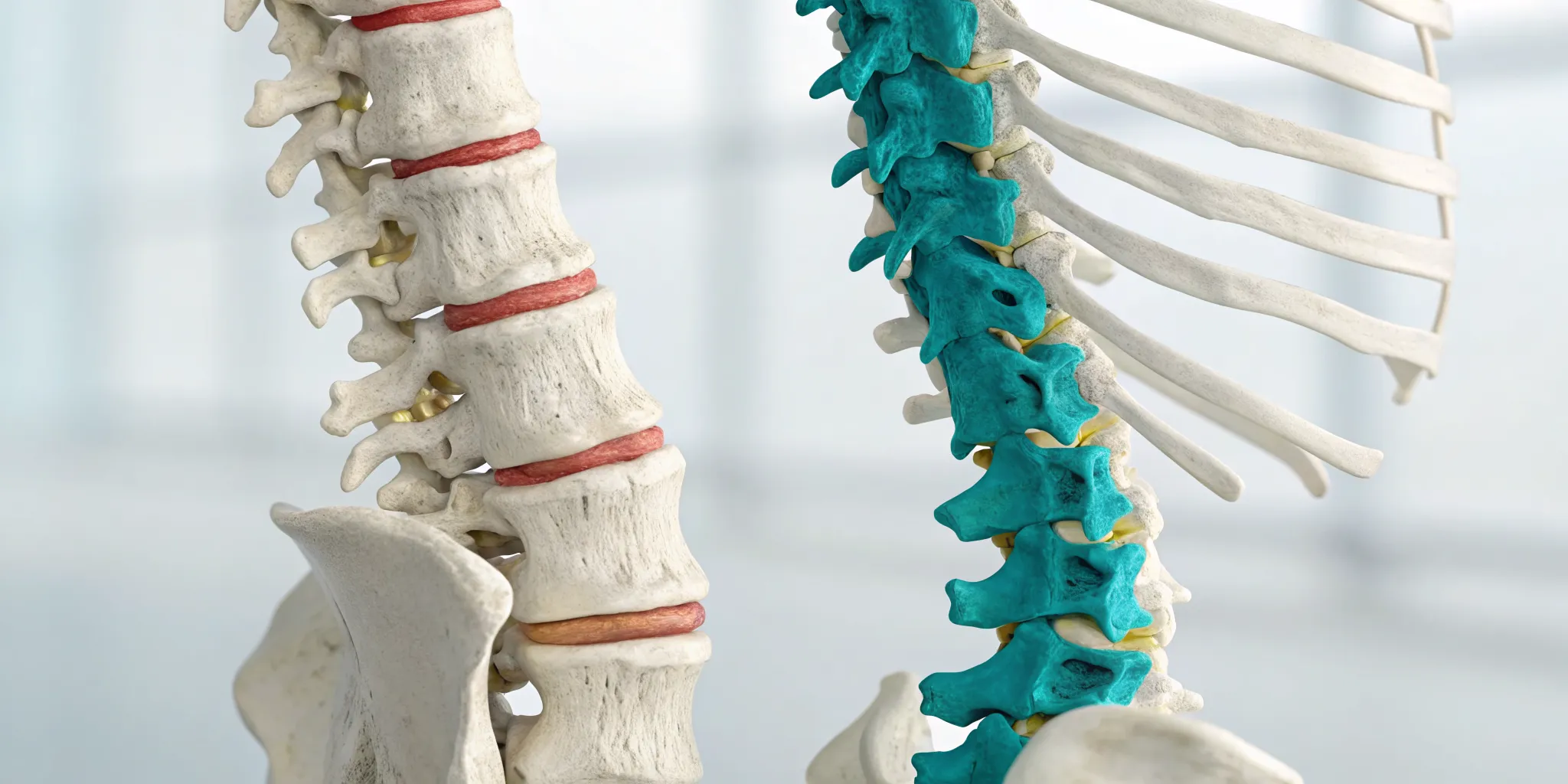
Think of the discs between your vertebrae as tiny, jelly-filled donuts that cushion your spine. A bulging disc happens when the tough outer layer of that donut weakens and stretches outward, kind of like a tire that’s a bit deflated and bulges on one side. The important thing to know is that the outer wall is still intact; the inner gel-like center hasn’t leaked out. This is often a gradual process that can happen with age. You might not even feel it, but if the bulge starts to press on a nearby nerve, you could experience one of several painful conditions.
How a Disc Herniates
A herniated disc, on the other hand, is a more dramatic event. Using our donut analogy, this is when the tough outer layer actually tears or ruptures, allowing some of the soft, jelly-like center to squeeze out. This is why it’s sometimes called a “ruptured” or “slipped” disc. A herniation is often the result of a sudden strain, like lifting something too heavy, or from a specific event like an auto or sports injury. Because the leaked material can directly irritate and inflame the surrounding nerves, the symptoms are usually more sudden and severe, causing sharp pain, weakness, or numbness that can be quite intense.
Why the Difference Matters for Your Treatment
So, why does this distinction matter so much? It all comes down to how we approach your healing. A herniated disc often causes more acute, inflammatory pain because the leaked inner material is a direct irritant to your nerves. A bulging disc might cause pain more slowly, as the disc gradually presses on a nerve root. Knowing the specific cause of your pain allows us to create a targeted treatment plan. The good news is that many people find relief without surgery. Gentle, non-invasive therapies like spinal decompression can be incredibly effective for both bulging and herniated discs by creating negative pressure to help retract the disc material and relieve pressure on your nerves.
What Are the Symptoms of a Bulging Disc?
Think of a bulging disc as a tire that’s a little low on air. It bulges out at the sides but hasn’t popped. Similarly, the soft, gel-like cushions between your vertebrae can weaken and bulge outward, often as a normal part of aging. The symptoms can be subtle and sometimes confusing, because they don’t always show up as straightforward back pain. The key is whether that bulge is pressing on a nearby nerve. Let’s walk through what that might feel like.
Where You’ll Feel a Bulging Disc
A bulging disc happens when the tough outer layer of a spinal disc weakens and stretches. The important thing to know is that the disc’s outer wall doesn’t tear, so the inner gel material stays contained. Because this process often happens slowly, your symptoms might be mild or develop gradually. You might feel a dull, aching pain directly in your neck or lower back. The pain is often localized to the area around the affected disc, but it only becomes a significant issue if the bulge starts to crowd the space around a spinal nerve, leading to irritation and other spinal conditions.
That “Pins and Needles” Feeling: Numbness and Tingling
If a bulging disc starts to press gently against a nerve, you might experience that strange “pins and needles” sensation. It’s similar to the feeling you get when your foot falls asleep. This tingling or numbness can occur in your arms and hands if the bulging disc is in your neck, or it can travel down your legs and into your feet if the disc is in your lower back. This happens because the nerve pathway is being slightly interrupted by the pressure from the disc. It’s often occasional and may come and go depending on your posture or activity level.
Can You Have a Bulging Disc and Not Know It?
Yes, it’s entirely possible, and actually quite common. Many people walk around with bulging discs and experience no symptoms at all. Because they often develop slowly over many years, your body can adapt without sending up any red flags. A bulging disc might only be discovered by chance during an MRI for a completely different issue. Symptoms only appear when the disc bulges enough to compress a nearby nerve root. This is why you can’t rely on pain alone to gauge your spinal health. Understanding how your spine works is the first step to protecting it, and our spinal wellness team is here to help with any questions you have.
What Are the Symptoms of a Herniated Disc?
A herniated disc often makes its presence known in a much more dramatic way than a bulging disc. While a bulging disc can be subtle, a herniation occurs when the disc’s inner, gel-like material actually leaks out through a tear in the outer layer. This leaked material can then directly press on and irritate the surrounding spinal nerves. This direct nerve contact is what causes the distinct and often severe symptoms associated with a herniated disc. The pain isn’t just a dull ache; it’s a clear, sharp signal from your body that something is wrong. It can feel sudden and alarming, sometimes happening after a specific event like lifting something heavy or a sudden twist. However, it can also develop over time.
Understanding these specific symptoms is the first step toward figuring out what’s happening in your body. It helps you communicate more effectively with your doctor and find the right path to relief. When you’re dealing with this level of discomfort, getting an accurate diagnosis from a team like the spinal wellness chiropractors at DRX Chicago is crucial for creating a targeted treatment plan that addresses the root cause of your pain, not just the symptoms.
The Telltale Sign: Sharp, Shooting Pain
The most common sign of a herniated disc is a sudden, sharp, and shooting pain. Many people describe it as a burning sensation or an electric jolt that stops them in their tracks. This isn’t the kind of dull ache you might get from a long day of sitting. Instead, it’s an intense pain that happens because the leaked material from the disc is inflaming and pressing on a nearby nerve root. This direct irritation is what makes the pain so severe and specific. These conditions can feel alarming, but understanding that the pain is a direct result of nerve irritation is the first step toward finding a solution.
Beyond the Back: Radiating Pain and Muscle Weakness
With a herniated disc, the pain rarely stays in one spot. It often travels along the path of the affected nerve, a symptom called radiculopathy. If the herniation is in your lower back, you might experience sciatica, which is a sharp pain that shoots from your back or buttock down one leg, sometimes reaching all the way to your foot. This can feel like an electric shock that gets worse when you stand, walk, or even sit. Along with the pain, you might also notice other strange sensations, like numbness, tingling, or even muscle weakness in your leg. These symptoms are clear signs that a nerve is being compressed by one of many possible injuries.
Neck vs. Lower Back: How Location Changes Symptoms
Where the herniated disc is located in your spine will completely change the symptoms you feel. If the disc is in your neck (the cervical spine), you’ll likely have pain that radiates into your shoulder and down your arm. You might also feel numbness or tingling in your hands and fingers, which can make simple tasks like buttoning a shirt feel difficult. On the other hand, a herniated disc in your lower back (the lumbar spine) is the classic cause of sciatica. This creates that sharp pain down one side of your buttock and leg. The location of your symptoms gives a clear map to the source of the problem, which is essential for creating an effective, non-surgical treatment plan like DRX9000 spinal decompression.
How Do Bulging and Herniated Disc Symptoms Compare?
If you’re trying to figure out whether you have a bulging or herniated disc, you’re not alone. It’s incredibly common to mix them up, and for good reason. Both of these conditions involve damage to the soft, cushion-like discs between your vertebrae. When that disc pushes out of place, it can press on the surrounding nerves, triggering pain that feels very similar, whether it’s a bulge or a herniation. Think of it as a case of mistaken identity happening inside your own back. The root cause is similar, and the resulting nerve pressure can create overlapping symptoms, making a self-diagnosis nearly impossible and professional guidance essential.
Why It’s So Easy to Confuse Them
It’s easy to confuse these two issues because they both stem from the same place: your spinal discs. Both bulging and herniated discs are types of spinal conditions that can put pressure on the nerves branching out from your spinal cord. This pressure is what causes the pain, numbness, or tingling you might feel. Because the mechanism of nerve irritation is similar, the symptoms can feel almost identical. Without a clear image of what’s happening to the disc itself, it’s tough to tell them apart based on symptoms alone. That’s why getting a professional opinion is so important for understanding the true source of your pain.
Key Differences to Look For
So, what’s the real difference? It comes down to how the disc is damaged. With a bulging disc, the disc flattens and protrudes outward, kind of like a hamburger patty that’s too big for its bun. The outer wall is stretched but remains intact. This pressure often builds slowly, and the symptoms can be mild or come and go. A herniated disc, on the other hand, is more dramatic. The disc’s tough outer layer actually tears, allowing the soft, gel-like center to leak out and press directly on a nerve. This usually causes more sudden and intense pain, numbness, or weakness. Understanding how your spine works helps make sense of why a small tear can cause such big problems.
Debunking Myths About Disc Pain
Here’s something that might surprise you: not all disc problems cause pain. It’s true. MRIs often show bulging or even herniated discs in people who have absolutely no back pain. Disc degeneration is also a natural part of getting older, much like getting gray hair, and it doesn’t automatically mean you’re in for a lifetime of pain. This is why it’s so important not to jump to conclusions based on what you read online. The only way to know for sure what’s causing your discomfort and what it means for you is to get a proper diagnosis from an experienced specialist. They can help you separate fact from fiction and find a path to relief.
How Do These Conditions Affect Daily Life?
When your back is in pain, it’s not just an isolated problem. Disc issues can have a ripple effect, touching nearly every part of your day. What starts as a dull ache can quickly change how you move, work, and even rest. The constant discomfort can be draining, both physically and mentally, making it hard to enjoy the activities you love. Understanding how these conditions can impact your daily routine is the first step toward finding a path back to feeling like yourself again.
How Disc Pain Disrupts Simple Movements
It’s easy to take simple movements for granted until they start to hurt. With a bulging or herniated disc, an action as simple as bending over to tie your shoes or reaching for something on a high shelf can trigger a sharp, unwelcome pain. You might feel a persistent ache or stiffness that makes it hard to get comfortable in any position. If the disc presses on a nerve, that discomfort can evolve into pain that radiates into your arms or legs, or a frustrating tingling and numbness. Suddenly, you’re thinking twice about every move you make, which can be an incredibly limiting way to live.
The Impact on Your Work, Sleep, and Fitness
Disc pain doesn’t clock out when you do. If you have a desk job, sitting for hours can become unbearable. If your work is more physical, the pain can make it impossible to perform your duties safely. This discomfort often follows you home, disrupting your sleep and leaving you tired and irritable. When a condition like sciatica sends pain shooting down your leg, even a simple cough or sneeze can cause a jolt of agony. This can make you hesitant to engage in workouts or hobbies, creating a cycle of inactivity that only makes you feel worse.
Why Ignoring the Pain Can Make It Worse
It’s tempting to try and push through the pain, hoping it will just go away on its own. But ignoring the signals your body is sending can allow the problem to progress. An untreated disc issue can worsen over time, leading to more persistent pain and even a loss of sensation or control in the affected limbs. While most disc-related pain can be managed with non-surgical care, it’s important to listen to your body. If you experience severe pain, significant weakness in an arm or leg, or any loss of bladder or bowel control, you should seek medical help immediately. For persistent discomfort, consulting with our team of specialists can help you get an accurate diagnosis and a treatment plan that works for you.
When Should You See a Doctor for Disc Symptoms?
It can be tough to know when back pain is just a temporary ache versus a sign of something more serious. While many disc-related issues can be managed with conservative care, certain symptoms are your body’s way of sounding a major alarm. Listening to these signals and knowing when to seek professional help is crucial for preventing long-term damage and getting on the right path to recovery. If your pain is persistent, severe, or accompanied by other concerning symptoms, it’s time to stop guessing and get a clear diagnosis. Our award-winning team is here to help you understand your symptoms and find the right treatment plan.
Warning Signs You Shouldn’t Ignore
Some symptoms are too serious to wait out. If you experience a sudden loss of bladder or bowel control, seek emergency medical care immediately. The same goes for numbness in the areas that would touch a saddle (your groin, buttocks, and inner thighs), which is sometimes called “saddle anesthesia.” These are signs of a rare but serious condition that requires urgent treatment. Other red flags include sudden, severe weakness in your arms or legs or a loss of coordination. While less urgent, you should also schedule a doctor’s visit if your pain lasts for more than a few weeks, or if you have persistent tingling, numbness, or weakness in your limbs that interferes with your ability to walk or sit comfortably. These could indicate serious nerve damage that needs prompt attention.
What to Expect at Your Appointment
Walking into a doctor’s office for back pain can feel intimidating, but knowing what to expect can make the process smoother. Your appointment will likely start with a conversation. Your doctor will want to know about your symptoms, when they started, and your medical history. Next comes a physical exam, where your doctor will test your reflexes, muscle strength, and range of motion to see how the pain is affecting your body. Based on these findings, they might recommend imaging tests to get a clearer picture. An MRI is often used because it’s excellent for viewing soft tissues like spinal discs and nerves. X-rays might also be used to rule out other issues. This thorough evaluation helps create a precise diagnosis, which is the first step toward effective relief.
Finding Relief Without Surgery
If you’re dealing with the pain of a bulging or herniated disc, the thought of surgery can be intimidating. The good news is that it’s often not the first or only option. In fact, research shows that most people find significant relief with non-surgical treatments. The goal is to start with conservative, effective methods that address the root of the problem without the risks and long recovery times associated with invasive procedures.
This approach focuses on relieving pressure, restoring function, and strengthening your body to prevent future issues. From targeted therapies that gently decompress the spine to hands-on adjustments and lifestyle changes, there are many powerful ways to get back to feeling like yourself. Let’s walk through some of the most effective non-surgical treatments available for disc-related pain.
Spinal Decompression Therapy
One of the most advanced non-surgical treatments for disc issues is spinal decompression therapy. If you picture a disc being squeezed between two vertebrae, this therapy does the opposite. It uses a specialized table to gently and precisely stretch your spine, creating a negative pressure within the disc. This vacuum effect can help draw the bulging or herniated material back into place and pull in a fresh supply of oxygen and nutrients to promote healing.
It’s a comfortable and relaxing process that targets the specific spinal segment causing your pain. For many people experiencing sciatica or radiating leg pain from a disc issue, spinal decompression offers a path to relief that was once only possible through more aggressive means.
Chiropractic Care
Chiropractic care is a cornerstone of conservative treatment for spinal health. When a disc is bulging or herniated, it’s often because the spine isn’t moving as it should. A chiropractor uses precise, gentle adjustments to restore proper motion to the spinal joints. This can take pressure off the affected nerves and discs, reducing pain and inflammation.
Think of it as getting your spine back in alignment so your body can function correctly. A skilled chiropractic team will create a treatment plan tailored to your specific condition, helping to improve your overall spinal mechanics and reduce the strain that contributed to the disc problem in the first place. It’s a hands-on approach focused on helping your body heal itself.
Physical Therapy and Lifestyle Changes
While treatments like spinal decompression and chiropractic care are fantastic for providing relief, what you do outside the clinic is just as important for long-term success. This is where physical therapy and simple lifestyle changes come in. A physical therapist can guide you through specific exercises to strengthen your core muscles, which act as a natural brace for your spine.
They can also teach you how to maintain proper posture and move in ways that protect your back from further injury. Simple habits, like lifting with your legs, staying active, and being mindful of your posture at your desk, make a huge difference. These proactive steps empower you to manage your spinal condition and build a stronger, more resilient back for the future.
How to Protect Your Spine and Reduce Your Risk
While it’s impossible to prevent every ache and pain, you have more power than you think when it comes to protecting your spine. Adopting a few key habits can significantly lower your risk of developing painful disc problems and support your long-term spinal health.
Build a Stronger Core and Better Posture
Think of your core muscles as a natural brace for your spine. When your abdominal and lower back muscles are strong, they take pressure off your spinal discs and help maintain stability. Regular exercises that strengthen your core are one of the best things you can do to prevent future injuries.
Good posture is just as important. Try to be mindful of your alignment whether you’re sitting, standing, or moving. Keep your shoulders back, your head held high over your spine, and your core gently engaged. This simple awareness helps distribute weight evenly, preventing the strain that can lead to disc issues over time.
Everyday Habits to Protect Your Back
Small, consistent changes in your daily routine can make a huge difference. Start by practicing proper lifting techniques: always bend at your knees and lift with your legs, not your back. Maintaining a healthy weight also reduces the constant load on your spine.
Make stretching a regular part of your day to stay flexible. If you sit at a desk, make sure your workspace is set up ergonomically to fit your body and support good posture. And while they might complete an outfit, try to avoid wearing high heels too often, as they can throw your spine out of alignment. These habits work together to protect your back from the daily wear and tear that can lead to painful conditions.
Frequently Asked Questions
Can I tell if I have a bulging or herniated disc on my own? That’s a great question, and the short answer is probably not. While the blog post outlines some key differences, like the sudden pain of a herniation versus the slower onset of a bulge, the symptoms can overlap significantly. Both conditions can cause radiating pain, numbness, and weakness. The only way to know for sure what is happening in your spine is to get a professional diagnosis, which often involves a physical exam and sometimes imaging tests like an MRI.
If a bulging disc doesn’t always cause pain, do I need to do anything about it? Finding out you have a bulging disc that isn’t causing pain can feel like a free pass, but it’s better to see it as an early warning sign. A bulge indicates that a disc is under stress and has weakened. This is a perfect opportunity to be proactive. Focusing on things like core-strengthening exercises, improving your posture, and using proper lifting techniques can help prevent the bulge from worsening and becoming a painful problem down the road.
Can a bulging disc turn into a herniated disc? Yes, it’s possible for a bulging disc to progress into a herniated one. A bulging disc means the outer wall is stretched and weakened. If that weakened wall is put under enough additional strain, perhaps from a sudden twist or lifting something heavy, it can tear. This tear allows the inner gel-like material to leak out, which is the definition of a herniation. This is why addressing the root causes of a bulging disc is so important for your long-term spinal health.
What does spinal decompression therapy feel like? Is it painful? Most people find spinal decompression therapy to be quite gentle and relaxing. It is not a painful procedure. You’ll be comfortably secured to a specialized table that is programmed to create a very slow and controlled stretching motion in your spine. You will feel a light pulling sensation in your back or neck as the machine works to create negative pressure in your discs. Many patients even find the sessions so comfortable that they fall asleep.
Is surgery the only way to fix a herniated disc? Absolutely not. Surgery is rarely the first option for a herniated disc and is usually considered a last resort. The vast majority of people find significant, lasting relief through conservative, non-invasive treatments. Therapies like spinal decompression, chiropractic adjustments, and targeted physical therapy are all highly effective at reducing pressure on the nerve, managing pain, and helping the body heal itself without the risks and recovery time associated with surgery.