That persistent ache in your neck, the stiffness that makes turning your head a chore, or that strange tingling that runs down your arm—these aren’t just minor annoyances to be ignored. They can be your body’s way of signaling a deeper issue. While many things can cause neck pain, these specific symptoms can point to a condition called cervical spondylolisthesis. This happens when a vertebra in your neck slips out of its proper alignment, putting pressure on the surrounding nerves. Getting a name for your pain is the first step toward a solution. This guide will help you understand what this diagnosis means and what you can do about it.
Key Takeaways
- Understand the underlying issue: Cervical spondylolisthesis is the clinical term for a vertebra in your neck slipping out of place. This misalignment can pinch nerves, causing pain, and often stems from either gradual, age-related changes or a specific neck injury.
- Listen to your body’s signals: Beyond simple neck stiffness, pay attention to symptoms that travel down your arm, such as pain, numbness, or weakness. These are important signs of nerve compression that warrant a professional diagnosis.
- Explore non-surgical solutions first: Surgery is rarely the initial recommendation. Most cases can be managed effectively with conservative treatments like non-surgical spinal decompression, chiropractic care, and physical therapy, which work to relieve pressure and stabilize your spine.
What Is Cervical Spondylolisthesis?
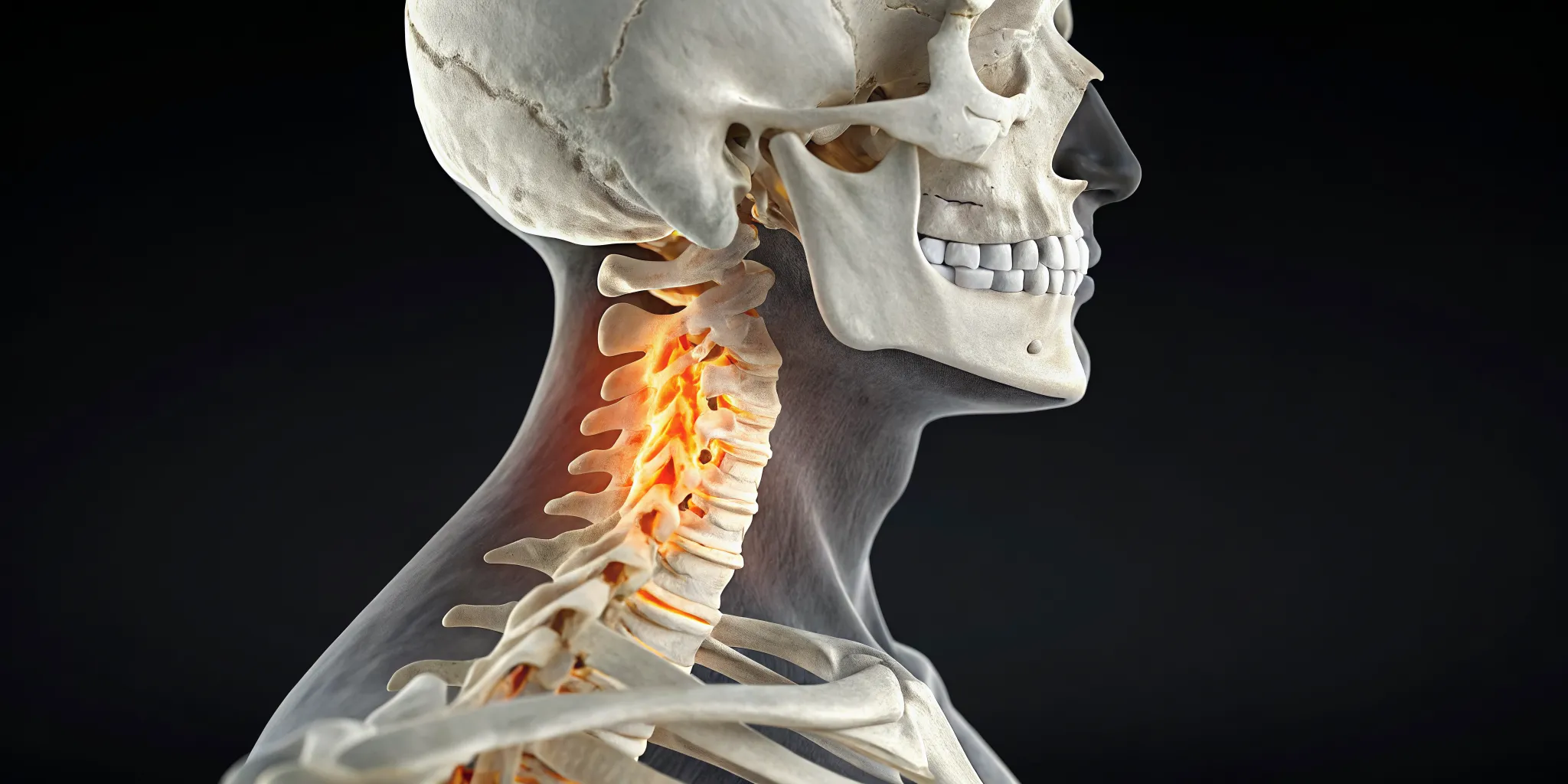
If you’re dealing with persistent neck pain, you might have come across the term “cervical spondylolisthesis.” It sounds complicated, but the concept is fairly straightforward. Essentially, it’s a condition where one of the seven vertebrae in your neck, which make up your cervical spine, slips forward or backward over the one below it. Think of your spine as a stack of building blocks; in this case, one of the blocks has shifted out of place.
This misalignment isn’t just a minor issue. When a vertebra moves, it can narrow the spinal canal and put pressure on the spinal cord and the delicate nerves that exit the spine. This pressure is what leads to the pain and other symptoms associated with the condition. While the idea of a slipped bone in your neck can be unsettling, understanding what’s happening is the first step toward finding the right treatment. Many effective, non-surgical options are available to manage pain and improve your quality of life, which is why getting an accurate diagnosis for spinal conditions like this is so important.
How a Slipped Vertebra Affects Your Neck
When a cervical vertebra slips, it can disrupt the entire structure of your neck. This misalignment can put direct pressure on the spinal cord or pinch the nerve roots that branch out to your shoulders, arms, and hands. This nerve pressure, known as cervical radiculopathy, is the source of many telltale symptoms.
You might feel a sharp or burning pain that travels from your neck down your arm, or experience numbness and a “pins and needles” sensation in your fingers. Some people also notice muscle weakness in their arms, making it difficult to grip objects, or even muscle spasms in the neck and shoulders. In some cases, it can also affect your coordination, making everyday tasks feel clumsy.
Cervical vs. Lumbar Spondylolisthesis
You may have heard of spondylolisthesis in the lower back, which is called lumbar spondylolisthesis. The cervical version, affecting the neck, is much less common but just as significant. While both conditions involve a slipped vertebra, their causes and symptoms can differ due to their location. The neck is a more delicate and mobile area, so even a small slip can have a noticeable impact.
Lumbar spondylolisthesis is often linked to mechanical stress over time, but the cervical type is frequently caused by age-related degeneration of the spinal discs and joints. It can also result from specific trauma, like whiplash from an auto accident or other neck injuries. In some rare cases, it can be due to a defect in the spine that has been present since birth.
Understanding the Grades of Slippage
When doctors diagnose cervical spondylolisthesis, they classify its severity using a grading system. This helps them understand how far the vertebra has slipped and determine the best course of action. The most common method is the Meyerding Grading System, which categorizes the slip based on the percentage of displacement.
It’s broken down into five grades:
- Grade I: A slip of 1% to 24%
- Grade II: A slip of 25% to 49%
- Grade III: A slip of 50% to 74%
- Grade IV: A slip of 75% to 99%
- Grade V: The vertebra has completely slipped off the one below it (spondyloptosis)
Most cases are Grade I or II and can often be managed effectively with non-surgical treatments. Knowing the grade of your slip can help you and your doctor have a clear conversation about your condition and treatment plan.
What Causes Cervical Spondylolisthesis?
Understanding why a vertebra in your neck might slip out of place is the first step toward finding the right solution. It’s not always one single event; often, it’s a combination of factors that contribute to the instability in your cervical spine. The most common culprits are the natural aging process, a sudden injury, or in some rare cases, a structural issue that has been present since birth. Pinpointing the root cause is key to developing an effective treatment plan that addresses your specific situation and helps you get back to feeling like yourself. Let’s look at each of these causes more closely.
Age-Related Wear and Tear
For many people, cervical spondylolisthesis develops as a natural result of the spine changing over time. Think of it like the tread on a tire wearing down after years of use. As we age, the rubbery discs that cushion our vertebrae and the small facet joints that guide their movement can begin to degenerate from osteoarthritis. This wear and tear can weaken these structures, making them less able to keep the vertebrae securely aligned. When a disc thins out or a joint becomes arthritic, it can create just enough instability for one vertebra to slip forward over the one below it, leading to the pain and stiffness associated with the condition.
Trauma and Neck Injuries
In contrast to the slow, gradual process of aging, a sudden and forceful event can also cause a vertebra to slip. This is often the case for people who have experienced specific neck injuries. A car accident, a hard fall, or a high-impact sports collision can cause a fracture in a part of the vertebra called the pars interarticularis. This fracture essentially breaks the connection that helps hold the vertebra in place, creating an instability that allows it to slide forward. While the initial injury might be painful, the symptoms of the slippage itself may develop over time as the spine settles into its new, improper alignment.
Factors Present from Birth
In some rare instances, the predisposition for cervical spondylolisthesis is something a person is born with. This is known as congenital spondylolisthesis. It occurs when there is a defect in the way the cervical vertebrae formed in the womb, creating a weak spot in the bone. This condition, sometimes called spondylolytic spondylolisthesis of the cervical spine, means the vertebra is structurally prone to slipping forward. It’s important to know that this isn’t caused by an injury or anything you did; it’s simply a structural anomaly that makes the spine more vulnerable to instability over time.
Common Risk Factors
While anyone can develop this condition, certain factors can increase your risk. Age is the most significant one, as the cumulative effects of daily life naturally lead to wear and tear on the spine. Older adults are simply more likely to have the degenerative changes that can lead to a slip. Additionally, athletes are another high-risk group, particularly those in sports that put repeated stress on the neck and back, like gymnastics, weightlifting, or football. The repetitive hyperextension and impact can accelerate wear or even cause stress fractures that lead to instability. Understanding these risks can help you and your spinal wellness team take proactive steps for your spinal health.
What Are the Symptoms of Cervical Spondylolisthesis?
Recognizing the symptoms of cervical spondylolisthesis is the first step toward finding relief. Because this condition involves a vertebra in your neck slipping out of place, the symptoms can range from a nagging ache to more serious neurological issues. The specific symptoms you experience often depend on which vertebra has slipped and how much pressure it’s putting on the surrounding nerves or the spinal cord itself.
Some people might only have mild, intermittent pain, while others deal with constant discomfort that disrupts their daily lives. The key is to listen to your body. Understanding what these symptoms feel like can help you have a more productive conversation with a healthcare professional and get on the right path to an accurate diagnosis. Below, we’ll walk through the most common signs, from localized neck pain to symptoms that travel into your arms.
Persistent Neck Pain and Stiffness
The most common and straightforward symptom of cervical spondylolisthesis is pain right in your neck. When a vertebra shifts, it can strain the surrounding muscles, ligaments, and joints, leading to persistent discomfort. This isn’t just the occasional “slept on it wrong” kind of pain; it’s often a chronic ache that lingers. You might also notice significant stiffness, making it difficult or painful to turn your head from side to side or to look up and down.
This pain can feel like a dull, constant throb or a sharp, localized pain that worsens with certain movements. For many, the stiffness is most pronounced in the morning or after long periods of inactivity. These are some of the primary conditions we evaluate at our clinic, as they are clear signs that something in your cervical spine needs attention.
Radiating Arm Pain, Numbness, or Tingling
If the slipped vertebra starts to press on a nerve root exiting your spinal column, you may feel symptoms that travel far beyond your neck. This is known as cervical radiculopathy. The pressure on the nerve can cause sharp, shooting pain that radiates down your shoulder, through your arm, and into your hand and fingers. It’s often described as feeling like an electric shock.
Along with the pain, you might experience numbness, weakness, or a “pins and needles” sensation in your arm or hand. This can make simple tasks like gripping a coffee mug or typing on a keyboard feel difficult or strange. These symptoms are a sign of nerve compression, which can stem from various spinal injuries or degenerative changes, and they shouldn’t be ignored.
Neurological Red Flags to Watch For
While most symptoms are manageable, some indicate more severe pressure on the spinal cord, a condition called myelopathy. These are “red flag” symptoms that require immediate medical evaluation. If you experience a sudden loss of coordination, have trouble with your balance, or find yourself stumbling while walking, it could be a sign of spinal cord compression.
Other serious warnings include numbness or weakness that affects both of your arms or legs, or a loss of bowel or bladder control. According to Johns Hopkins Medicine, these symptoms warrant seeing a doctor right away. If you notice any of these signs, it’s critical to seek prompt medical care from a qualified professional, like the experienced spinal wellness team at DRX Chicago.
When Your Symptoms Point to Something Else
Neck pain is incredibly common, and not every ache points to spondylolisthesis. Symptoms like neck stiffness and radiating arm pain can also be caused by other issues, such as a herniated disc, spinal stenosis, or simple muscle strain. In fact, because the symptoms overlap with so many other conditions, getting an accurate diagnosis is essential.
A specialist can help differentiate between a minor strain and a more complex structural issue in your spine. This is why a thorough examination is so important. It ensures you are getting the right treatment for the right problem, which is the foundation of how our non-surgical approach works.
How Is Cervical Spondylolisthesis Diagnosed?
Getting to the root of your neck pain is the first step toward feeling better. If your doctor suspects cervical spondylolisthesis, they will use a careful, step-by-step process to confirm the diagnosis and understand the specifics of your condition. This isn’t a one-size-fits-all situation; a thorough evaluation is key to ruling out other issues and creating a treatment plan that’s right for you.
The diagnostic journey typically starts with a detailed conversation and a physical exam, followed by imaging tests to get a clear look at the structures in your neck. Think of it as putting together a puzzle. Each piece of information, from the symptoms you describe to the images of your spine, helps your doctor see the complete picture. Our spinal wellness team is dedicated to this detailed approach, ensuring we understand exactly what’s causing your discomfort before recommending a path forward. This process ensures that we can confidently identify the grade of the slippage and determine its impact on your nerves and spinal cord.
The Physical Examination Process
Your first appointment will start with a conversation. Be prepared to talk about your symptoms, when they started, what makes them better or worse, and your medical history. This discussion gives your doctor important clues. After you’ve talked, they will perform a physical exam. This involves checking your neck’s range of motion, testing your reflexes and muscle strength in your arms, and gently pressing on different areas to pinpoint sources of pain.
This hands-on assessment helps your doctor understand how the slipped vertebra might be affecting your body’s function. It’s a crucial step in differentiating cervical spondylolisthesis from other spinal conditions that can cause similar symptoms, like a simple muscle strain or a different type of disc issue.
A Closer Look with Imaging (X-Rays, MRI, and CT Scans)
While a physical exam provides a lot of information, imaging tests are needed to see exactly what’s happening inside your neck. Your doctor will likely start with an X-ray. They may even order special flexion-extension X-rays, where images are taken while you gently bend your neck forward and backward. This technique shows if the vertebra is unstable and moving more than it should.
If more detail is needed, an MRI or CT scan can provide a closer look at the soft tissues. An MRI is excellent for seeing if the slipped vertebra is pressing on the spinal cord or nerves. These scans give your doctor a comprehensive view, which is essential for planning effective, non-surgical treatments like DRX9000 therapy.
Why an Early and Accurate Diagnosis Matters
It can be tempting to ignore neck pain and hope it goes away, but getting an early and accurate diagnosis is incredibly important. Cervical spondylolisthesis can worsen over time if left untreated, potentially leading to more severe symptoms and nerve-related problems. Identifying the condition early gives you access to a wider range of effective, conservative treatment options.
Promptly diagnosing the issue, especially after any neck injuries, allows you to start managing symptoms and strengthening your neck before the slippage progresses. This proactive approach can help you find relief faster and may prevent the need for more invasive procedures in the future. The sooner you know what you’re dealing with, the sooner you can get on the path to recovery.
Finding Relief Without Surgery
Receiving a diagnosis like cervical spondylolisthesis can feel overwhelming, and your mind might immediately jump to the worst-case scenario: surgery. But for many people, surgery isn’t the first or only path to feeling better. A wide range of effective, non-invasive treatments can significantly reduce your pain, restore function, and improve your quality of life. The goal of these conservative approaches is to manage your symptoms and address the underlying mechanical issues in your neck without the risks and recovery time associated with a surgical procedure.
Think of this as your toolkit for recovery. By combining different strategies, you and your care team can create a personalized plan that helps you get back to the activities you love. From gentle therapies that relieve pressure on your nerves to simple lifestyle changes, you have plenty of options to explore on your journey to a healthier, more comfortable neck.
Rest, Bracing, and Activity Modification
When your neck is in pain, one of the kindest things you can do for it is to give it a break. Cervical spondylolisthesis occurs when a vertebra slips, which can put pressure on your spinal cord and nerves, leading to pain and other symptoms. Taking a step back from activities that strain your neck, like heavy lifting or high-impact sports, gives the inflammation a chance to calm down. Your doctor might also recommend a soft cervical collar or brace for short-term use. This can help by limiting movement and supporting the weight of your head, giving your neck muscles a much-needed rest. Modifying daily habits, such as improving your desk setup or changing your sleeping position, can also make a huge difference in preventing further irritation.
How Chiropractic Care Can Help
Chiropractic care is centered on the idea that proper spinal alignment is essential for your body to function and heal correctly. For cervical spondylolisthesis, a chiropractor can be a key partner in your recovery. Using precise and gentle adjustments, a chiropractor works to restore motion in the joints of your neck, which can help alleviate pressure on the surrounding nerves. This isn’t about forceful cracking; it’s a targeted approach to improve your spine’s mechanics. Our spinal wellness team focuses on creating a personalized treatment plan that reduces your pain and helps stabilize your spine for long-term health.
Non-Surgical Spinal Decompression Therapy
One of the most effective non-surgical treatments for a slipped vertebra is spinal decompression therapy. This modern approach uses a specialized table to apply a gentle, computer-controlled stretching force to your spine. This process creates negative pressure within your spinal discs, which can help the slipped vertebra and any bulging disc material retract, taking pressure off pinched nerves. At DRX Chicago, we use the DRX9000 system to provide a safe and comfortable therapy that encourages healing. By increasing circulation and drawing water, oxygen, and nutrients into the discs, this therapy helps your body repair itself naturally.
Physical Therapy and Targeted Exercises
While rest is important initially, strengthening the muscles that support your neck is crucial for long-term stability. Physical therapy plays a vital role in managing cervical spondylolisthesis. A physical therapist will guide you through a program of targeted exercises designed to build strength in your neck and upper back muscles. Stronger muscles act like a natural brace for your spine, reducing the strain on your vertebrae and ligaments. Therapy also focuses on improving your flexibility and range of motion through gentle stretches. This combination of strengthening and stretching not only reduces pain but also helps prevent future flare-ups by improving your overall spinal function.
Medications for Pain Management
Medication can be a useful tool for managing the pain and inflammation that come with cervical spondylolisthesis, especially during acute flare-ups. Over-the-counter nonsteroidal anti-inflammatory drugs (NSAIDs), like ibuprofen or naproxen, can help reduce swelling and make you more comfortable. For more severe pain, your doctor might suggest prescription-strength medications. It’s important to view medication as one part of a larger plan. It can provide the relief you need to participate fully in other treatments, like physical therapy and chiropractic care, which address the root cause of the problem rather than just masking the symptoms.
How to Manage Your Symptoms at Home
While professional treatment is key to addressing the root cause of cervical spondylolisthesis, the choices you make every day can have a huge impact on your comfort and recovery. Taking an active role in managing your symptoms at home can help reduce pain and prevent your condition from getting worse. Think of these strategies as your support system between visits to our clinic. By making a few conscious adjustments to your daily routines, you can protect your neck and create a better environment for healing.
Simple Posture and Ergonomic Adjustments
Your posture plays a massive role in the amount of stress placed on your neck. Slouching or craning your head forward can strain the muscles and ligaments supporting your cervical spine, making your symptoms worse. Start by paying attention to how you sit and stand. When at a desk, make sure your computer monitor is at eye level to keep your neck in a neutral position. Your chair should support the natural curve of your lower back, with your feet flat on the floor. These small ergonomic tweaks can relieve significant pressure on your spine and are fundamental for managing many spinal conditions.
Movements and Habits to Avoid
Certain activities can aggravate a slipped vertebra in your neck, so it’s important to know what to avoid. Steer clear of high-impact sports and exercises that involve jumping or jarring motions. Be mindful of heavy lifting; if you must lift something, use your legs, not your back, and keep the object close to your body. Twisting your neck suddenly or holding it in an awkward position for a long time, like when cradling a phone between your ear and shoulder, can also trigger pain. Limiting these movements helps prevent further irritation and potential injuries.
Lifestyle Changes for Long-Term Spinal Health
Building a foundation of healthy habits is one of the best things you can do for your spine. Incorporating regular, low-impact exercise like walking, swimming, or cycling can strengthen the muscles that support your neck without causing strain. Maintaining a healthy weight is also crucial, as extra pounds can increase the load on your entire spine, including your cervical vertebrae. Partnering with a dedicated spinal therapy team can help you create a sustainable lifestyle plan that supports your long-term spinal wellness and keeps you feeling your best.
When Is Surgery the Right Option?
While our focus at DRX Chicago is on powerful, non-invasive treatments, we believe in empowering you with a complete picture of your options. For some people with cervical spondylolisthesis, surgery may become a necessary step. This typically happens only after conservative methods have been exhausted or if symptoms are severe and progressive. Understanding when and why surgery might be recommended can help you have more informed conversations with your healthcare providers and make the best choice for your long-term health.
Signs It Might Be Time for Surgery
Deciding to have surgery is a major step, and it’s usually considered only when other treatments haven’t worked. If your symptoms are very severe, a vertebra has slipped significantly, or your spinal cord is being compressed, a doctor may bring up surgery as an option. According to medical experts, surgery is often suggested for patients who have proven spinal instability, which means the bones are moving too much. For minor slips that don’t cause disruptive symptoms, continuing with non-surgical care is typically the preferred path. It’s all about finding the right level of intervention for your specific situation.
An Overview of Surgical Procedures
If surgery becomes your best option, the main goals are to stabilize your spine and relieve pressure on the nerves. One of the most common procedures is spinal fusion, where a surgeon joins two or more vertebrae together to prevent harmful movement. This is often done using a bone graft along with hardware like plates and screws. Another approach is decompression surgery, which aims to create more room for the nerves. This might involve removing a small part of the bone or a disc that is causing the compression. Frequently, surgeons will perform both a decompression and a fusion to ensure the spine is both stable and free from nerve pressure.
Recovery and Rehabilitation After Surgery
Recovering from neck surgery is a gradual process that requires patience and a solid rehabilitation plan. The specifics of your recovery will depend on the type of surgery you had. Most patients work closely with a physical therapist to safely restore movement and build strength in the neck and shoulder muscles. Your therapist will guide you through targeted exercises, and continuing them at home is key to a successful outcome. The award-winning team at DRX Chicago is here to support your spinal health journey, whether you are exploring non-surgical treatments or need guidance during your post-surgery recovery.
Find Relief from Cervical Spondylolisthesis in Chicago
Living with the neck pain, stiffness, and nerve symptoms of cervical spondylolisthesis can be incredibly frustrating, but you don’t have to manage it alone. Here in Chicago, you have access to a wide range of treatments designed to ease your discomfort and help you get back to your life. The journey to relief almost always begins with non-surgical approaches, which are often highly effective at managing symptoms and preventing the condition from getting worse.
Many people find significant relief through a combination of conservative care. At DRX Chicago, our team specializes in gentle, non-invasive therapies that address the root cause of the pain. Chiropractic adjustments can help restore motion and function to the spine, while non-surgical spinal decompression using the DRX9000 system works to gently create space between the vertebrae. This process can relieve pressure on the pinched nerves that cause radiating pain, numbness, and tingling in your arms.
Your doctor may also recommend physical therapy to strengthen the supporting muscles in your neck or lifestyle changes like improving your posture. While surgery is an option for severe cases where the spinal cord is at risk, it’s typically considered only after conservative treatments haven’t provided the needed relief. The most important step is getting an accurate diagnosis and a personalized treatment plan. Our spinal wellness team is here to help you understand your specific condition and find the most effective path forward.
Frequently Asked Questions
Is cervical spondylolisthesis the same as a herniated or “slipped” disc? That’s a great question, as the terms are often confused. They are actually different conditions, though they can cause similar symptoms. Cervical spondylolisthesis involves one of your neck bones (a vertebra) slipping forward or backward over the one below it. A herniated disc, on the other hand, is when the soft, gel-like cushion between your vertebrae bulges or ruptures. Think of it as a problem with the bone’s alignment versus a problem with the cushion between the bones.
How long will it take to feel better with non-surgical treatments? Recovery is unique to each person and depends on factors like the severity of the slip and how long you’ve had symptoms. Many people start to feel some relief after just a few sessions of targeted care like spinal decompression or chiropractic adjustments. However, achieving lasting stability and significant pain reduction is a process. A consistent treatment plan over several weeks or months is typically needed to strengthen the neck and allow the irritated nerves and tissues to heal properly.
What does non-surgical spinal decompression therapy feel like? Is it painful? Most people find spinal decompression to be a very gentle and relaxing experience. The system is designed to apply a slow, controlled stretching force to your neck. You will likely feel a light pulling sensation as the machine works to create space in your spine. The process is not painful; in fact, many patients find the session comfortable and look forward to the feeling of pressure being relieved from their neck.
Can I still exercise if I have this condition? Yes, and the right kind of movement is actually a key part of your long-term recovery. The goal is to avoid high-impact activities that jar your neck, like running or contact sports. Instead, focus on low-impact exercises such as walking, swimming, or using an elliptical machine. It is also very important to work with a professional who can guide you through specific strengthening and stretching exercises that stabilize your neck muscles without causing further strain.
If I have a slipped vertebra, does that mean I will eventually need surgery? Not at all. For the vast majority of people, surgery is not a necessary step. Most cases of cervical spondylolisthesis, especially those that are Grade I or II, respond very well to conservative treatments. A dedicated plan that includes chiropractic care, spinal decompression, and physical therapy can effectively manage pain and stabilize the spine. Surgery is typically only considered when symptoms are severe and worsening, or if there is significant spinal instability that hasn’t improved with non-surgical care.