When your leg hurts, you focus on your leg. When your arm feels weak, you worry about your arm. But often, the source of the problem isn’t where you feel the pain. Your spine is the central command center for your body’s nerves, and when a disc herniates, it can send pain signals to distant places. That shooting pain down your leg is a classic sign of sciatica, frequently caused by a herniated disc in your lower back. This guide will help you connect the dots between a disc herniation and symptoms you’re feeling elsewhere in your body, helping you understand why a spinal issue can cause such widespread discomfort and what you can do about it.
Key Takeaways
- Know What’s Happening in Your Spine: A herniated disc is when a disc’s soft center pushes through its tough exterior, often pressing on a nerve. This can result from gradual wear and tear, a sudden injury, or even daily habits like poor posture.
- Recognize the Telltale Symptoms: Sharp pain that travels down an arm or leg, numbness, tingling, or muscle weakness are all classic signs of nerve pressure. Pinpointing your symptoms is the first step toward getting a proper diagnosis and finding the right treatment.
- Explore Your Non-Surgical Options: Most herniated discs get better without surgery. Effective treatments range from physical therapy and chiropractic care to spinal decompression, a gentle therapy that creates space in the spine to relieve nerve pressure and promote natural healing.
What Is a Herniated Disc?
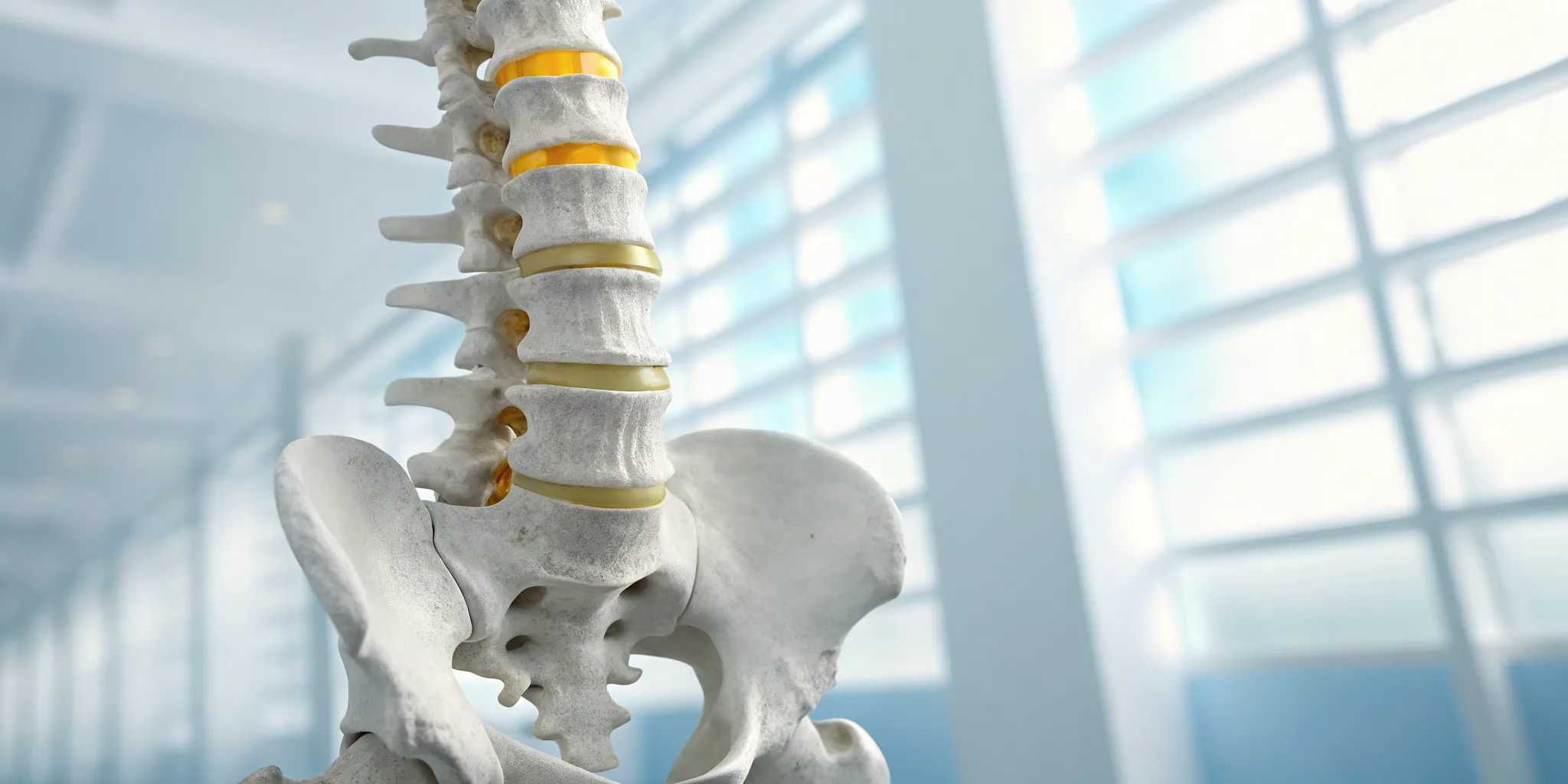
If you’ve ever been told you have a herniated disc, the term itself can sound intimidating. But what does it actually mean? Think of your spine as a stack of bones (vertebrae), and between each bone is a soft, cushiony disc. These discs have a tough outer layer and a soft, gel-like center, kind of like a miniature jelly donut. A herniated disc happens when a tear in that tough outer layer allows some of the soft center to push out.
This escaped material can press on the nerves in your spinal canal, which is what causes the pain, numbness, or weakness you might be feeling. It’s a very common source of back, neck, and leg pain, but the good news is that there are effective ways to find relief. Understanding the mechanics of what’s happening in your back is the first step toward addressing the root cause of your discomfort and getting back to feeling like yourself. Many different spinal conditions can cause this kind of pain, and a proper diagnosis is key.
How Your Spinal Discs Work
Your spinal discs have a really important job: they act as shock absorbers between your vertebrae. Every time you walk, run, or even just bend over, these discs cushion the impact and protect your spine. They allow your back to be flexible and strong at the same time. Each disc is made of a durable, tire-like outer ring and a soft, gel-like center. In a healthy spine, this structure works perfectly, keeping your movements smooth and pain-free. They are essential for your spine’s overall health and mobility.
What Happens When a Disc Herniates
A disc herniation occurs when the soft, jelly-like center pushes out through a crack in the tougher exterior. This can happen due to gradual wear and tear or a sudden injury. When this inner material leaks out, it can enter the spinal canal, where your spinal cord and nerve roots are located. Because there isn’t much extra space in there, the herniated material can press on or irritate a nearby nerve. This pressure is what leads to the symptoms of a herniated disk, which can range from mild aches to severe, radiating pain.
Herniated vs. Bulging Disc: What’s the Difference?
You might hear the terms “bulging disc” and “herniated disc” used together, but they describe slightly different situations. A bulging disc is when the disc sags and pushes outward, but the tough outer layer remains intact. Think of it like a hamburger that’s too big for its bun. A herniated disc, on the other hand, is when the outer layer actually cracks or ruptures, allowing the soft inner gel to leak out. While both can cause pain by pressing on nerves, a herniation is typically a more advanced stage. Fortunately, non-surgical treatments like spinal decompression can be effective for both conditions.
Common Symptoms of a Herniated Disc
A herniated disc can feel different for everyone, but most symptoms come from the disc material pressing on a nearby spinal nerve. Understanding these common signs can help you figure out what’s going on and when to seek help. The symptoms you experience will depend entirely on which disc has herniated and which nerve it’s affecting.
The Pain: What to Expect
A herniated disc often announces itself with a distinct type of pain. Many people describe it as a sharp, burning, or stinging sensation rather than a dull ache. This pain isn’t always confined to your back. Because the herniated disc material can press on a spinal nerve, the pain can travel, or “radiate,” along that nerve’s path. If the affected disc is in your lower back, you might feel pain shoot down into your leg. If it’s in your neck, the pain could extend into your shoulder and arm. Simple movements like bending, twisting, or even sitting for a while can make the pain worse.
Numbness and Tingling Sensations
Have you ever felt that strange “pins-and-needles” feeling when your foot falls asleep? A herniated disc can cause similar sensations, but these don’t go away after a few shakes. When a disc presses on a nerve, it can interfere with the signals being sent to and from your brain. This can lead to numbness or tingling in the part of the body that the nerve serves. For a lower back herniation, you might feel this in your leg or foot. For a neck herniation, the numbness and tingling could appear in your arm or hand. It’s a key sign that a nerve is being irritated.
Muscle Weakness in Arms or Legs
Pain and tingling are sensory symptoms, but a herniated disc can also affect your motor nerves, which control your muscles. If you notice that your grip feels weaker, you have trouble lifting objects, or you find yourself stumbling more often, it could be a sign of muscle weakness caused by nerve compression. This happens because the compromised nerve can’t send clear signals to your muscles. This symptom can point to more significant nerve involvement from various spinal injuries and shouldn’t be ignored. It’s a good reason to get a professional evaluation to understand the root cause and prevent the weakness from getting worse.
Is It Sciatica? The Disc Connection
If you’re feeling pain that starts in your lower back, travels through your buttock, and goes down the back of one leg, you might be dealing with sciatica. Sciatica isn’t a condition on its own; it’s a symptom. And one of the most common causes is a herniated disc in the lumbar (lower) spine. The disc presses on the sciatic nerve, the longest nerve in your body, triggering that specific radiating pain. While other issues can cause sciatica, its presence is a strong clue that one of your spinal conditions could be a herniated disc.
Why the Location of Your Herniation Matters
Your symptoms are a roadmap that can help pinpoint where the problem is in your spine. Herniated discs can happen anywhere, but they are most common in the lower back (lumbar spine) and the neck (cervical spine). The location determines the path of your pain. A lumbar herniation affects the nerves that run into your legs and feet, causing lower body symptoms like sciatica. A cervical herniation, on the other hand, impacts the nerves that go to your shoulders, arms, and hands. This is why two people with a “herniated disc” can have completely different experiences.
Neck vs. Lower Back Herniation Symptoms
A herniated disc can feel different depending on where it’s located in your spine. The symptoms you experience are clues that point to whether the issue is in your neck (cervical spine) or your lower back (lumbar spine). This is because the affected disc presses on different nerves, sending pain signals to various parts of your body. Pinpointing the location is the first step toward getting the right diagnosis and finding a treatment plan that works for you.
Signs of a Herniated Disc in Your Neck (Cervical)
A herniated disc in your neck often makes its presence known with more than just a stiff neck. You might feel a persistent ache in the back and sides of your neck or a nagging pain between your shoulder blades. Because the nerves in your neck travel down to your arms, you could also experience pain that radiates into your shoulder, arm, and even your hand and fingers. This can feel like a sharp, shooting pain or a constant ache. It’s also common to feel numbness or tingling in your arms. If you notice the pain gets worse when you turn your head or bend your neck, it’s a strong sign that one of your cervical conditions needs attention.
Signs of a Herniated Disc in Your Lower Back (Lumbar)
When a disc herniates in your lower back, the symptoms are often felt much lower down the body. The most classic sign is sciatica, a sharp, shooting pain that travels from your lower back, through your buttock, and down one leg. It can feel like a jolt of electricity or a burning sensation. You might also have general lower back pain, but the radiating leg pain is the tell-tale sign. Other common symptoms include tingling or numbness in your legs or feet and noticeable muscle weakness. In some cases, you might have trouble lifting your foot when you walk. These symptoms are your body’s way of telling you that a nerve is being compressed and it’s time to see a professional.
What Causes a Disc to Herniate?
It’s a common misconception that a herniated disc always comes from one big, dramatic event. While that can happen, the reality is often more complex. A disc herniation is usually the result of a combination of factors that build up over time. Understanding these causes is the first step toward both finding relief and preventing future issues. From the natural aging process to your daily habits, several things can contribute to disc problems.
The Natural Aging Process
One of the most common reasons for disc herniation is simply the wear and tear that comes with age. Think of your spinal discs like tiny shock absorbers between your vertebrae. When we’re young, they are plump and full of water, which makes them resilient. As we get older, these discs naturally lose some of their water content and flexibility, a process sometimes called disc degeneration. This can make the tough outer layer of the disc more brittle and susceptible to tears or cracks, allowing the soft inner gel to push through. It’s a normal part of aging, but it does increase your risk for one of the many spinal conditions that can cause pain.
Sudden Injuries and Everyday Strain
A sudden, forceful impact can absolutely cause a disc to herniate. This could be from a car accident, a fall, or lifting something far too heavy with improper form. However, it’s often the smaller, repetitive movements that do the most damage over time. Think about daily activities like twisting to get something out of the car, bending repeatedly for your job, or even sitting with poor posture for hours on end. These seemingly harmless motions can create cumulative stress on your spine, gradually weakening a disc until it finally gives way. These types of injuries are incredibly common and a frequent source of back and neck pain.
How Your Lifestyle Plays a Role
Your daily habits have a significant impact on your spinal health. Carrying extra body weight, for example, places consistent, added pressure on the discs in your lower back, accelerating wear and tear. Similarly, living a sedentary lifestyle can lead to weak core and back muscles, which are essential for supporting your spine properly. Even smoking can be a factor, as it can impair blood flow to the discs, robbing them of the oxygen and nutrients they need to stay healthy and repair themselves. Making positive changes in these areas can play a supportive role in your long-term spinal wellness.
Are You Genetically Prone to Disc Issues?
You might be surprised to learn that a predisposition for disc problems can run in families. Some people may inherit traits that make them more susceptible to disc herniation, such as having naturally weaker connective tissue in their spinal discs. If your parents or siblings have dealt with herniated discs or other spinal issues, you may have a slightly higher risk. This doesn’t mean you are destined for back pain, but it does mean being proactive about your spinal health through good posture, proper lifting techniques, and regular exercise is even more important.
How Doctors Diagnose a Herniated Disc
Figuring out if a herniated disc is the source of your pain is a process of putting clues together. A thorough diagnosis doesn’t just rely on one test; it combines your personal experience with a professional physical assessment and, when needed, a closer look with imaging. This careful approach ensures you get a clear picture of what’s happening in your spine so you can find the right path to relief. The expert team at DRX Chicago is dedicated to this detailed diagnostic process, making sure we understand the root cause of your discomfort before recommending a treatment plan. It all starts with a simple conversation.
Your Initial Consultation and Physical Exam
Your first appointment is all about your story. We’ll start by listening to you describe your symptoms, when they began, and what activities make the pain better or worse. This conversation gives us critical information about the potential source of the problem. Next, we’ll conduct a physical exam to check your muscle strength, reflexes, and sensation in your arms or legs. We may perform specific movements to see if they trigger your pain. One common evaluation is the straight-leg raise test, where we gently lift your leg while you lie down. This simple, painless test helps us see if a nerve is being irritated by a disc, a classic sign of many common spinal conditions.
Getting a Clearer Picture: MRIs and Other Scans
While a physical exam provides a lot of information, sometimes we need to see exactly what’s going on inside your spine. Imaging tests can give us that detailed view. While an X-ray can show us the bones of your spine, it can’t visualize soft tissues like discs. For that, a Magnetic Resonance Imaging (MRI) scan is the best tool. An MRI gives us a clear, detailed picture of your discs, nerves, and spinal canal, allowing us to confirm a herniation and see its exact size and location. However, an MRI isn’t always the first step. We typically recommend imaging only if your symptoms are severe, don’t improve after a few weeks of conservative care, or if we suspect a more serious issue.
Why an Early Diagnosis Is So Important
When you’re in pain, it’s tempting to wait and hope it goes away on its own. But getting an accurate diagnosis as soon as possible is one of the best things you can do for your long-term health. Identifying the problem early allows you to start the right treatment sooner, which can prevent a manageable issue from becoming a chronic and more painful one. An early diagnosis also helps you avoid treatments that won’t work and puts you on a faster track to feeling better. It opens the door to highly effective, non-surgical treatments like spinal decompression therapy, which can provide lasting relief by directly addressing the pressure on your discs and nerves.
Your Treatment Options for a Herniated Disc
Finding out you have a herniated disc can feel overwhelming, but the good news is that you have many paths to relief, and most don’t involve surgery. The right approach for you will depend on your specific symptoms and the severity of your condition. Treatment often starts with simple, conservative methods you can do at home and progresses from there if needed. The goal is always to reduce your pain, restore your mobility, and get you back to living your life.
Think of it as a step-by-step process. You and your healthcare provider can work together to find the least invasive, most effective solution. From gentle exercises and physical therapy to more specialized treatments like chiropractic care and spinal decompression, there are many ways to support your body’s healing process. Let’s walk through the most common options so you can feel more informed and confident about your next steps.
Starting with At-Home Care
For many people, the journey to recovery begins right at home. Most herniated discs improve over several weeks with simple, consistent care. Your first line of defense is often modifying your activities to avoid movements that cause pain, like heavy lifting or prolonged sitting. Over-the-counter nonsteroidal anti-inflammatory drugs (NSAIDs), such as ibuprofen, can help manage pain and reduce inflammation around the affected nerve.
Applying heat or ice can also provide temporary relief. A heating pad can help relax tight muscles, while an ice pack can numb the area and decrease swelling. The key here is patience. Giving your body time to rest and heal is a crucial first step that can make a significant difference in your recovery.
Guided Movement: Physical Therapy and Exercise
While rest is important initially, movement is medicine when it comes to disc health. A physical therapist can be an incredible ally, designing a specific program of exercises and stretches just for you. These movements aren’t random; they are targeted to relieve pressure on your spinal nerves, gently loosen tight muscles, and improve blood flow to the injured area, which is essential for healing.
Your therapist will guide you on proper form to ensure you’re strengthening your core and back muscles safely. Building this support system for your spine helps stabilize it and reduces the risk of future injuries. A consistent physical therapy routine can often provide significant relief within a month and equip you with the tools to maintain a healthy, resilient back for years to come.
Managing Pain with Medication or Injections
If at-home care and physical therapy aren’t cutting it, your doctor might suggest other options to manage your pain. Prescription medications like muscle relaxants can help ease painful spasms, while stronger pain relievers may be prescribed for short-term use during severe flare-ups. These medications don’t fix the disc itself, but they can provide enough relief to allow you to participate in physical therapy and let the inflammation subside.
In some cases, an epidural steroid injection may be recommended. This procedure involves injecting a powerful anti-inflammatory medication directly into the area around the irritated nerve. The goal is to reduce swelling and calm the nerve, breaking the cycle of pain and giving your body a better chance to heal.
The Role of Chiropractic Care
Chiropractic care offers a hands-on approach to treating the mechanical issues that can contribute to a herniated disc. A chiropractor focuses on restoring proper motion and alignment to your spine. Through gentle adjustments, they can help alleviate pressure on the affected disc and nerves, which often leads to reduced pain and improved function.
This type of care is especially beneficial for people dealing with chronic back and neck pain from disc-related conditions. By addressing the root cause of the spinal imbalance, chiropractic adjustments can be a key part of a comprehensive treatment plan. The experienced chiropractic team at DRX Chicago can assess your specific situation and determine if this approach is right for you.
A Non-Surgical Solution: Spinal Decompression
For those seeking a powerful, non-invasive treatment, spinal decompression therapy is a game-changer. This gentle, computer-controlled therapy works by carefully stretching the spine. This action creates a negative pressure within the affected disc, which can help draw the herniated or bulging material back into place and away from the nerve.
This process not only relieves pressure but also encourages the flow of water, oxygen, and nutrients into the disc, promoting natural healing. Unlike basic traction, the DRX9000 system is designed to be precise and comfortable, making it an excellent option for treating chronic pain from herniated discs, sciatica, and degenerative disc disease without surgery or medication.
Understanding When Surgery Might Be an Option
The thought of surgery can be scary, and it’s important to know that it’s rarely the first option for a herniated disc. Surgery is typically considered a last resort, reserved for cases where months of conservative treatments have failed to provide relief. It may also become necessary if you experience severe or worsening neurological symptoms.
These red-flag symptoms include significant muscle weakness that affects your ability to walk or hold objects, or loss of bowel or bladder control, which is a medical emergency. For the vast majority of people, a combination of non-surgical treatments is enough to resolve the pain and get them back on their feet. Always explore all your conservative options first.
How Spinal Decompression Therapy Helps
If you’re dealing with the persistent pain of a herniated disc, you’ve probably been told your options are limited: rest, medication that just masks the symptoms, or invasive surgery. It can feel like a frustrating choice, especially when the pain interferes with everything you do. But what if there was another way? A treatment that gets to the root of the problem without scalpels or lengthy recovery times? That’s where spinal decompression therapy comes in. It’s a safe, non-surgical treatment that directly addresses the intense pressure a herniated disc places on your spine and nerves.
By gently stretching the spine, this therapy creates an ideal environment for your body to heal itself. Think of it as a modern, targeted approach that has brought lasting relief to so many people who thought chronic back and neck pain was their new normal. It’s not just about managing pain; it’s about creating the conditions for true, long-term healing, allowing you to get back to your life. This therapy fills a crucial gap for those who haven’t found relief with other conservative treatments but want to avoid surgery. It’s a proactive step toward reclaiming your comfort and mobility.
How It Gently Creates Space and Relief
Imagine your spine finally getting a chance to breathe. That’s the core idea behind spinal decompression. The therapy uses a specialized table to apply a gentle, precise stretching force to your spine. This action creates a tiny bit of space between your vertebrae. This separation generates a negative pressure, or a vacuum effect, inside the affected disc. This is key because it can help draw the herniated or bulging material back into its proper place, taking pressure off your nerves. This process also allows essential nutrients and oxygen to flow back into the disc, which is vital for long-term healing. The DRX9000 system is specifically designed to provide this targeted, comfortable relief.
What to Expect During and After Treatment
You might be surprised to learn that many people find spinal decompression sessions to be quite relaxing. During a treatment, you’ll lie on a comfortable, computer-controlled table as it performs the gentle stretching cycles. You shouldn’t feel any pain. The goal is to achieve lasting relief, which typically involves a series of treatments over several weeks. This isn’t a temporary fix; it’s a process designed to facilitate genuine healing within the disc. As the pressure on your nerves subsides, you can expect a decrease in pain, numbness, and weakness associated with many spinal conditions. Research has even shown that this therapy can lead to a significant reduction in the size of a disc herniation.
Is Spinal Decompression Right for You?
While spinal decompression is a powerful tool, it isn’t the right fit for everyone. The first and most important step is a thorough clinical evaluation. A qualified professional will review your health history, discuss your symptoms, and examine any imaging you have, like an MRI, to determine if you are a good candidate. This careful screening ensures the treatment is both safe and appropriate for your specific situation. Our spinal wellness team is dedicated to creating a personalized plan that addresses your unique needs. By understanding your condition completely, we can help you decide if this advanced, non-surgical therapy is your best path toward a pain-free life.
Can You Prevent a Disc Herniation?
While you can’t control every risk factor for a herniated disc, like genetics or the natural aging process, you absolutely have power over your daily habits. Think of it less as a foolproof prevention plan and more as a way to stack the odds in your favor. By making a few intentional changes to how you move, work, and live, you can significantly reduce the strain on your spine and lower your risk of injury. It’s about building a foundation of spinal health that can better withstand life’s daily pressures. Let’s walk through some of the most effective strategies you can start using today.
Fine-Tuning Your Posture and Workspace
If you spend hours sitting at a desk, your posture can make or break your spinal health. Maintaining good posture is crucial; try to keep your spine relatively straight with your shoulders pulled back, and avoid slouching. This simple awareness helps reduce the constant pressure on your spinal discs. Take a look at your workspace. Is your monitor at eye level? Are your feet flat on the floor? Small ergonomic adjustments can make a huge difference over time. It’s also a great idea to stand up, stretch, and walk around for a few minutes every hour to give your back a break from the static sitting position that can contribute to work-related injuries.
Building a Stronger Core Through Exercise
Regular, gentle exercise is one of the best things you can do for your back. When we talk about your “core,” we mean the entire group of muscles in your abdomen and back that act like a natural corset for your spine. A strong core provides stability and support, taking a significant amount of load off your intervertebral discs. You don’t need to become a high-performance athlete. Activities like walking, swimming, yoga, and targeted core-strengthening exercises are fantastic for building the muscle needed to support your spine and manage many spinal conditions. The key is consistency, so find an activity you enjoy and make it a regular part of your routine.
The Impact of Weight, Diet, and Daily Habits
A few other lifestyle factors play a surprisingly large role in disc health. Maintaining a healthy weight is important because carrying extra pounds, especially around your midsection, puts continuous pressure on the discs in your lower back. This increases your risk of herniation over time. Similarly, smoking is a major risk factor. The chemicals in cigarettes can prevent your spinal discs from getting the nutrients they need, causing them to dry out and weaken. Quitting smoking and adopting a balanced diet can directly improve your spine’s resilience. If you need guidance on creating a healthier lifestyle for your back, our team is here to help create a plan that works for you.
What Is Herniated Disc Recovery Really Like?
Hearing you have a herniated disc can be scary, but the good news is that most people do get better over time. Recovery is a process, and while the disc itself may not return to its original form, it can shrink, and the pain can significantly decrease or disappear entirely. Understanding what to expect can make the journey feel much more manageable. Your path will be unique, but there are common stages and signs to look for along the way.
Your Path to Recovery: What’s the Timeline?
Healing from a herniated disc happens in phases, and your personal timeline will depend on your age, overall health, and the severity of the herniation. While it’s not a one-size-fits-all process, recovery often follows a general pattern.
- Stage 1: Acute Pain (First 2 weeks): This is often the toughest part. You might feel intense, sharp pain in your back or neck, and it could travel down your arm or leg (sciatica). Muscle spasms and feelings of numbness or tingling are also common during this initial phase.
- Stage 2: Early Recovery (2 to 6 weeks): You should start to feel some relief. The intense pain begins to lessen, muscle spasms happen less frequently, and you’ll likely find it easier to move around.
- Stage 3: Continued Improvement (6 to 12 weeks): The pain becomes much more manageable, though you might still feel it after certain activities. This is a critical time to continue with gentle movement and strengthening to support your long-term healing.
Positive Signs Your Disc Is Healing
As your body begins to recover, you’ll notice some welcome changes. These positive signs are your body’s way of telling you that you’re on the right track. Look for less pain, especially pain that doesn’t travel as far down your arm or leg. You might also find that you can move more freely without that sharp, catching sensation. Other good signs include a reduction in nerve-related conditions like numbness or tingling, and fewer muscle spasms in your back. Each of these improvements, no matter how small, is a step toward getting back to your life.
Knowing When to Check In with a Professional
While home care and patience are key, it’s just as important to know when to seek professional guidance. You should connect with a specialist if your pain isn’t improving or seems to be getting worse after a few weeks. Pay close attention to nerve symptoms; if numbness, tingling, or weakness in your arms or legs increases, it’s time to get it checked out.
On a more serious note, if you ever experience a loss of bladder or bowel control, seek medical attention immediately. These symptoms can indicate a rare but serious condition. If you’re unsure about your symptoms or your recovery has stalled, the spinal wellness team at DRX Chicago is here to help you find clarity and create a plan for relief.
Related Articles
- DRX9000 Spinal Decompression: How It Works
- Common Spinal Conditions
- Common Spinal Injuries
- Meet Our Spinal Therapy Chiropractors
Frequently Asked Questions
Will I need surgery for my herniated disc? This is a common worry, but the reality is that surgery is rarely the first step. The vast majority of people find significant relief through conservative, non-surgical treatments. Methods like physical therapy, chiropractic care, and spinal decompression are highly effective at reducing pain and helping your body heal. Surgery is typically only considered a last resort, reserved for cases where months of other treatments have not helped or if you are experiencing severe, progressive neurological symptoms.
Can a herniated disc heal on its own? Yes, your body has a remarkable ability to heal. Over time, the herniated portion of the disc can shrink, and the inflammation around the nerve can decrease, which leads to less pain. However, “healing on its own” doesn’t mean you should just wait and do nothing. Actively supporting this process with treatments that reduce pressure on the disc, like spinal decompression, and strengthening your core muscles can make your recovery faster, more complete, and help prevent future problems.
Is it safe to exercise with a herniated disc? While you should avoid activities that cause sharp pain, movement is actually a critical part of your recovery. The key is to choose the right kind of exercise. Gentle activities like walking, swimming, and specific stretches can help reduce stiffness and promote blood flow to the injured area. A physical therapist or a spinal specialist can design a safe and effective program for you, focusing on strengthening the core muscles that support your spine, which takes pressure off the disc.
How is spinal decompression different from using an inversion table? While both methods involve stretching the spine, spinal decompression therapy is a much more precise and targeted treatment. An inversion table provides a static stretch, which can cause your back muscles to tense up and resist the pull. A computerized system like the DRX9000, however, applies a gentle, oscillating force that is specifically designed to bypass this muscle guarding. This allows for a true negative pressure to be created within the disc, which helps retract the herniated material and encourages healing in a way that simple inversion cannot.
How long does recovery from a herniated disc usually take? Recovery time varies for everyone and depends on the severity of your herniation and your overall health. Many people start to feel significant improvement within six to twelve weeks of starting a consistent, conservative treatment plan. The initial, intense pain often subsides much sooner, but true healing of the disc and surrounding tissues is a gradual process. Patience and consistency with your recommended care plan are the most important factors for a successful recovery.