Wondering how to prevent sciatica? You cannot eliminate every cause, but habits that support back health and reduce avoidable strain may help lower the risk of some episodes. Sciatica describes pain that travels along the sciatic nerve pathway, often from the lower back through the buttock and down a leg. Here are realistic steps for Chicago patients, plus signs that deserve prompt medical attention.
Schedule a conversation about your back or leg symptoms
What does it mean to prevent sciatica?
In brief: Prevention means addressing modifiable contributors to back and nerve irritation, not guaranteeing that sciatica will never occur. Symptoms can have different causes, including disc-related problems, and some are not fully preventable.
Sciatica is a symptom pattern, not a diagnosis by itself. People may describe sharp, burning, aching, or electric pain traveling from the low back or buttock down one leg. Tingling, numbness, or weakness can also occur. Similar symptoms can have other causes, so persistent or concerning symptoms should be assessed rather than self-diagnosed.
It helps to think in terms of practical risk reduction: move regularly, build tolerance gradually, use sensible lifting habits, and respond early when an activity repeatedly brings on symptoms. These steps support general back function, but do not guarantee prevention.
How can daily habits help prevent sciatica?
In brief: Regular movement, gradual conditioning, and varied positions may reduce prolonged strain and help maintain strength and mobility. Choose activities you can do consistently and comfortably.
Break up long periods of sitting
Long stretches in one position can make the back feel stiff or uncomfortable. If you work at a desk or drive around Chicago for extended periods, change position when practical. Stand, walk briefly, or gently move your hips and back. There is no single perfect posture; changing positions is often more realistic than holding a rigid pose all day.
Set a reminder if you tend to lose track of time. Adjust your workstation so your feet are supported and the screen is easy to view without leaning forward. During a long drive, plan safe opportunities to get out and move.
Build activity gradually
Walking and other manageable activities can help maintain general fitness. Begin at a level that feels comfortable, then increase time or intensity in small steps. Avoid making a sudden jump in exercise volume after a period of inactivity. If a movement triggers pain that travels down the leg, stop and seek guidance about how to modify activity.
Strength and mobility exercises may be useful, but there is no universal routine for everyone. A clinician or qualified rehabilitation professional can help tailor movements to your symptoms, health history, and ability.
Use practical lifting habits
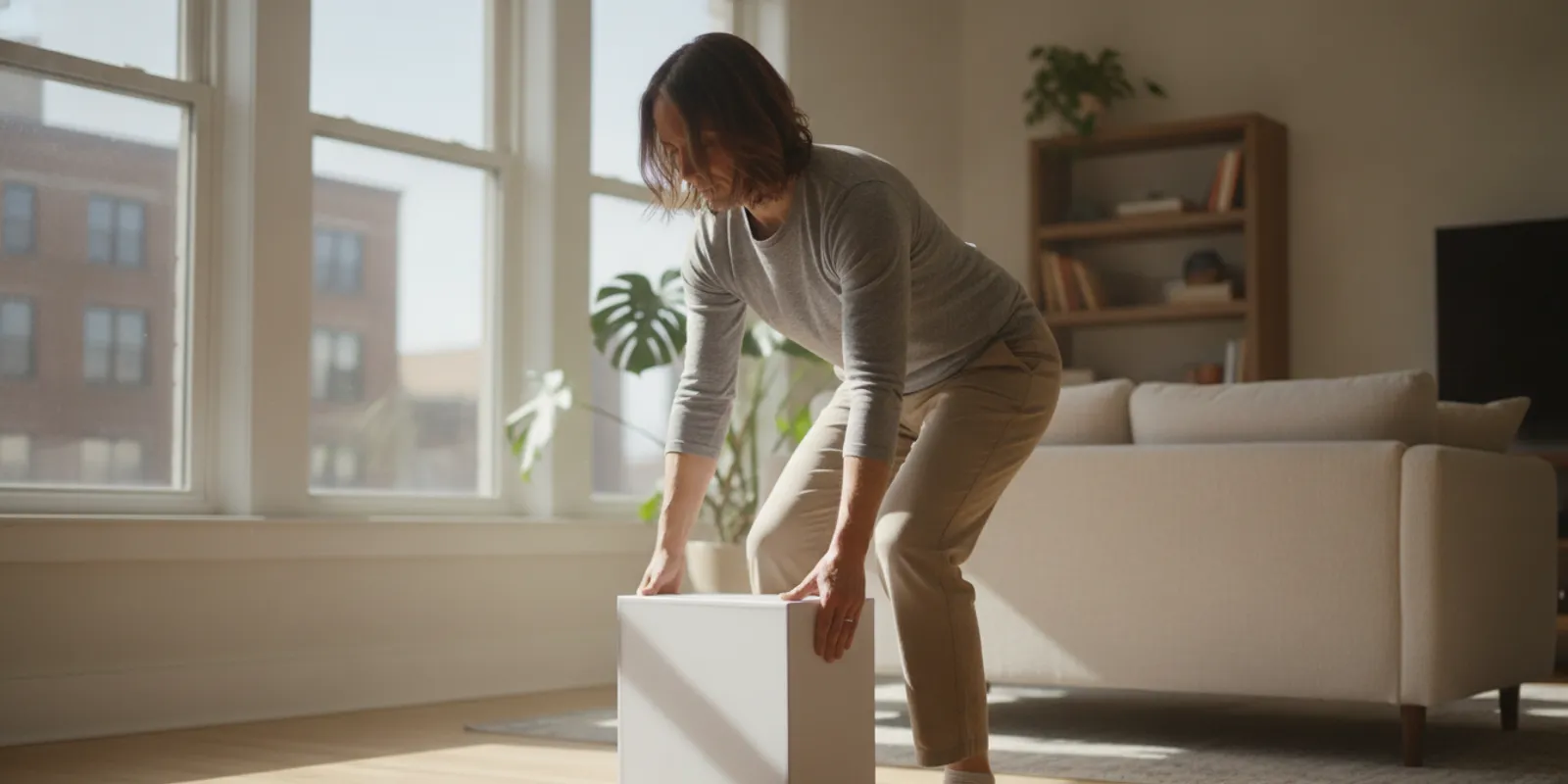
When lifting, keep the object close, use a stable stance, and avoid twisting while carrying a load. Bend at the hips and knees as comfortable rather than rounding and reaching far away from your body. For a heavy or awkward object, use assistance or divide the load instead of forcing the lift.
- Move close to the item before lifting.
- Keep the path clear and plan where the item will go.
- Turn with your feet rather than twisting your trunk under load.
- Ask for help with loads that feel unsafe or too heavy.
These are general handling tips, not a guarantee against injury. If lifting consistently provokes radiating pain, do not repeatedly test the movement; discuss the pattern with a healthcare professional.
Which habits can contribute to back strain?
In brief: Repeated heavy lifting, sudden increases in physical demands, and staying in one position for long periods can aggravate discomfort in some people. The effect varies, and no single habit explains every case of sciatica.
Pay attention to patterns rather than blaming yourself. Note whether symptoms follow a specific task, prolonged sitting, or a new workout. A short record of what you were doing, where symptoms travel, and what eases or worsens them may help a clinician understand the issue.
General health habits such as regular movement and maintaining a sustainable activity routine support overall wellbeing. Avoid claims that a particular food, supplement, stretch, or posture can prevent sciatica. If you smoke or have other health concerns, ask your healthcare provider about appropriate support for your overall health.
When should you seek medical advice for possible sciatica?
In brief: Get professional guidance for persistent, recurring, worsening, or function-limiting pain that travels down a leg. Seek emergency care for severe warning signs such as new loss of bladder or bowel control or rapidly worsening leg weakness.
Prompt assessment matters when symptoms are severe or changing. Seek urgent medical attention for numbness around the groin or saddle area, loss of bladder or bowel control, or significant and worsening weakness. These symptoms can indicate a serious problem and should not wait for a routine appointment.
For non-emergency symptoms, arrange an evaluation if pain keeps returning, interferes with sleep or daily activities, or includes ongoing numbness or weakness. A clinician can review your symptoms, medical history, and examination findings and decide whether further testing or referral is appropriate. Read more about sciatica symptoms and care information and the spinal conditions DRX Chicago discusses.
How do prevention habits and care options compare?
In brief: Everyday habits are self-management measures, while clinical evaluation helps identify possible causes and appropriate next steps. Treatment choices depend on the individual findings, not on a one-size-fits-all plan.
| Option | What it may help with | Important limit |
|---|---|---|
| Regular movement and position changes | Reducing prolonged inactivity and supporting general mobility | Does not prevent every cause or replace evaluation of concerning symptoms |
| Gradual conditioning | Building activity tolerance over time | Exercise should be adjusted if it worsens radiating pain or weakness |
| Professional assessment | Reviewing symptoms and considering possible causes and care choices | Assessment is needed to determine what is appropriate for an individual |
| DRX9000 spinal decompression evaluation | Considering whether non-surgical decompression may be relevant for selected back conditions | Not appropriate for everyone; candidacy requires evaluation and outcomes vary |
DRX Chicago provides information about how DRX9000 spinal decompression works. The device is FDA cleared, not FDA approved. Decompression is not a guaranteed cure and is not a substitute for medically necessary care. A thorough evaluation screens for contraindications, which may include pregnancy, severe osteoporosis, fractures, tumors, infections, surgical hardware at the treatment level, and ankylosing spondylitis.
Published research on sciatica and its assessment is available through the National Library of Medicine article on knowledge and attitudes toward sciatica pain and treatment. Its subject is sciatica; it should not be read as proof that any one preventive routine works for everyone.
For more background, see DRX Chicago’s information on herniated discs, bulging discs, and pinched nerves. These pages explain conditions that may be associated with back or leg symptoms; a clinician must determine what applies in an individual case.
How can you make prevention habits practical in a busy week?
In brief: Start with small, repeatable changes tied to existing routines. A plan that fits your work, commute, and current fitness is easier to maintain than a demanding schedule that is difficult to follow.
For example, a person who works at a desk might stand and take a short walk after completing a task, rather than trying to remember an arbitrary exercise schedule. Someone who drives across Chicago for work could plan safe stops on longer trips and walk briefly once parked. These are examples of ways to vary position, not prescriptions or proven guarantees against sciatica.
Use a gradual approach to activity. If you are currently inactive, begin with a manageable walk or movement break and observe how you feel during the activity and afterward. Increase duration or effort in small increments only when the current level is comfortable. If pain begins traveling farther down the leg, or weakness or numbness develops, stop progressing and seek appropriate advice.
What can a simple weekly plan include?
- Choose an everyday cue, such as a calendar reminder or the end of a meeting, to change position.
- Set one modest activity goal that reflects your current ability, rather than copying someone else’s routine.
- Before lifting, assess the load and route. Break the task into smaller carries or ask for help if it feels awkward.
- Review at the end of the week which habits felt manageable and which repeatedly aggravated symptoms.
Consistency does not mean pushing through pain. A useful plan should be adjustable. If a particular stretch, lift, or exercise repeatedly causes radiating symptoms, do not treat discomfort as a sign that the movement is working. Replace it with a comfortable alternative only if appropriate, and discuss persistent symptoms with a qualified professional.
How should you respond when symptoms start?
In brief: Notice the symptom pattern, avoid repeatedly provoking it, and choose the right level of care. Emergency warning signs need urgent attention; ongoing or recurring symptoms warrant a clinical assessment.
Write down when symptoms began, where they travel, and whether they include tingling, numbness, or weakness. Note relevant activities and whether changing position affects discomfort. This short record can help make a conversation with a clinician more specific. It does not establish the cause or replace an examination.
Do not assume every instance of leg pain is sciatica. A clinician may consider your history and examination, and decide whether additional evaluation is needed. Tell them about prior injuries, existing conditions, and any change in strength or sensation. If you have a known spinal condition, ask what activities are reasonable for you rather than relying on general advice alone.
For many people, the next step is not to stop all movement indefinitely, but to avoid activities that clearly worsen symptoms while getting individualized guidance. The right response depends on severity and health history. New loss of bladder or bowel control, numbness around the groin or saddle area, or rapidly worsening leg weakness calls for emergency care rather than waiting to see if routine prevention habits help.
How can Chicago patients compare self-care and evaluation?
In brief: Self-care habits can support general mobility, while professional evaluation addresses persistent symptoms and possible causes. Prevention and treatment are different goals.
When symptoms are absent, position changes and gradual conditioning are sensible general habits. When symptoms recur or interfere with work, sleep, or walking, an assessment can help determine what might be contributing and what options fit. A clinic’s treatment page can explain its approach, but it cannot determine candidacy for an individual reader.
DRX Chicago discusses conditions such as sciatica and lower back pain. For background on the practice and its approach, read about the DRX Chicago spinal wellness team. These resources are informational; use an individual clinical evaluation to discuss whether any care option is appropriate.
What should you ask during an evaluation?
In brief: Ask what might explain your symptoms, what findings support that view, which options suit your situation, and what signs should prompt urgent care. Clear answers help you make an informed decision.
- What could be causing pain, tingling, or weakness in my leg?
- Are there activities I should modify while symptoms are being assessed?
- What benefits, limitations, and risks apply to each care option?
- How will we monitor whether a plan is helping?
- Could my health history or imaging findings affect candidacy for treatment?
DRX Chicago describes its spinal decompression candidacy considerations and provides information about possible treatment side effects. Use these resources to prepare questions, not to decide candidacy without an individual assessment.
Contact DRX Chicago to discuss whether an evaluation may be appropriate
Frequently asked questions
Can sciatica always be prevented?
No. Sciatica can arise for different reasons, and some risks cannot be controlled. Habits such as regular movement and careful load management may support back health, but they cannot guarantee that symptoms will not occur.
Does sitting cause sciatica?
Sitting does not explain every case, but staying in one position for a long time can aggravate discomfort for some people. Try changing positions and taking movement breaks when practical. If symptoms persist or travel down a leg, seek an assessment.
Should I stretch to prevent sciatica?
There is no single stretch proven to prevent sciatica for everyone. Gentle movement may suit some people, but stop any exercise that causes worsening or radiating symptoms and ask a professional for individualized guidance.
Can DRX9000 guarantee that sciatica will not return?
No treatment can guarantee that sciatica will not occur or return. DRX9000 treatment is considered only for suitable candidates after evaluation, and results vary by condition and individual response.
What is a sensible next step?
Start with manageable habits: move regularly, increase activity gradually, and use sensible lifting techniques. If leg pain, numbness, or weakness persists, worsens, or affects daily life, seek professional advice; urgent warning signs require immediate medical attention.