At DRX Chicago, we offer a proven, non-surgical path to lasting back pain relief, providing real hope for patients who are still suffering after spine surgery. Every year, thousands of people develop Failed Back Surgery Syndrome (FBSS), a condition where pain continues or returns even after an operation. We provide a non-surgical path to relief, with hope for those still suffering post-surgery.
Our specialized FBSS treatment programs combine advanced spinal decompression technology, precise diagnosis, and personalized care to address the root cause of your pain rather than just masking symptoms. By focusing on restoring function, reducing inflammation, and improving spinal alignment, we help patients move more freely, rely less on medication, and get back to the activities they love.
This comprehensive, non-invasive approach to treat back pain and spinal conditions supports a more complete recovery and a significantly improved quality of life for those who thought surgery was their last option.
Post-Surgical Back Pain Treatment: DRX Chicago Non-Surgical Decompression
Chronic pain after spinal surgery, often linked to Failed Back Surgery Syndrome (FBSS), can be deeply frustrating. It may cause chronic back pain, radiating leg discomfort, stiffness, muscle weakness, and significant limits in daily activities.
Common causes include scar tissue around the nerves, adjacent segment degeneration (wear and tear above or below the fused level), incomplete decompression of a nerve, or new disc problems that develop over time. This ongoing pain can lead to fear, discouragement, sleep problems, and a strong reluctance to consider more surgery.
At DRX Chicago, we offer a proven, non-surgical path to relief, providing real hope for those still suffering after spinal surgery. Our goal is to help you safely avoid additional operations whenever possible. With thousands of patients developing FBSS each year, our specialized, non-invasive care focuses on addressing the underlying cause of your pain, supporting more complete recovery and a better quality of life.
Understanding Post-Surgical Back Pain & Spinal Impact
*Pain after spinal surgery can develop immediately after the procedure or months to years later. It may result from:
- Scar tissue formation (epidural fibrosis): Scar tissue can form around nerve roots, leading to irritation, inflammation, and ongoing pain.
- Increased stress on adjacent segments: When one area of the spine is fused or surgically altered, the segments above and below often work harder, potentially causing new disc bulges, herniations, or joint arthritis.
- Unresolved or recurrent nerve compression: In some cases, the original nerve pressure is not fully relieved, or new compression develops over time.
- Altered biomechanics and posture: Changes to spinal alignment after surgery can affect how you move, stand, and lift, sometimes creating new areas of strain.
For example, a patient who underwent a lumbar fusion may later develop pain in the adjacent vertebrae due to altered biomechanics and extra load on the levels above or below the fusion. At our clinic, we treated a patient with persistent pain after a discectomy. Through advanced imaging and thorough evaluation, we identified a combination of scar tissue and adjacent segment degeneration. Targeted, non-surgical spinal decompression helped reduce nerve pressure and improve circulation to the disc, resulting in significant pain relief and improved function—without another surgery.
Because each additional surgery often carries higher risks, longer recovery times, and a lower chance of success, repeat operations are not always recommended. This is why non-invasive therapies play such a critical role in managing post-surgical back pain. They help address complex structural issues, promote healing, protect the segments that have not been operated on, and reduce the likelihood of further complications.
Post-surgical pain can also stem from incomplete healing or new disc problems, leading to symptoms such as radiating leg pain (sciatica), numbness, tingling, or weakness. For instance, a patient who had a previous laminectomy reported ongoing lower back pain and leg weakness months after the procedure. Our diagnostic workup revealed a new disc bulge at a nearby level. By combining spinal decompression with targeted stabilization exercises, we were able to reduce their nerve irritation, improve mobility, and help them return more comfortably to work and daily activities.
Our approach is centered on identifying and treating the underlying drivers of your pain—whether mechanical, disc-related, nerve-related, or postural—while improving spinal stability and function. This makes our protocols a strong, evidence-informed alternative to additional invasive procedures for many patients with FBSS and other forms of post-surgical pain.
Why Choose DRX Chicago for Post-Surgical Pain?
Choosing the right provider is especially important when you have already been through surgery. At DRX Chicago, we focus on complex, chronic, and previously unresolved spinal cases, including those with a history of one or more surgeries.
- Specialized expertise in post-surgical spines: Dr. Jason Ingham has extensive experience evaluating and treating patients with FBSS and chronic post-surgical back pain. This includes understanding hardware, fusion levels, and how previous procedures affect current symptoms.
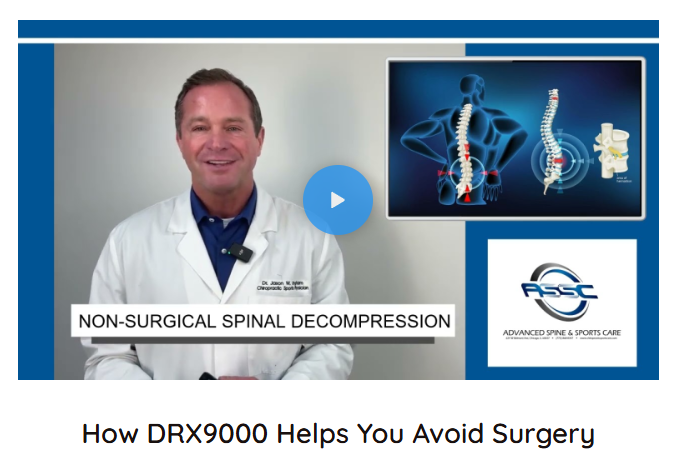
- Gentle, targeted decompression: Our DRX9000 spinal decompression system is designed to precisely target specific spinal levels, reducing pressure on discs and nerve roots while protecting the surrounding tissues. This allows us to treat many post-surgical patients who may not tolerate aggressive manipulation or high-impact therapies.
- Comprehensive rehabilitation and stabilization: Beyond decompression, our programs often include customized exercises, postural training, and strategies to strengthen the deep stabilizing muscles that support the spine.
- Insurance-friendly documentation: We provide detailed clinical notes and documentation to support insurance claims whenever possible, helping you pursue coverage for medically necessary care.
- Whole-person care: DRX Chicago is committed to addressing both the physical and emotional challenges of living with ongoing post-surgical pain. We understand how chronic pain can affect mood, sleep, career, relationships, and confidence.
DRX Chicago: Our Approach to Treating Post-Surgical Back Pain
Our holistic approach integrates advanced diagnostics, personalized treatment plans, and long-term preventive strategies to help you move better, feel stronger, and reduce flare-ups. For active individuals and athletes in Chicago, we also provide guidance on training modifications, body mechanics, and recovery protocols, supporting you in performing at your best without increasing the risk of re-injury.
Treating Post-Surgical Back Pain
Our treatment plans are tailored to your unique spine history, current symptoms, and functional goals. While each case is different, our approach may include:
- Thorough assessment and diagnostics: Review of prior imaging and surgical reports, functional testing, and when appropriate, updated imaging to understand the current condition of your spine.
- DRX9000 spinal decompression: Gentle, computer-controlled traction that creates a negative pressure inside the disc, helping reduce pressure on nerves and enhance nutrient exchange for healing.
- Post-surgical friendly rehabilitation: Low-impact, carefully selected exercises that build core strength, improve flexibility, and support the areas above and below surgical levels.
- Posture and movement coaching: Education on sitting, standing, lifting, and sleeping positions to reduce daily strain on your spine.
- Supportive therapies as appropriate: Such as soft tissue work, neuromuscular re-education, and home care strategies to manage flare-ups.
>What to Expect
- Step 1 – Consultation and history: We review your surgical history, previous treatments, imaging, and current symptoms.
- Step 2 – Examination and recommendations: After a focused exam, we explain what may be driving your pain and whether you are a candidate for non-surgical decompression and related therapies.
- Step 3 – Customized treatment plan: If appropriate, we outline a plan that includes frequency of visits, expected timeline, and realistic goals for pain relief and function.
- Step 4 – Ongoing monitoring: We track your progress, adjust as needed, and provide guidance to help you maintain improvements long term.
>Take the First Step Towards Recovery
If you are still in pain after spinal surgery and are looking for a non-surgical option in Chicago, DRX Chicago may be able to help. You do not need a new surgery to start exploring relief. Contact our office to schedule a consultation and learn whether advanced spinal decompression and targeted rehabilitation are right for you.