That persistent ache in your lower back, the surprisingly tight hamstrings, the pain that shoots down your leg—these aren’t just signs of getting older or overdoing it at the gym. They could be symptoms of a specific spinal condition. One common cause is lumbosacral spondylolisthesis, where a vertebra in your lower spine slips out of alignment. It’s a mechanical problem that often requires more than just rest. Understanding what causes this slippage and how it affects your nerves is the first step toward finding a real solution that goes beyond temporary fixes and gets you back to living comfortably.
Key Takeaways
- A Clear Diagnosis Is Your First Step: Spondylolisthesis involves a slipped vertebra, but the cause and severity of the slip determine your treatment path. An accurate diagnosis through a physical exam and imaging is essential for creating a plan that targets the true source of your pain.
- Prioritize Non-Surgical Relief: Surgery is not the only answer and is often unnecessary. Most people find lasting relief through conservative care like physical therapy to build core strength and non-invasive spinal decompression to gently create space in the spine and relieve nerve pressure.
- Your Daily Habits Make a Difference: You can actively manage your condition and support your spine’s health. Maintaining a healthy weight, performing targeted exercises to stabilize your back, and knowing when to seek professional help for new or worsening symptoms are key to living well.
What Is Lumbosacral Spondylolisthesis?
If you’ve been told you have lumbosacral spondylolisthesis, you probably have a lot of questions. The name itself can be a mouthful, but understanding what’s happening in your spine is the first step toward finding relief. Simply put, this condition involves a single bone in your lower back slipping out of place. While it sounds alarming, it’s a common cause of back pain, and many people find relief with non-surgical treatment. Let’s break down what this diagnosis really means for you and your back.
A Quick Look at Your Lower Spine
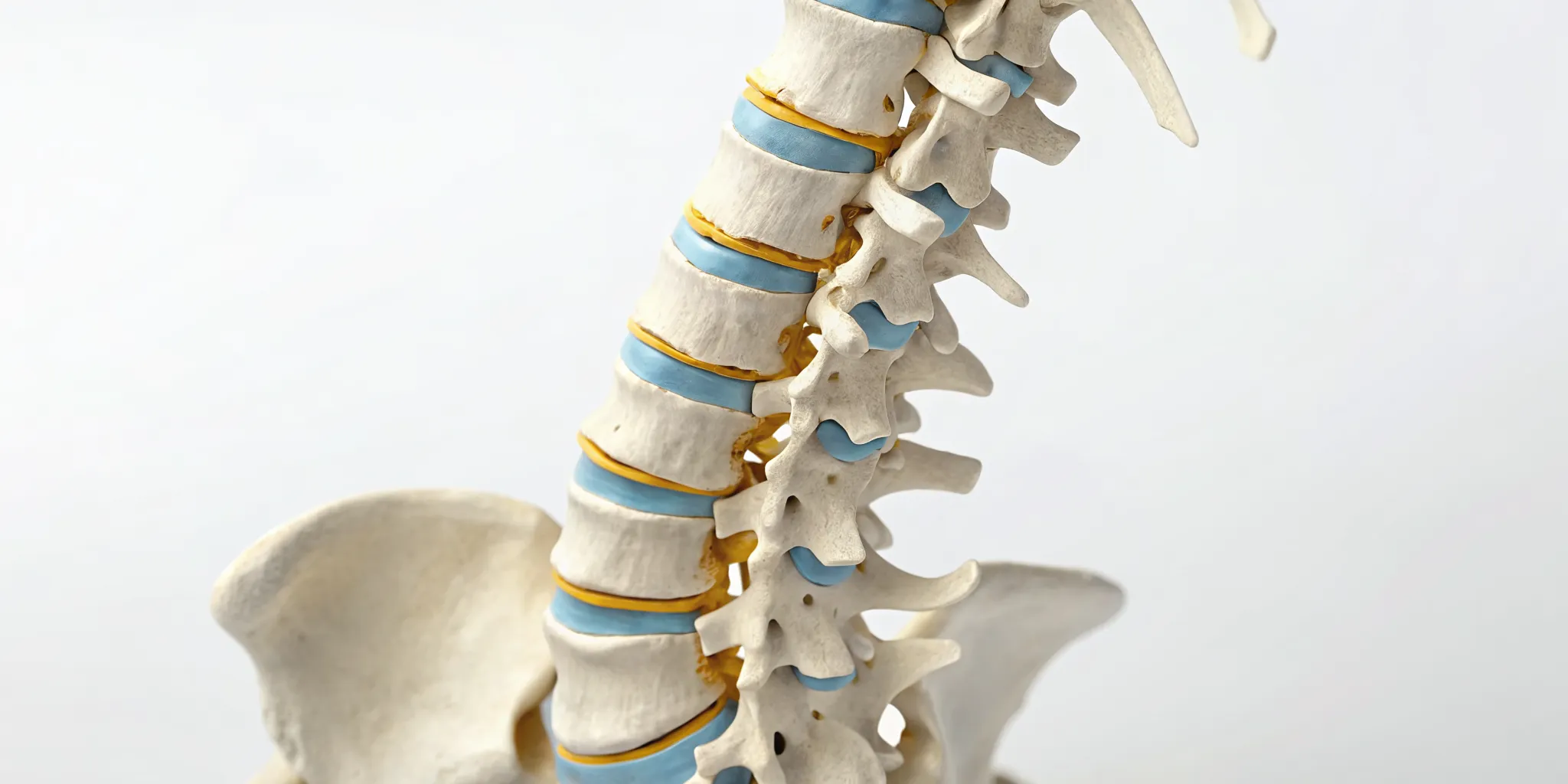
Let’s talk about your lower back, specifically the spot where your spine meets your pelvis. This area is called the lumbosacral region. Lumbosacral spondylolisthesis is a condition where one of the bones in your lower back, usually the last one called L5, slips forward over the triangular bone below it, known as the sacrum. Think of it like a single brick sliding out of place in a wall. This small shift can cause a lot of trouble, from a persistent ache in your lower back and surprisingly tight hamstrings to pinched nerves that create numbness or pain down your leg. It’s one of the many spinal conditions we see and treat regularly.
Explaining the “Slippage” in Your Spine
The word “spondylolisthesis” sounds complicated, but the concept is pretty straightforward. It simply means one of your backbones, or vertebrae, has slipped forward and out of alignment with the one directly beneath it. This forward movement can narrow the spinal canal, leaving less room for your nerves. When a nerve gets squeezed or irritated by the displaced bone, it can send pain signals, numbness, or a tingling sensation shooting down your leg, a symptom many people know as sciatica. Our goal with non-invasive therapies is to gently create space in the spine, which can relieve pressure on those affected nerves and ease your symptoms without surgery.
How We Measure the Severity of the Slip
When we diagnose spondylolisthesis, one of the first things we do is determine how far the vertebra has slipped. We use a simple grading system to measure this, ranging from Grade 1 to Grade 4. A Grade 1 slip is minor, with the bone moving forward by up to 25%, while a Grade 4 slip is much more significant. This grade isn’t meant to scare you; it’s a crucial piece of information that helps us create the right treatment plan for you. Many people with low-grade slips find significant relief with non-surgical care. Our experienced spinal therapy team uses this information to guide your treatment and get you on the path to feeling better.
Why Does Spondylolisthesis Happen?
If you’re dealing with spondylolisthesis, you’re probably wondering how this happened in the first place. It’s a valid question, and the answer is often more complex than a single event. This condition, where one of your vertebrae slips out of place, isn’t usually caused by just one thing. Instead, it’s often the result of a combination of factors that can include your age, your genetics, and the daily activities you perform. Think of it less like a sudden break and more like a gradual process that can develop over many years.
For some people, the issue starts with a tiny fracture in the spine that they might not even know is there. For others, it’s the natural wear and tear that comes with aging, as the discs that cushion our vertebrae begin to thin and lose their supportive structure. Sometimes, a sudden injury can trigger the slippage, or it can be linked to a condition you were born with. Understanding the specific cause of your spondylolisthesis is a critical first step. It helps our spinal wellness team pinpoint the best way to create a personalized treatment plan that addresses your unique situation and helps you find lasting relief from the pain and discomfort.
Isthmic: The Link to Stress Fractures
Isthmic spondylolisthesis is a type that we often see in younger, active individuals. It happens when a small, thin piece of bone called the pars interarticularis, which connects two vertebrae, develops a crack or fracture. This fracture doesn’t happen overnight. It’s typically a stress fracture that forms from repetitive strain on the lower back.
Think about athletes like gymnasts, football linemen, or weightlifters who constantly bend backward or put heavy loads on their spine. This repeated stress can weaken the pars bone until it eventually breaks, allowing the vertebra above it to slip forward. While it’s most common in adolescents and young adults, the symptoms might not appear until later in life, when further wear and tear aggravates the old injury.
Degenerative: The Impact of Aging
The most common reason people develop spondylolisthesis is simply the natural process of aging. This is called degenerative spondylolisthesis, and it usually affects adults over 50. As we get older, the building blocks of our spine begin to change. The soft, rubbery discs that sit between our vertebrae start to lose water and shrink, becoming less effective as shock absorbers.
At the same time, the ligaments that help hold the spine together can weaken and stretch out. This combination of thinning discs and loose ligaments creates instability in the spine. Without the proper support, a vertebra can begin to slip forward over the one below it. This type is more common in women than men and often occurs at the L4-L5 level of the lower back, a frequent source of many spinal conditions.
Other Triggers: Injury, Genetics, and Surgery
While aging and stress fractures are common culprits, they aren’t the only causes of spondylolisthesis. Sometimes, the condition is congenital, meaning a person is born with vertebrae that are formed in a way that makes them more likely to slip. In other cases, a single, traumatic injury can be the trigger. A hard fall, a car accident, or a sports collision can fracture a vertebra or damage the supporting structures enough to cause immediate slippage.
Less commonly, spondylolisthesis can develop as a complication of a previous spinal surgery. While surgery can be necessary to fix one problem, it can sometimes create instability in an adjacent area of the spine down the road. Understanding your full health history helps us see the complete picture of your spinal health.
Risks from Sports and Your Job
Your daily activities can play a significant role in the development of spondylolisthesis, especially the isthmic type. Certain sports put an enormous amount of repetitive stress on the lower back, increasing the risk of stress fractures. High-risk activities often involve repeated backward bending (hyperextension) and rotation. Gymnastics, diving, and football (particularly for linemen) are well-known examples. Weightlifting also puts a heavy compressive load on the spine, which can contribute to the problem.
It’s not just athletes who are at risk. If your job requires frequent heavy lifting, bending, or twisting, you could be putting similar strain on your spine day after day. This chronic overuse can weaken the bones and ligaments over time, setting the stage for a vertebra to slip out of place.
How Age and Lifestyle Play a Role
Ultimately, your risk for spondylolisthesis is a mix of factors you can and cannot control. Age is a major one, as the degenerative type is a direct result of wear and tear over time. Your genetics can also predispose you to having weaker bones or ligaments. As mentioned, women are more likely than men to develop degenerative spondylolisthesis, though the exact reasons are still being studied.
However, your lifestyle choices are also a key part of the equation. Maintaining a healthy weight reduces the daily load on your spine, while regular, low-impact exercise helps keep your core and back muscles strong. These muscles act as a natural brace for your spine. Our team can help you understand how these factors interact and create a plan that includes non-invasive therapies like DRX9000 spinal decompression to relieve pressure and promote healing.
Recognizing the Symptoms of Spondylolisthesis
Spondylolisthesis can be tricky because not everyone experiences symptoms, especially in milder cases. For many, the first sign is a persistent lower backache that just won’t go away. The symptoms you feel often depend on whether the slipped vertebra is pressing on a nerve. Understanding these signs is the first step toward finding the right path to relief. While every person’s experience is unique, there are several common patterns to watch for among the various spinal conditions we see. Paying attention to what your body is telling you can help you and your doctor pinpoint the cause of your discomfort and create an effective treatment plan.
That Aching, Stiff Lower Back
The most common complaint with spondylolisthesis is a dull, aching pain centered in the lower back. You might also notice a feeling of stiffness or tightness in your back muscles, making it hard to move freely. This pain often gets worse when you stand for a long time or try to bend backward. For some, the area where the vertebra has slipped can feel tender to the touch. You might also experience muscle spasms, particularly in your hamstrings, as your body tries to stabilize the area. This persistent discomfort can range from a minor annoyance to a significant disruption of your daily activities.
Radiating Pain, Numbness, and Tingling
If the slipped vertebra starts to press on a spinal nerve, you might feel symptoms that travel far beyond your lower back. This is often described as a sharp, shooting pain that radiates from your buttocks down into your thighs and legs, a condition commonly known as sciatica. You may also experience numbness, tingling, or a “pins and needles” sensation in your legs or feet. In some cases, this nerve pressure can lead to weakness in your leg muscles, making it feel like your leg might give out. The goal of non-invasive treatments is often to gently relieve pressure on the nerves and ease these radiating symptoms.
Red Flags: When to Seek Help Immediately
While most back pain can be managed with conservative care, certain symptoms are red flags that require immediate medical attention. If your back pain started after a significant trauma, like a car accident or a bad fall, you should get checked out right away. The most serious warning signs are a loss of sensation in your legs or any new difficulty controlling your bladder or bowels. These could indicate a severe nerve compression that needs urgent care. For persistent back pain that lasts more than a few days or is severe enough to interfere with your life, it’s always best to consult a professional. Reaching out to a spinal wellness team can provide clarity and a path forward.
Getting a Clear Diagnosis
If your symptoms sound familiar, the next step is figuring out exactly what’s going on in your lower back. Getting a clear and accurate diagnosis for spondylolisthesis isn’t just about confirming a suspicion; it’s about understanding the severity of the slip and how it’s affecting your nerves and surrounding structures. This detailed picture is the foundation for creating a treatment plan that actually works for you. Without it, you might end up trying treatments that don’t address the real issue.
A thorough diagnostic process typically involves two key parts: a hands-on physical exam and advanced imaging tests. During your visit, a healthcare provider will talk with you about your pain, your daily activities, and your medical history. This conversation, combined with specific tests, helps pinpoint the source of your discomfort. Our spinal wellness team is dedicated to listening to your story to get to the root of the problem. We believe that understanding your unique experience is just as important as the clinical findings. From there, imaging gives us a direct look inside your body to confirm the diagnosis and rule out other potential issues, ensuring we have all the information needed to guide your recovery.
What to Expect During Your Physical Exam
Your initial consultation is a conversation. A doctor will ask about your symptoms, like where you feel pain and what activities make it feel better or worse. They’ll also want to know about your lifestyle and any past injuries that might be contributing to the problem. Next, they will perform a physical exam. This might involve checking your posture, testing your range of motion by asking you to bend in different directions, and assessing your muscle strength and reflexes. They may also gently press on your spine to identify tender areas. This hands-on approach helps connect your reported symptoms to physical signs in your body.
Using Imaging to See the Full Picture
To confirm spondylolisthesis, your doctor will use imaging tests to see the alignment of your vertebrae. An X-ray is the most common starting point, as it clearly shows if a vertebra has slipped out of place. If more detail is needed, a CT (computed tomography) scan can provide a closer look at the bones. If you’re experiencing symptoms like radiating leg pain, numbness, or weakness, an MRI (magnetic resonance imaging) scan is often recommended. An MRI is excellent for visualizing soft tissues, so it can show if the slipped vertebra is pressing on any nerves or the spinal cord, which helps us understand the full scope of the conditions we need to address.
The Importance of an Early and Accurate Diagnosis
Getting a diagnosis can feel overwhelming, but it’s the most important step toward finding relief. An early and precise diagnosis is crucial because it allows you to start the right treatment before the condition potentially worsens. Knowing the exact grade of the slip and whether any nerves are involved helps your healthcare provider create a targeted and effective care plan. This clarity ensures you’re not wasting time on treatments that won’t help. Instead, you can focus on proven, non-invasive solutions designed to relieve pressure and pain, like the specialized therapy we offer to help your spine heal naturally. Understanding how DRX9000 works can show you what’s possible after a clear diagnosis.
Finding Relief Without Surgery
Hearing you have a condition like spondylolisthesis can be scary, and your mind might jump straight to surgery. But I want you to take a deep breath, because for most people, surgery isn’t the first step. There are many effective, non-invasive ways to manage your symptoms, reduce pain, and get back to feeling more like yourself. The goal of these conservative treatments is to calm the inflammation, strengthen the muscles that support your spine, and relieve pressure on the affected nerves. It’s all about creating a better environment for your spine to function without pain. Let’s walk through some of the most common and successful non-surgical paths to relief.
Adjusting Your Activities for Pain Relief
One of the first and most important steps is to give your back a break. This doesn’t mean you have to lie in bed for weeks, but it does mean taking a temporary pause from high-impact sports or activities that strain your lower back. Think of it as giving your body the space it needs to begin healing. Sometimes, simply modifying how you move throughout the day can make a world of difference. For short-term relief from pain and inflammation, your doctor might suggest over-the-counter pain relievers. These can be helpful in the initial stages, allowing you to feel comfortable enough to engage in other gentle therapies that address the root cause of your spinal injury.
Building Strength with Physical Therapy
Physical therapy is a cornerstone of managing spondylolisthesis without surgery. A physical therapist will guide you through specific exercises designed to strengthen the muscles in your back and abdomen. Think of your core muscles as a natural corset that supports and stabilizes your spine. When these muscles are strong, they take a significant amount of stress off your vertebrae and discs. Your therapist will also likely incorporate gentle stretches for your back and hamstrings, as tight muscles can pull on your spine and worsen your pain. This targeted approach not only relieves current symptoms but also helps protect your spine from future issues. It’s an active, empowering way to take control of your recovery.
Managing Pain and Inflammation Effectively
A lot of the pain from spondylolisthesis comes from inflammation around the slipped vertebra and irritated nerves. To address this, your doctor might recommend nonsteroidal anti-inflammatory drugs (NSAIDs) to help reduce both pain and swelling. In cases of more severe inflammation, prescription medications or even corticosteroid injections may be considered. These powerful anti-inflammatories can provide significant relief, calming down the area so you can move more freely and participate in physical therapy. It’s a key part of managing the painful conditions that can arise from spinal instability and getting you on the path to recovery. Always talk with your doctor to find the right approach for you.
Gentle, Non-Invasive Spinal Decompression
For many people, finding lasting relief means directly addressing the pressure on the spine. This is where non-surgical spinal decompression comes in. This therapy uses a specialized table to gently and precisely stretch your spine. This stretching creates a negative pressure inside your discs, which can help a slipped vertebra shift back into a better position and draw in nutrients to promote healing. It’s a highly effective way to take pressure off pinched nerves without any invasive procedures. Learning how DRX9000 works can show you how this technology offers a targeted solution for the mechanical problem in your lower back, providing a path to relief that many patients find incredibly helpful.
How Chiropractic Care Can Help
Chiropractic care focuses on the relationship between your spine and your nervous system. A skilled chiropractor can use gentle, specific adjustments to improve your spine’s alignment and mobility, which can be especially beneficial when dealing with spondylolisthesis. By restoring more normal movement to the spinal joints around the affected area, chiropractic care can help reduce pain, decrease nerve irritation, and improve your overall function. It’s a hands-on approach that works in harmony with other conservative treatments like physical therapy. Finding an experienced spinal wellness chiropractic team that understands your condition is a great step toward managing your symptoms and improving your quality of life.
When Is Surgery Necessary?
While our focus is on helping you find relief through non-invasive care, we also believe in giving you a complete picture of your options. For some people with spondylolisthesis, surgery becomes a necessary and effective step. The goal of surgery is typically to stabilize the spine and relieve pressure on the nerves, which can stop the pain and prevent further damage. Deciding to have surgery is a major choice, and it’s usually only considered after conservative treatments haven’t provided the relief you need. Let’s walk through what might lead to a surgical consultation and what that process looks like.
Signs It Might Be Time to Consider Surgery
Most people with spondylolisthesis respond well to non-surgical treatments. However, if your symptoms persist or get worse, your doctor might bring up surgery. It’s generally recommended when the vertebra has slipped more than 50% forward or if you’re experiencing worsening nerve problems, like progressive weakness in your legs. If you’ve diligently tried conservative treatments for several months without improvement and the pain is still significantly impacting your daily life, it may be time to discuss surgical options for your condition with a specialist. This conversation is about weighing the potential benefits against the risks to find the best path for you.
An Overview of Common Surgical Procedures
If you and your doctor decide surgery is the right move, there are a few common procedures you’ll likely discuss. The most frequent is spinal fusion, where a surgeon joins two or more vertebrae into a single, solid bone. This stops the slipping motion and provides long-term stability. Another procedure is spinal decompression, which involves removing bone or tissue to relieve pressure on the spinal cord and nerves. Sometimes, these procedures are performed together. While surgical decompression is invasive, it’s helpful to know about non-surgical alternatives like the DRX9000 system, which creates space for your nerves without an incision.
Other Surgical Options Explained
Surgery is typically reserved for what doctors call “high-grade” spondylolisthesis or for cases where pain is severe and unrelenting. If your pain keeps you from working, sleeping, or enjoying your life, and nothing else has helped, surgery might be the most practical solution. It’s also a key option for patients who develop serious neurological symptoms, such as loss of bladder or bowel control. These are red flags that require immediate medical attention. The ultimate decision is always a personal one, made in partnership with your medical team to ensure it aligns with your health goals and lifestyle.
Understanding Surgical Risks and Recovery
Like any major operation, spine surgery comes with risks, but the procedures have become very safe and effective. Recovery is a process that looks different for everyone. It can take anywhere from a few weeks to several months to feel fully back to normal. Physical therapy and rehabilitation are crucial parts of this journey, helping you regain strength and mobility safely. Most patients are able to return to their favorite activities and sports once they can move without pain. Having a dedicated spinal wellness team to support you before and after surgery can make all the difference in your recovery.
Living Well with Spondylolisthesis
Receiving a spondylolisthesis diagnosis is the first step; learning how to manage it day-to-day is the next. The good news is that you can take control of your spinal health with proactive habits and the right professional support. By focusing on strengthening your body, making thoughtful lifestyle adjustments, and knowing when to seek guidance, you can effectively manage your symptoms and maintain your quality of life. These strategies are about creating a supportive foundation for your spine so you can continue to do the things you love with less pain and more confidence.
Simple Habits for a Healthier Spine
While you can’t always prevent spondylolisthesis, you can adopt habits that support a healthier spine. Think of your core muscles, which include your back and abdomen, as a natural brace for your lower back. Strengthening them provides stability and can reduce strain on the affected vertebra. You can also support your bone health from the inside out by eating a balanced diet rich in essential nutrients. These small, consistent efforts can make a big difference in how you feel and help you manage a variety of spinal conditions. It’s about creating a daily routine that protects your back and minimizes your risk of further irritation.
The Role of Exercise and Weight Management
Movement is medicine, but it has to be the right kind of movement. A targeted physical therapy program can help you safely strengthen your abdominal and lower back muscles, which is key to stabilizing your spine. It also improves flexibility and teaches you how to move in ways that don’t aggravate your condition. Additionally, maintaining a healthy weight is one of the most effective things you can do, as it directly reduces the amount of stress placed on your vertebrae every day. Our team of spinal therapy chiropractors can work with you to develop a plan that feels manageable and supports your long-term wellness goals.
Knowing When to Follow Up with Your Specialist
It’s important to listen to your body and understand the difference between typical discomfort and a true red flag. You should see your doctor if you experience back pain that lasts for more than a few days or is severe enough to interfere with your daily activities. However, some symptoms require immediate attention. If you experience major trauma from a fall or car accident, lose feeling in your legs, or have trouble controlling your bladder or bowels, head to the emergency room. These can be signs of serious nerve compression. Staying in communication with your specialist about any new or worsening symptoms is key to managing your health and addressing potential injuries before they become more serious.
Frequently Asked Questions
Will my spondylolisthesis get worse over time? This is a common worry, but it’s not a definite outcome. For many people, especially those with low-grade slips, the condition can remain stable for years with the right care. The key is to actively manage it by strengthening your core muscles, maintaining a healthy weight, and avoiding activities that strain your back. Think of it as building a stronger support system for your spine. Regular check-ins with your specialist are important to monitor any changes and keep your treatment plan effective.
Is it safe to exercise if I have spondylolisthesis? Yes, but it’s important to choose the right kind of exercise. High-impact activities that involve heavy loading or repetitive backward bending might need to be put on hold. Instead, focus on low-impact movements that build strength and stability. A physical therapist can create a safe program for you that focuses on strengthening your abdominal and back muscles. Activities like walking, swimming, and modified Pilates are often great options that support your spine without causing irritation.
Can this condition heal on its own without treatment? The actual slippage of the vertebra won’t typically correct itself without some form of intervention. While your pain might temporarily fade, the underlying instability in your spine remains. Ignoring the issue can allow it to progress, potentially leading to more persistent pain or nerve problems down the road. Proactive care, even gentle therapies, is about managing the condition and strengthening your body to prevent future issues, not just waiting for the pain to go away.
I’m nervous about treatment. Is spinal decompression painful? That’s a completely fair question. Non-surgical spinal decompression is designed to be a very gentle and controlled therapy. Most patients describe the feeling as a light, relieving stretch in their lower back. The process is gradual, and the technology is precise, so you won’t experience any sudden or jarring movements. In fact, many people find the sessions to be quite comfortable and relaxing.
How long will it take to feel better with non-surgical treatment? Everyone’s recovery timeline is unique, as it depends on factors like the grade of your slip and how long you’ve been experiencing symptoms. Some people begin to feel relief after just a few therapy sessions, while for others, it might take several weeks of consistent care to notice a significant change. The goal of non-surgical treatment is to create lasting improvement, which is a gradual process. Patience and consistency with your care plan are your best allies.