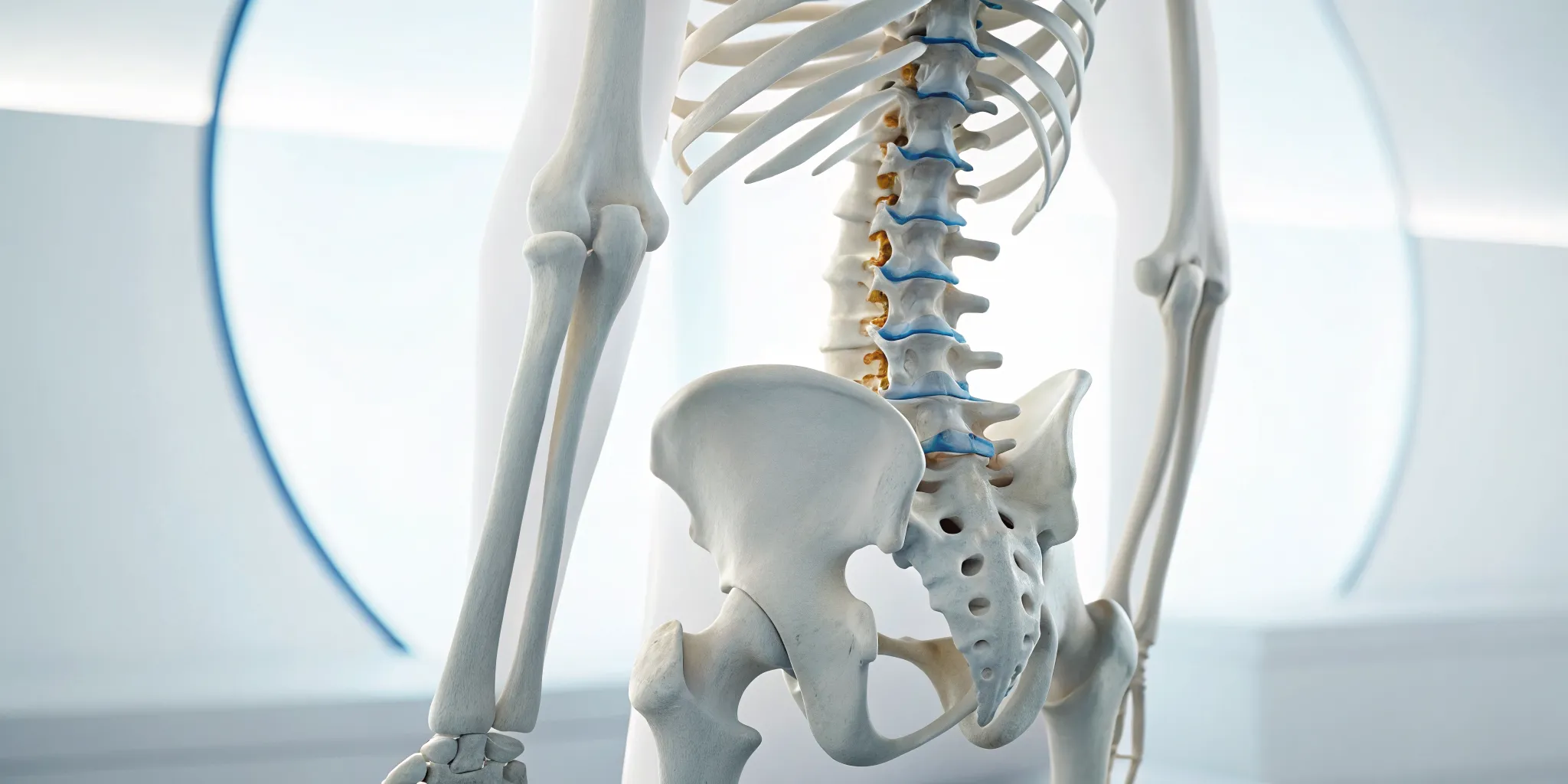
Back pain doesn’t just hurt; it disrupts your entire life. It can make sitting at your desk a struggle, turn a walk in the park into a painful ordeal, and steal the simple joy of a good night’s sleep. When your mobility is limited, your world can start to feel smaller. Many of these issues stem from a single, underlying problem: excessive pressure on your spinal column. Non-surgical spinal decompression is a treatment focused entirely on relieving that pressure. By creating space within the spine, it helps alleviate the pain that’s holding you back. This guide explores how decompression for back pain can be the key to not just feeling better, but getting back to the activities and life you love.
Key Takeaways
- Relieve Pressure to Promote Healing: Non-surgical spinal decompression gently stretches the spine to create negative pressure. This vacuum-like effect helps pull herniated or bulging disc material back into place and allows healing nutrients to enter the disc.
- Find Relief from Specific Conditions: This therapy is highly effective for chronic pain stemming from specific issues like herniated discs, sciatica, and degenerative disc disease because it directly targets the spinal compression that causes your symptoms.
- Choose a Safe and Effective Surgical Alternative: You can find lasting relief without the risks, downtime, or long recovery associated with surgery. This non-invasive approach focuses on correcting the underlying problem, not just masking symptoms, for more durable results.
What Is Spinal Decompression?
If you’re dealing with persistent back pain, you’ve likely heard about spinal decompression. It’s a treatment designed to help people find relief from lasting discomfort. Spinal decompression therapy comes in two main forms: nonsurgical and surgical. While both aim to relieve the painful pressure that builds up on your spinal discs and nerves, our focus here is on the non-surgical approach. By gently stretching the spine, this therapy helps take pressure off the affected discs and nerves, which is the first step toward healing and feeling better.
How It Works to Relieve Pain
Think of nonsurgical spinal decompression as a very precise, motorized stretching session for your back. During a session, you lie on a computer-controlled table as it gently pulls your spine. This process helps to change your spine’s position and take pressure off the gel-like cushions, or discs, between your vertebrae. This creates a kind of vacuum effect, or negative pressure, inside the discs.
This negative pressure is key. It can help bulging or herniated discs retract, pulling them away from sensitive nerves. It also allows a flow of oxygen, water, and other healing nutrients into the discs to help them repair naturally. By decompressing the spine, this therapy effectively removes pressure from the spinal discs and nerves, which is how it works to relieve pain and discomfort.
The Problem: Your Spine Under Pressure
So, why does pressure on the spine cause so much trouble in the first place? Your spine is a complex structure of bones, discs, and nerves that work together to support you. When parts of it get injured from an accident, a sports injury, or simply wear down over time, they can start pressing on your spinal cord or the surrounding nerves. That constant pressure is what often causes the sharp pain, numbness, or weakness you might be feeling in your back, legs, or neck.
This pressure is the root cause of many common back-related issues. Spinal decompression therapy is designed to address a variety of painful conditions like bulging discs, degenerative disc disease, herniated discs, pinched nerves, and spinal stenosis. By easing the pressure, the therapy helps create an environment where your body can begin to heal itself.
What Conditions Does Spinal Decompression Treat?
If you’re dealing with persistent back, neck, or leg pain, you know how much it can disrupt your life. Simple things like sitting at a desk, playing with your kids, or even getting a good night’s sleep can feel like monumental tasks. The good news is that many of these issues stem from a common problem: excessive pressure on your spinal discs and nerves. Non-surgical spinal decompression therapy directly addresses this pressure. By gently stretching the spine, this treatment creates a vacuum effect that can pull bulging or herniated material back into the disc and draw in a healing circulation of water, oxygen, and nutrients.
This approach is effective for a variety of spinal issues because it targets the underlying cause of the pain rather than just masking the symptoms. It’s a versatile therapy used to treat everything from the sharp, radiating pain of sciatica to the chronic ache of degenerative disc disease. If you’re experiencing pain from common spinal conditions, decompression might be the solution you’ve been looking for. Instead of just managing discomfort, this therapy aims to create an environment where your body can actually heal itself. Let’s look at some of the specific problems this therapy can help resolve.
Herniated and Bulging Discs
Think of the discs between your vertebrae as tiny jelly donuts. When a disc is healthy, it acts as a cushion. But if the outer wall weakens, the soft, gel-like center can push out, creating a bulge or a full-blown herniation. This displaced material can press on nearby nerves, causing significant pain. Spinal decompression therapy works by gently pulling the spine apart. This creates negative pressure within the disc, which can help retract the bulging or herniated material. It’s like creating a tiny vacuum that encourages the disc to return to its proper shape, taking the pressure off your nerves and giving it a chance to heal.
Sciatica
Sciatica is that unmistakable, often excruciating pain that can travel from your lower back, through your hip, and down your leg. It happens when the sciatic nerve, the longest nerve in your body, gets compressed or irritated. Most often, the culprit is a herniated disc or a bone spur pressing on the nerve root in your lower spine. By decompressing the spine, the therapy creates more space for the nerve, relieving the pressure that causes the pain, numbness, tingling, or weakness associated with sciatica. This allows the nerve to calm down and the inflammation to subside, providing much-needed relief from those shooting pains. Many types of spinal injuries can lead to sciatica, making decompression a valuable treatment option.
Degenerative Disc Disease
The term “degenerative disc disease” sounds a bit scary, but it’s a common condition that happens as we age. Over time, our spinal discs can lose hydration, becoming thinner, weaker, and less able to absorb shock. This can lead to chronic pain, stiffness, and reduced mobility. Spinal decompression helps counteract this process by gently stretching the spine. This action promotes the diffusion of water, oxygen, and nutrient-rich fluids back into the discs, a process called rehydration. This can help restore some of the disc height and cushioning, slowing the degeneration process and reducing the associated pain.
Spinal Stenosis and Pinched Nerves
Spinal stenosis is the narrowing of the spaces within your spine, which can put pressure on the nerves that travel through it. This “pinching” of the nerves can cause pain, tingling, numbness, and muscle weakness, not just in your back but also in your arms and legs. Non-surgical spinal decompression is an excellent way to address this. The therapy works to gently stretch and open up the spinal column, creating more room in the narrowed areas. This eases the pressure on the spinal cord and nerve roots, allowing them to function without irritation. By creating more space, decompression can significantly reduce the painful symptoms of stenosis and pinched nerves.
Try These At-Home Spinal Decompression Exercises
When back pain strikes, finding immediate relief is a top priority. While professional treatment is the best way to address the root cause of chronic pain, you can use gentle at-home exercises to ease tension and create temporary space in your spine. These movements are designed to be simple and effective, helping to decompress your spine and offer a moment of relief.
Before you begin, find a comfortable spot and remember to move slowly and intentionally. Your body is your best guide, so listen to its signals. If you feel any sharp or sudden pain, stop immediately. These exercises should feel like a gentle release, not a strain. Think of them as a supportive tool in your wellness kit. They can be especially helpful for managing discomfort from various injuries or daily stiffness. For persistent or severe pain, it’s always best to consult with a specialist who can provide a proper diagnosis and a personalized treatment plan.
Knee-to-Chest Stretch
This classic stretch is a fantastic way to relieve tension in your lower back. To start, lie on your back on a comfortable, flat surface. Gently pull one knee toward your chest, using your hands to guide it until you feel a comfortable stretch. Keep your other leg extended straight on the floor. Hold this position for 20 to 30 seconds, focusing on steady, deep breaths. Slowly release your leg and repeat the movement on the other side. This simple exercise helps lengthen the lower spine and can ease the tightness that often comes with back pain.
Cat-Cow Stretch
The Cat-Cow stretch is a gentle, flowing movement that helps warm up your spine and improve its flexibility. Begin on your hands and knees with your wrists directly under your shoulders and your knees under your hips. As you inhale, drop your belly toward the floor and lift your head and tailbone, creating a dip in your back (Cow Pose). As you exhale, round your spine toward the ceiling, tucking your chin to your chest (Cat Pose). Continue flowing between these two positions for several cycles, matching your breath to the movement. This is one of the most effective spinal decompression exercises for relieving tension.
Child’s Pose
Child’s Pose is a restorative yoga posture that provides a gentle stretch for your entire back. Kneel on the floor, sit back on your heels, and fold forward, resting your torso on your thighs. You can stretch your arms forward or rest them alongside your body. Allow your forehead to rest on the floor and breathe deeply, feeling your back expand with each breath. This pose helps to elongate the spine and calm the nervous system, making it an excellent choice for relieving pain from conditions like sciatica. Hold for at least 30 seconds to fully relax into the stretch.
Pelvic Tilts
Pelvic tilts are a subtle but powerful exercise for strengthening your lower back and core muscles, which are essential for spinal support. Lie on your back with your knees bent and your feet flat on the floor, hip-width apart. Rest your arms by your sides. Gently press your lower back into the floor by tightening your abdominal muscles and slightly tilting your pelvis upward. Hold this gentle contraction for a few seconds, then release. Repeat this movement 10 to 15 times. It’s a small motion, but it’s very effective at stabilizing the lumbar spine.
Foam Roller Techniques
A foam roller can be a great tool for massaging tight back muscles and releasing tension. To use it for your upper back, lie on the floor and place the foam roller horizontally beneath your shoulder blades. Place your hands behind your head to support your neck and lift your hips off the floor. Use your feet to gently roll your body back and forth over the roller, moving from your mid-back to the top of your shoulders. This helps to work out knots and improve mobility in the thoracic spine. Avoid rolling on your lower back, as this can cause strain.
Chair Traction
You can create a simple form of traction using a sturdy chair. Sit on the very edge of the chair and grip the sides or armrests firmly. Plant your feet on the floor. While keeping your arms straight, slowly lift your hips and allow your lower body to hang down, using your arm strength to support your weight. You should feel a gentle stretch and decompression in your lower back. Hold this position for 20 to 30 seconds, breathing normally. This technique uses gravity to help relieve pressure on the lumbar discs.
Professional Non-Surgical Spinal Decompression Therapies
When at-home stretches aren’t cutting it, it might be time to explore professional treatments. Non-surgical spinal decompression is a category of therapies designed to relieve back pain without invasive procedures. These treatments are performed by trained professionals, like chiropractors or physical therapists, using specialized equipment to gently stretch the spine. This process helps take pressure off your spinal discs and nerves, offering a path to relief for many chronic conditions. Let’s look at some of the most common professional options available.
Motorized Traction and Mechanical Decompression
Think of motorized traction as a sophisticated, controlled stretch for your spine. During this therapy, you lie on a specialized table, and a harness is comfortably fitted around your pelvis or trunk. A computer-controlled system then gently and slowly pulls, creating negative pressure within your spinal discs. This vacuum effect can help retract bulging or herniated disc material and draw in water, oxygen, and nutrients to promote healing. It’s a safe and effective way to elongate the spine, which can relieve the tension that causes pain and discomfort in your back, neck, or legs.
DRX9000 Spinal Decompression Therapy
The DRX9000 is a highly advanced form of motorized traction, representing the cutting edge of non-surgical spinal decompression. This system uses a sophisticated computer to apply precise and targeted force, isolating specific spinal segments for treatment. Unlike basic traction, the DRX9000 continuously monitors your body’s response and adjusts the pull to prevent muscle guarding, ensuring a more effective and comfortable session. Research has shown this type of therapy to be successful in a high percentage of patients. Learning exactly how it works reveals why it’s a trusted solution for lasting relief from disc-related pain.
Chiropractic Adjustments
Chiropractic adjustments are often paired with spinal decompression to create a more comprehensive healing plan. While decompression focuses on creating space and relieving pressure on your discs, chiropractic adjustments focus on restoring proper motion and alignment to the joints of the spine. When your vertebrae are out of alignment, it can cause nerve irritation and muscle tension. A chiropractor uses gentle, targeted manipulations to correct these misalignments. Combining these two therapies addresses both the disc and the joint, helping you find relief and improve your overall spinal health. Our spinal wellness team can determine the right combination of care for you.
Inversion Therapy
You may have seen inversion tables advertised for at-home use. This form of therapy involves strapping yourself to a table and tilting it to hang partially or fully upside down, using gravity to decompress the spine. While some people find temporary relief this way, it offers less control and precision than professional motorized decompression. It can also raise blood pressure, making it unsuitable for everyone. Professional therapies like the DRX9000 are generally considered safer and more effective because they apply a targeted, adjustable force. While inversion therapy is more affordable than surgery, it’s important to discuss it with a doctor before trying it.
Complementary Therapies to Enhance Results
Spinal decompression is powerful on its own, but its effects can be even greater when combined with other therapies. Research shows that patients experience significant improvements in pain, mobility, and quality of life when decompression is paired with routine physical therapy. A complete treatment plan might include strengthening exercises for your core and back muscles, massage therapy to release tight muscles, or heat and ice therapy to reduce inflammation. These complementary treatments help stabilize the spine and support the healing initiated by decompression, leading to more durable and long-lasting results for various conditions.
What to Expect from Your Treatment Plan
Non-surgical spinal decompression is a process, not a quick fix. A typical treatment plan involves a series of sessions over several weeks. You can expect to come in for about 15 to 20 sessions, each lasting around 30 minutes. During the treatment, you’ll lie comfortably on the decompression table while the system does its work. Many patients find the sessions relaxing. Studies show that patients experience significant pain reduction over the course of their treatment plan. Your provider will create a personalized plan based on your specific injuries and goals, guiding you through each step of your recovery journey.
Why Choose Non-Surgical Spinal Decompression?
If you’re weighing your options for back pain relief, you’ve likely come across both surgical and non-surgical treatments. While surgery has its place, exploring a non-invasive path first can be a game-changer for your health, comfort, and peace of mind. Non-surgical spinal decompression stands out as a powerful alternative, offering a way to address the root cause of your pain without the risks and recovery time associated with surgery. It’s about working with your body’s natural healing ability to create space, relieve pressure, and help you get back to living your life. Let’s look at a few of the biggest reasons why so many people choose this gentle, effective approach.
Experience Pain Relief and Improved Mobility
The primary goal of spinal decompression is simple: to relieve the pressure that’s causing your pain. By gently stretching the spine, the therapy creates negative pressure within your spinal discs. This process helps retract bulging or herniated discs, taking pressure off pinched nerves and other sensitive structures. For many people, this translates into significant pain reduction and a noticeable improvement in mobility. Suddenly, daily movements that were once difficult or excruciating, like bending over, walking, or even just sitting comfortably, become easier. This relief can make a world of difference for people with chronic conditions like sciatica or degenerative disc disease, allowing you to move more freely and confidently.
Avoid the Side Effects of Surgery
The thought of spinal surgery can be daunting. It often involves significant risks, a long and painful recovery period, and no guarantee of success. Non-surgical spinal decompression offers a safe, FDA-approved alternative that lets you sidestep these concerns entirely. There are no incisions, no anesthesia, and no hospital stays. Instead, the treatment is a gentle, controlled process that many patients find relaxing. The DRX9000 system, for example, provides a precise and comfortable therapy session. Choosing a non-surgical route means you can avoid the potential complications of surgery and get back to your daily routine much faster, without the extensive downtime.
Find Long-Term Relief
Unlike pain medications that only mask symptoms, non-surgical spinal decompression aims to correct the underlying problem. By creating space in the spine, it promotes the flow of water, oxygen, and nutrient-rich fluids into the discs so they can heal. This focus on healing, rather than just managing pain, is why the therapy can provide lasting results. Research has shown that spinal decompression can be successful for a high percentage of patients, with many experiencing long-term relief from their chronic pain. Achieving these results often depends on a comprehensive treatment plan, and working with an experienced spinal therapy chiropractor is key to developing a strategy for your lasting wellness.
How Long Until You See Results?
It’s natural to wonder how quickly you’ll feel better. While some patients report relief after just a few sessions, spinal decompression is a cumulative process. Think of it as your spine getting healthier with each visit. Lasting results take time and consistency. Research indicates that many patients experience a significant reduction in pain after an average of 15 sessions. However, your journey is unique. The exact timeline can vary depending on several factors, including the severity of your condition, your overall health, and the specific type of spinal injury you have. Your provider will create a personalized treatment plan and give you a realistic idea of what to expect.
When Is Surgical Spinal Decompression Necessary?
While non-surgical options like the DRX9000 are highly effective for many people, there are times when surgery becomes a necessary conversation. Typically, surgery is considered a last resort, reserved for cases where conservative treatments have not provided adequate relief or when symptoms are severe and progressive. This can include situations with significant nerve compression causing muscle weakness, loss of bladder or bowel control, or pain that is debilitating and unresponsive to other therapies.
The goal of surgical decompression is the same as its non-surgical counterpart: to relieve pressure on the spinal cord or nerves. However, it achieves this through invasive procedures that physically alter the spine. If you’re dealing with persistent and severe pain from various spinal conditions, your doctor might discuss these surgical options with you. It’s a big decision, and understanding what each procedure involves is the first step in making an informed choice about your health and well-being.
Discectomy and Microdiscectomy
When a herniated disc is the source of your pain, a surgeon might recommend a discectomy. This procedure involves removing the portion of the disc that is pressing on a nerve. Think of it as trimming away the bulging part of the disc to give the nerve root more space. A microdiscectomy is a more modern, minimally invasive version of this surgery. By using a special microscope and small instruments, the surgeon can perform the procedure through a tiny incision. This often means less damage to the surrounding muscle and tissue, which can lead to a quicker recovery time for patients.
Laminectomy
A laminectomy is a procedure designed to treat spinal stenosis, a condition where the spinal canal narrows and puts pressure on the spinal cord and nerves. During this surgery, a portion of the lamina (the bony arch of your vertebra) is removed. This removal creates more room within the spinal canal, effectively “decompressing” the nerves and relieving the associated pain, numbness, or weakness. By opening up this space, a laminectomy can significantly reduce the symptoms of spinal stenosis and improve your ability to move without pain.
Spinal Fusion
Spinal fusion is a surgical technique used to permanently connect two or more vertebrae in your spine, eliminating motion between them. This procedure is often performed to address instability that can result from conditions like degenerative disc disease or to stabilize the spine after another decompression surgery, like a discectomy. The idea is that if the painful spinal segment doesn’t move, it shouldn’t hurt. During the procedure, a bone graft is placed between the vertebrae, which helps them heal together into a single, solid bone over time.
Understanding Surgical Risks, Recovery, and Outcomes
Every surgery comes with potential risks, and spinal procedures are no exception. These can include infection, bleeding, blood clots, or even nerve damage. Recovery is also a major consideration. The time it takes to get back to your normal activities can range from weeks to months, depending on the specific surgery and your individual healing process. While many people report significant pain relief after surgery, it’s important to have a realistic conversation with your doctor about the potential outcomes and what recovery will look like for you. Understanding these factors helps you weigh the pros and cons against non-invasive options like DRX9000 therapy.
Is Non-Surgical Spinal Decompression Right for You?
Deciding on a treatment for back pain is a big step, and it’s natural to have questions. You want to know if a therapy will work for you, what the risks are, and how it fits into your life. Non-surgical spinal decompression is a powerful option for many people, but it’s not a one-size-fits-all solution. Let’s walk through what makes someone a good candidate, who should explore other options, and what you can expect from the process. This will help you have a more informed conversation with a specialist about your path to feeling better.
Are You a Good Candidate?
If you’re dealing with persistent back, neck, or leg pain, you might be an excellent candidate for this therapy. Non-surgical spinal decompression is particularly effective for specific conditions like herniated or bulging discs, sciatica, degenerative disc disease, and spinal stenosis. The treatment is designed to gently stretch the spine, which creates negative pressure within the discs. This process can help retract bulging disc material and take pressure off your nerves and other spinal structures. Research shows that therapy is highly effective in reducing back pain by relieving this built-up pressure. If you’ve been told that your pain is coming from a compressed disc or nerve, this could be the treatment that finally brings you relief.
Who Should Avoid This Therapy?
While spinal decompression is a safe and FDA-approved treatment for many, it isn’t suitable for everyone. Certain conditions can make the therapy unsafe, so it’s important to be transparent about your full medical history. Generally, you should avoid this therapy if you are pregnant, have severe osteoporosis, advanced spinal instability, or a spinal fracture. People with spinal tumors, infections, or certain types of surgical hardware like screws or plates may also not be candidates. Don’t let myths discourage you; spinal decompression is a gentle, non-surgical option for most people seeking relief from chronic pain. The best way to know for sure is to have a thorough evaluation with a qualified specialist who can review your case and explain exactly how DRX9000 works.
What Is the Cost of Treatment?
Thinking about the cost of medical care is practical, and it’s a valid part of your decision-making process. The exact cost of non-surgical spinal decompression varies from person to person, as it depends on your specific condition, the number of sessions you’ll need, and your insurance coverage. However, it’s helpful to know that spinal decompression therapy is often more affordable than surgical alternatives, which can come with high price tags for hospital stays, anesthesia, and extensive recovery time. The best first step is to schedule a consultation. A specialist can create a personalized treatment plan for you and provide a clear breakdown of the costs involved, helping you see it as an investment in your long-term health and mobility.
Find Spinal Decompression Care in Chicago
When you’re ready to take the next step, finding the right provider is key. You want a team that is experienced, uses state-of-the-art technology, and truly listens to your concerns. The good news is that the treatment has a high rate of success. Studies have shown that spinal decompression can be successful in 71% to 89% of patients, offering a promising outlook for those who have been living with pain. If you’re in the Chicago area, our award-winning spinal wellness chiropractic team at DRX Chicago specializes in DRX9000 therapy. We are dedicated to helping our community find non-surgical relief from pain. We invite you to schedule a consultation to determine if this life-changing therapy is the right fit for you.
Frequently Asked Questions
What does a spinal decompression session feel like? Is it painful? Not at all. Most people find the treatment quite gentle and relaxing. You will lie on a comfortable, computer-controlled table. As the therapy begins, you will feel a slow, mild stretching sensation in your back or neck as the machine works to create space in your spine. The system is designed to be very precise, so it avoids causing the muscle tensing or discomfort you might expect. Many patients even find the sessions so calming that they can rest or nap.
How is professional decompression different from using an inversion table? While both use gravity and stretching to create space in the spine, professional therapy like the DRX9000 is far more targeted and controlled. An inversion table applies a general, static pull to your entire spine. In contrast, a professional system uses a computer to apply a specific, calculated force to the exact spinal segment that needs it. It also monitors your body’s reaction in real time to ensure the pull is effective and comfortable, which is something an inversion table simply cannot do.
How many sessions will I need before I start to feel better? While some people report feeling a difference after just a few visits, spinal decompression provides cumulative benefits. Lasting relief comes from consistently helping the discs heal over time. A typical treatment plan involves a series of sessions over several weeks. Your progress depends on your specific condition, its severity, and your body’s unique healing response. During your consultation, we can give you a more personalized timeline based on your individual needs.
Is this therapy the same as a standard chiropractic adjustment? No, they are different but complementary treatments. A chiropractic adjustment focuses on restoring proper motion and alignment to the joints of your spine. Spinal decompression, on the other hand, focuses specifically on relieving pressure on the discs between your vertebrae. Think of it this way: adjustments help with joint function, while decompression helps with disc health. We often use them together in a treatment plan to address your spinal health from multiple angles for the best possible results.
How can I determine if non-surgical spinal decompression is the right choice for me? The best way to find out is through a thorough consultation and examination. This therapy is highly effective for issues caused by pressure on your spinal discs, like herniated discs, sciatica, or degenerative disc disease. However, it is not suitable for everyone, including pregnant women or individuals with certain types of spinal hardware. A detailed assessment allows a specialist to understand your pain, review your medical history, and determine if you are a good candidate for the treatment.