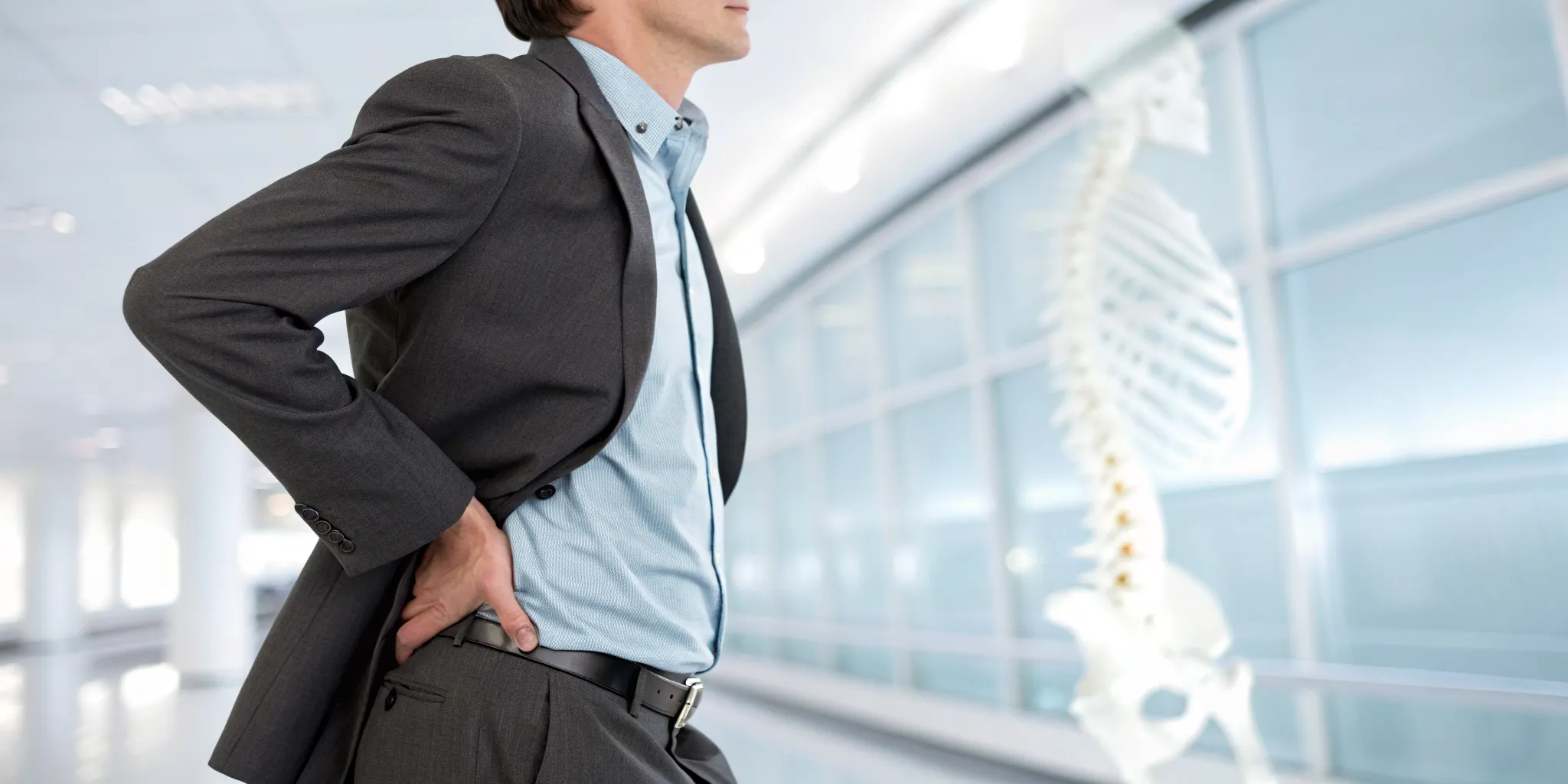
That sharp, shooting pain traveling from your lower back down your leg has a name, and it’s often a tell-tale sign of a specific problem. While many things can cause back pain, this radiating discomfort frequently points to a nerve being irritated by a herniated disc. It’s a distinct feeling that’s hard to ignore, and it’s your body’s way of sending a clear signal that something needs attention. Instead of guessing what’s wrong, it’s time to get clear answers. This article will explain why a herniated disc and back injury can cause symptoms in your legs or arms, what those sensations mean, and what you can do to find targeted relief.
Key Takeaways
- A Herniated Disc Is a Nerve Problem: The pain you feel isn’t from the disc itself, but from the disc material pressing on a sensitive spinal nerve. This is why symptoms often travel down your arm or leg, far from the actual injury in your spine.
- Surgery Is Rarely the First Step: Most herniated discs heal without invasive procedures. Effective, non-surgical treatments like chiropractic care, physical therapy, and spinal decompression focus on relieving nerve pressure and creating the right environment for your body to heal itself.
- Prevention Starts with Smart Habits: Once your pain is managed, you can prevent future injuries by building a strong core, being mindful of your posture, and using proper lifting techniques. These daily habits create a support system for your spine and are key to long-term back health.
What Is a Herniated Disc?
If you’ve ever heard someone talk about a “slipped” or “ruptured” disc, they were likely talking about a herniated disc. It’s a very common source of back, neck, and leg pain, but the term itself can sound a little scary. Let’s clear up what a herniated disc actually is, how it happens, and how it’s different from a bulging disc. Understanding the basics is the first step toward finding the right path to relief.
A Quick Look at Your Spinal Discs
Think of your spine as a stack of bony building blocks called vertebrae. In between each bone, you have a soft, cushiony pad called a spinal disc. These discs act like little shock absorbers, protecting your spine from daily stress while allowing you to bend and twist. Each disc has a tough, fibrous outer ring and a soft, gel-like center. When they’re healthy, they provide the support and flexibility you need for comfortable movement. Over time, wear and tear or an injury can damage these discs, leading to a range of spinal conditions that cause pain and limit your mobility.
How Does a Disc Herniate?
A disc herniates when a tear or crack forms in its tough outer wall, allowing some of the soft, jelly-like center to push its way out. This leaked material can press directly on the spinal cord or, more commonly, on the sensitive nerves that branch out from it. This pressure and the inflammation it causes are what trigger the pain. It’s not the disc itself that hurts, but rather the nerve it’s irritating. Relieving this nerve pressure is what our non-surgical spinal decompression therapy is designed to do, creating space for the disc to heal and the nerve to calm down.
Herniated vs. Bulging Disc: What’s the Difference?
You might hear the terms “herniated disc” and “bulging disc” used interchangeably, but they describe slightly different situations. A bulging disc is like a tire that has a weak spot causing it to bulge outward; the disc swells and protrudes, but its outer wall remains intact. A herniated disc, on the other hand, is when that outer wall actually ruptures or tears, letting the inner gel leak out. While both can press on nerves and cause similar symptoms, a herniation is technically a more advanced stage of disc damage. Both conditions can happen gradually over time or suddenly from specific injuries.
Where Do Herniated Discs Happen?
While a herniated disc can technically occur anywhere along your spine, they have a strong preference for two specific areas. Think of your spine as having three main regions: your neck (cervical spine), your mid-back (thoracic spine), and your lower back (lumbar spine). The vast majority of disc problems happen in the sections that do the most work, your neck and lower back.
These areas are responsible for most of your daily movement, from bending over to tie your shoes to turning your head to check a blind spot. This constant motion and weight-bearing stress make the discs in your neck and lower back more vulnerable to injury and wear over time. Understanding where your pain is coming from is the first step toward finding the right path to relief.
In Your Lower Back (Lumbar Spine)
If you have a herniated disc, there’s a very high chance it’s in your lower back. In fact, about 95% of all herniated discs happen in the lumbar spine. This area carries the most body weight and endures a tremendous amount of stress from lifting, twisting, and even just sitting for long periods. All that pressure can eventually cause the soft center of a disc to push through its tougher exterior.
When a disc herniates in your lower back, it often presses on the sciatic nerve. This can cause the classic, tell-tale symptom of sciatica: a sharp, shooting pain that travels from your buttock down the back of your leg. You might also feel numbness, tingling, or weakness in your leg or foot. These are some of the most common conditions we see and help manage.
In Your Neck (Cervical Spine)
The second most common location for a herniated disc is your neck, or cervical spine. Your neck has the incredible job of supporting the full weight of your head (about 10 to 12 pounds) while allowing for a wide range of motion. This combination of weight-bearing and flexibility makes it another prime spot for disc issues.
A herniated disc in your neck can cause a variety of symptoms, often felt in your upper body. You might experience a sharp pain in your shoulder blade or pain that radiates down your arm into your hand and fingers. Numbness, tingling, and weakness in your arm or hand are also common. These symptoms can arise from sudden injuries like whiplash or develop gradually from poor posture, such as spending hours hunched over a computer.
In Your Mid-Back (Thoracic Spine)
It’s very rare to have a herniated disc in your mid-back, also known as the thoracic spine. This section of your spine is much more rigid and stable compared to your neck and lower back. The reason for this stability is the rib cage, which attaches to the thoracic vertebrae and acts like a protective shield, limiting movement and protecting the discs from the kind of stress that causes herniation.
Because this area is so well-supported, a thoracic herniated disc usually only happens as a result of significant force or trauma. While it’s an uncommon issue, it’s still important to get an accurate diagnosis to rule it out. Advanced therapies can effectively target specific spinal segments, and understanding how it works can give you confidence in your treatment plan, no matter where the problem lies.
What Does a Herniated Disc Feel Like?
A herniated disc can feel different for everyone, depending on where it is and how severely it’s pressing on a nerve. The symptoms aren’t always confined to your back; in fact, they often show up in your arms or legs. Understanding these signs is the first step toward finding the right path to relief.
Pain That Travels: Common Symptom Patterns
One of the most distinct signs of a herniated disc is pain that radiates from your spine to other parts of your body. Because the disc material can press on the nerves branching out from your spinal cord, you might feel discomfort far from the actual injury. If the problem is in your lower back, you may experience a sharp, shooting pain that travels down your buttock and into your leg. This is a classic symptom of sciatica, a common condition caused by nerve compression. If the herniated disc is in your neck, the pain can radiate through your shoulder and down your arm, sometimes into your fingers.
Numbness, Tingling, and Weakness
Pain isn’t the only sensation a compressed nerve can cause. Many people also report numbness, tingling, or a “pins and needles” feeling along the nerve’s path. You might notice that part of your leg or foot feels like it has “fallen asleep.” Along with these sensations, you may experience muscle weakness in the affected limb. This can make it difficult to grip objects, lift your foot when you walk, or stand on your toes. These symptoms are important clues that can help a doctor pinpoint which nerve is affected and determine the source of your spinal injuries.
When to Seek Emergency Care
While most herniated disc symptoms can be managed effectively, some are red flags for a serious medical emergency that requires immediate attention. Go to the nearest emergency room if you experience any loss of bladder or bowel control. Another critical symptom is numbness in the areas that would touch a saddle if you were riding a horse: your inner thighs, groin, and the area around your rectum. This is called “saddle anesthesia.” You should also seek urgent care if you notice progressive weakness in your legs that makes it hard to stand or walk. While our spinal wellness team is here to help you manage your pain, these specific symptoms require immediate medical evaluation.
What Causes a Herniated Disc?
A herniated disc doesn’t always happen because of one dramatic event. Sometimes, it’s the result of a sudden injury, but often it’s caused by a gradual process. Understanding the root cause is the first step toward finding the right path to relief. Let’s look at some of the most common reasons a disc can become herniated.
The Natural Aging Process
As we get older, our spinal discs naturally change. Think of them like tiny, water-filled cushions. Over time, they slowly lose some of that water content, becoming less flexible and a bit drier. This process, known as disc degeneration, is a normal part of aging for everyone. Unfortunately, this makes the tough outer layer of the disc more brittle and susceptible to tears or cracks, even from a simple movement like twisting or bending. It’s not something you did wrong; it’s simply how our bodies evolve. Many of the spinal conditions we see are related to this natural wear and tear.
Sudden Injuries and Accidents
Sometimes, a herniated disc is the direct result of a sudden, forceful trauma to your spine. A car accident, a hard fall on the ice, or a sports-related impact can place an immense amount of pressure on your spinal discs, causing one to rupture or shift out of place instantly. Even lifting a single heavy object with poor form can be the final straw that causes a disc to herniate. These acute injuries can happen to anyone, regardless of age or physical condition, and the pain is often immediate and intense. The force is simply too much for the disc’s structure to handle all at once.
Everyday Strain and Poor Posture
More often than not, a herniated disc is the result of accumulated stress over months or years. Think about how you sit at your desk, stand in line, or lift your groceries. Small, repetitive movements and poor posture add up, putting consistent, uneven pressure on your spine. Using your back muscles to lift instead of your legs, or twisting your torso while carrying something heavy, are common culprits. This gradual wear and tear slowly weakens the disc wall. Eventually, a simple action like a sneeze or bending over to tie your shoe can be enough to cause the final herniation.
How Your Job and Lifestyle Play a Role
Your daily routine can significantly influence your risk of developing a herniated disc. If you have a physically demanding job that involves repetitive lifting, bending, or twisting, you’re putting continuous strain on your lower back. On the other hand, a sedentary lifestyle can be just as problematic. Sitting for long hours can weaken your core and back muscles, which are essential for supporting your spine. Excess body weight also adds constant pressure to the discs in your lower back. The good news is that our spinal wellness team can help you understand these factors and create a plan for a healthier back.
How Do Doctors Diagnose a Herniated Disc?
If you’re dealing with persistent back or neck pain, getting an accurate diagnosis is the most important first step toward feeling better. Trying to figure it out on your own can be stressful, but a professional evaluation gives you a clear picture of what’s happening in your body. The diagnostic process isn’t as intimidating as it might sound; it’s a systematic way for a doctor to connect your symptoms to their source.
The journey to a diagnosis usually starts with a detailed conversation about your pain, your medical history, and how your symptoms are affecting your daily life. From there, your doctor will perform a physical exam to check how your body is moving and functioning. In many cases, imaging tests like an MRI are used to get a look inside your spine and confirm the diagnosis. Putting all these pieces together requires an expert eye, which is why finding a team you trust is so important. The spinal wellness chiropractors at DRX Chicago can guide you through each step of this process, ensuring you understand what’s going on and what your options are for relief.
What to Expect During a Physical Exam
A physical exam is a hands-on way for your doctor to gather clues about the source of your pain. It’s a non-invasive and essential part of the diagnostic process. During the exam, your doctor will likely ask you to move in certain ways to check your range of motion and see which movements trigger your pain. They will also test your reflexes, muscle strength, and your ability to feel sensations like a light touch in your arms or legs. This isn’t just a random series of tests; each one provides valuable information about your nerve health. For example, diminished reflexes or muscle weakness can point directly to which nerve root in your spine might be compressed by a herniated disc.
A Closer Look: MRI, CT Scans, and X-Rays
While a physical exam provides a lot of information, imaging tests allow your doctor to see exactly what’s happening inside your spine. The most effective tool for diagnosing a herniated disc is an MRI (Magnetic Resonance Imaging). This scan uses a powerful magnet and radio waves to create detailed pictures of your soft tissues, including your spinal discs and nerves. It can show precisely where a disc has herniated and whether it’s pressing on a nerve.
Sometimes, your doctor might also order an X-ray. While X-rays can’t show soft tissues like discs, they are useful for ruling out other problems like fractures or bone spurs. A CT (Computed Tomography) scan is another option that creates more detailed images than an X-ray, but an MRI is generally the preferred method for identifying disc-related conditions.
Understanding Your Imaging Results
Getting your imaging results can feel like a defining moment, and an MRI is often what confirms a herniated disc diagnosis. The report will describe the location and size of the herniation, giving your doctor a clear map of the problem area. However, the image itself is only one part of the story. A skilled clinician will interpret your scan results in the context of your physical exam findings and the specific symptoms you’re experiencing. This comprehensive approach ensures your treatment plan is tailored to you, not just your scan. Understanding the root cause of your pain is the first step toward finding an effective, non-surgical solution like DRX9000 spinal decompression.
Finding Relief: Your Treatment Options
When you’re dealing with the pain of a herniated disc, your main goal is to feel better. The good news is that you have several paths to get there, and most don’t involve surgery. Finding the right approach often means starting with simple, conservative steps and moving on to more specialized care if needed. Think of it as a ladder of options, where you can climb to the next rung until you find what works for you. Let’s walk through the most common treatment options so you can feel confident about your next steps toward relief.
First Steps: At-Home Care
For many people, the healing process starts right at home. It might be reassuring to know that the vast majority of herniated discs get better without surgery. Your doctor will likely recommend a combination of rest, gentle activity, and over-the-counter anti-inflammatory medication. While it’s tempting to stay in bed, alternating short periods of rest with light movement, like walking, can prevent stiffness and help you recover faster. Applying ice packs can reduce inflammation and numb sharp pain, while a heating pad can relax tight muscles. These simple, initial steps can make a big difference in managing your symptoms as your body begins to heal.
Medication and Injection Options
If at-home care isn’t cutting it, your doctor might suggest other options to manage the pain and inflammation. Over-the-counter medications like ibuprofen or naproxen are often the first line of defense. If your pain is more severe or involves muscle spasms, a prescription pain reliever or muscle relaxant may be necessary. For targeted relief, some people find success with epidural steroid injections. A doctor injects a corticosteroid near the affected spinal nerves to calm inflammation directly at the source. These diagnosis and treatment options are meant to break the pain cycle so you can comfortably participate in other therapies.
Hands-On Help: Physical Therapy and Chiropractic Care
Once your initial pain is under control, it’s time to address the root of the problem. Physical therapy is crucial for strengthening the muscles that support your spine, improving your flexibility, and teaching you how to move in ways that prevent future injury. A physical therapist will create a personalized exercise plan for you. Similarly, chiropractic care can be incredibly effective. A chiropractor focuses on restoring proper alignment to your spine, which can take pressure off the affected disc and nerves. Our spinal therapy chiropractors use gentle, precise adjustments to improve your body’s overall function and support its natural healing process.
A Non-Surgical Solution: Spinal Decompression Therapy
For persistent pain that doesn’t respond to other conservative treatments, there’s a highly effective, non-surgical option: spinal decompression. This modern therapy is designed to directly address the herniated disc without an incision. Using a specialized table, it gently stretches your spine, creating negative pressure within the disc. This vacuum effect can help pull the bulging or herniated material back into place and away from your nerves. At DRX Chicago, we use the state-of-the-art DRX9000 system to provide this precise, comfortable, and targeted relief. You can learn more about how it works and how it encourages the flow of healing nutrients to the disc.
Considering Surgery: When Is It the Right Call?
Surgery is typically seen as a last resort for herniated discs. Most doctors will recommend exploring all conservative treatments for several months before even discussing a surgical procedure. However, it may become the right call if you experience severe symptoms like significant muscle weakness, loss of bladder or bowel control, or debilitating pain that doesn’t improve with any other therapy. These are considered “red flag” symptoms that require immediate attention. For the vast majority of people, a combination of non-surgical treatments is enough to manage their spinal conditions and return to a pain-free life.
Why You Shouldn’t Wait to Get Help
When back pain strikes, it’s tempting to adopt a “wait and see” approach. We tell ourselves it’s probably just a pulled muscle or that it will go away on its own with a little rest. While that’s sometimes true, ignoring persistent or radiating pain can allow a small problem to become a much bigger one. A herniated disc, for example, won’t get better with wishful thinking. The best thing you can do is get a clear and accurate diagnosis from a qualified professional who specializes in spinal health.
Putting off a visit can limit your future treatment options and may lead to a longer, more difficult recovery. An early and correct diagnosis is the first step toward a personalized treatment plan that actually works. A spine specialist can pinpoint the exact cause of your pain and recommend the most effective, least invasive path forward. Our spinal wellness chiropractic team is experienced in identifying the root cause of back pain and creating plans that help you feel better and prevent future issues. Don’t let uncertainty dictate your health; getting answers is the most powerful first step you can take.
Keeping Your Treatment Options Open
Many people delay seeking help for back pain because they fear the only solution is surgery. The good news is that surgery is rarely the first-line treatment for a herniated disc. In fact, most people find significant relief through non-surgical methods. These options can include targeted physical therapy, chiropractic adjustments, lifestyle modifications, and other innovative procedures designed to promote healing without invasive measures. By addressing the issue early, you keep all of these conservative treatments on the table. The sooner you get a diagnosis, the more choices you have for addressing a wide range of spinal conditions and getting back to a pain-free life.
How to Prevent Worsening Pain and Avoid Surgery
One of the biggest myths about a herniated disc is that you need complete bed rest. In reality, staying active with gentle, appropriate movement is often much more beneficial. A targeted care plan from a physical therapist or chiropractor can make all the difference. These hands-on approaches focus on addressing the underlying causes of your pain, not just masking the symptoms. By improving your spinal mobility, restoring muscle strength, and correcting imbalances, you can effectively manage your symptoms. This proactive approach is your best defense against chronic pain from many types of injuries and can help you avoid the need for more invasive procedures down the road.
Red Flag Symptoms You Can’t Ignore
While most herniated disc symptoms can be managed with conservative care, some are signs of a serious medical emergency that requires immediate attention. If you experience a loss of bowel or bladder control, numbness in your “saddle” area (the parts of your body that would touch a saddle), or progressive weakness in your legs, go to the emergency room right away. These “red flag” symptoms can indicate a severe condition called cauda equina syndrome. Even if your symptoms aren’t that extreme, you should never ignore pain that gets progressively worse or doesn’t improve. Persistent pain is your body’s signal that it’s time to see a professional and explore effective treatments like DRX9000 spinal decompression.
Can a Herniated Disc Heal on Its Own?
It’s the big question on everyone’s mind when they get this diagnosis: Will this pain ever go away by itself? The encouraging answer is that for many people, it does. Research shows that a significant number of herniated disc cases can resolve on their own, often within a few weeks to a few months. The body has a remarkable ability to heal, and this includes reabsorbing the part of the disc that has pushed out of place, which reduces inflammation and relieves pressure on your nerves.
However, “healing on its own” doesn’t mean you should just wait it out on the couch. How you manage your symptoms and support your body during this time makes a huge difference in your recovery. Understanding what healing looks like and how to help the process along is key to getting back on your feet faster and with less pain.
The Truth About Rest vs. Staying Active
When you’re in pain, your first instinct might be to lie down and not move a muscle. While a short period of rest can be helpful right after an injury, extended bed rest can actually work against you. When you stay still for too long, your muscles can become stiff and weak, which can make your back pain worse and prolong your recovery.
The goal is to find a balance. Instead of complete bed rest, try to incorporate gentle movement into your day. Short walks, simple stretches, and other low-impact activities keep your muscles flexible and promote blood flow to the injured area, which is essential for healing. Of course, you should always listen to your body and avoid any movements that cause sharp pain. Staying active is a crucial part of recovering from many spinal injuries.
What “Healing” Really Means for a Disc
When we talk about a herniated disc “healing,” it’s helpful to know what that actually means. For most people, it doesn’t mean the disc magically returns to its original, pre-injury state. Instead, healing usually involves the body’s natural processes breaking down and absorbing the herniated material. This reduces the size of the bulge, which in turn takes pressure off the affected nerve root. As the pressure and inflammation subside, so do your symptoms.
The great news is that for about 9 out of 10 people, this process happens without the need for surgery. Non-surgical treatments can play a huge role in supporting this natural healing. Therapies like non-invasive spinal decompression are designed to gently relieve pressure, create space for the disc to retract, and improve the flow of nutrients to the area, giving your body the best possible environment to heal itself.
Coping with the Emotional Toll of Chronic Pain
Living with the pain of a herniated disc is physically draining, but the emotional and mental toll can be just as challenging. It’s easy to feel anxious, frustrated, and even a little hopeless, especially when you’re getting conflicting advice from the internet or well-meaning friends. Misinformation can lead to unnecessary worry and fear about your condition, making it harder to make clear decisions about your care.
Please know that these feelings are completely normal. The first step toward feeling more in control is getting accurate information from a source you can trust. Understanding what is happening in your body and what your options are can reduce anxiety and empower you to take an active role in your recovery. Speaking with a spinal wellness team that specializes in your condition can provide the clarity and confidence you need to move forward.
How to Protect Your Back and Prevent Future Injury
Once you’re on the path to recovery, the focus shifts to keeping your back healthy for the long haul. Preventing a future injury isn’t about bubble-wrapping your life; it’s about building strength and adopting smarter habits. Think of it as investing in your body’s foundation. By making a few conscious changes to your daily routine and physical activity, you can significantly reduce the risk of re-injury and enjoy a more active, pain-free life. These proactive steps empower you to support your spine, so it can continue to support you through everything you do. The following strategies are your toolkit for building a more resilient back.
Build a Stronger, More Resilient Back
Think of your core muscles (your abs, obliques, and lower back) as a natural corset that supports your spine. When these muscles are strong, they take a huge amount of pressure off your spinal discs. Regular, gentle exercise is key. Activities like walking, swimming, or specific core-strengthening exercises can make a world of difference. Maintaining a healthy weight is also one of the kindest things you can do for your back. Extra pounds, especially around your midsection, can pull your pelvis forward and add significant strain to your lower back, increasing the risk of many spinal conditions. Building strength and managing your weight work together to create a powerful defense system for your spine.
Smart Habits for Posture and Daily Life
Your posture is a minute-by-minute conversation you have with your back. Slouching at your desk, hunching over your phone, or sinking into the couch puts continuous stress on your spine. Try to be mindful of your alignment throughout the day. When sitting, keep your feet flat on the floor and your back against the chair. When standing, distribute your weight evenly and imagine a string gently pulling the crown of your head toward the ceiling. Even small changes, like avoiding high heels which can throw your spine out of alignment, add up. If you struggle with posture, our chiropractic team can provide personalized guidance and adjustments to help you find a healthier alignment.
Safe Lifting and Movement Techniques
You’ve probably heard it a million times: “lift with your legs, not your back.” But what does that really mean? It means bending at your knees and hips, not your waist. Keep your back straight, hold the object close to your body, and use the power of your leg muscles to stand up. Avoid twisting your body while lifting, as this combination of movements is a common cause of disc injuries. It’s also important to listen to your body. If an activity like prolonged sitting or bending forward consistently causes pain, it’s a signal to modify that movement or take more frequent breaks. Protecting your back is about moving smarter, not necessarily moving less.
Related Articles
- Understanding Spinal Decompression Therapy: How It Works and Who Can Benefit
- Common Spinal Conditions: What You Need to Know
- Injuries We Treat: From Whiplash to Herniated Discs
- Meet Our Spinal Therapy Chiropractors
Frequently Asked Questions
How is spinal decompression different from other treatments like physical therapy or chiropractic care? Think of it this way: physical therapy and chiropractic care are fantastic for supporting the structures around your spine. Physical therapy strengthens the muscles that act as your back’s support system, while chiropractic adjustments help restore proper alignment. Spinal decompression, however, works directly on the disc itself. It uses gentle, targeted stretching to create negative pressure inside the disc, which can help pull the herniated material back into place and away from the nerve it’s pressing on. The treatments often work very well together.
I haven’t had a major injury. Could my pain still be from a herniated disc? Absolutely. While a sudden accident can certainly cause a disc to herniate, it’s far more common for the issue to develop slowly over time. Years of poor posture, repetitive movements, or the natural aging process can gradually weaken the disc’s outer wall. Then, a simple action like bending over or even sneezing can be the final straw that causes the disc material to push through. So, even if you can’t pinpoint a specific event, your pain is still very real and could easily be from a herniated disc.
How long does it typically take to recover from a herniated disc? Recovery time varies quite a bit from person to person, but many people start to feel significant relief within a few weeks to a few months. The body has a natural ability to heal by slowly reabsorbing the disc material that has leaked out, which takes pressure off the nerve. “Healing” doesn’t mean you should just wait it out, though. Following a targeted treatment plan can help manage your pain and create the best environment for your body to heal itself, which can make the process more comfortable and efficient.
Is a bulging disc just a less serious version of a herniated disc? While a herniated disc is technically a more advanced stage of disc damage, one isn’t always “better” or “worse” than the other in terms of symptoms. A bulging disc is when the disc swells and protrudes outward, but its wall is still intact. A herniated disc is when that wall tears. Both conditions can press on nerves and cause significant pain, numbness, or weakness. The severity of your symptoms really depends on the size of the protrusion and how much it’s irritating a nearby nerve, not just the specific diagnosis.
Once I feel better, what’s the most important thing I can do to prevent the pain from coming back? The single most important thing is to build a strong and stable core. Your abdominal and back muscles act like a natural brace for your spine, taking pressure off your discs during daily activities. Consistently doing gentle core-strengthening exercises, along with being mindful of your posture and using proper form when you lift things, creates a powerful defense against future injury. It’s less about avoiding activity and more about building a resilient foundation so your back can handle whatever you throw at it.