Severe back pain can turn a simple walk through Lincoln Park into an agonizing physical chore. For those seeking to avoid surgery, non-surgical treatment is the key to reclaiming daily mobility.
Spinal decompression sessions at DRX Chicago typically range from 20 to 28 visits scheduled over a period of four to seven weeks. A clinical study on PubMed Central verified that a six-week protocol using this motorized decompression system leads to major pain relief and improved disc height. Each session lasts 30 to 45 minutes, creating negative pressure inside the spine to pull oxygen and water back into the damaged discs. While most patients feel significant relief within their first six visits, completing the full course is vital to ensure long-term recovery and joint health. A comprehensive evaluation by our local Chicago team will determine if you are a qualified candidate for this non-surgical treatment.
If you are dealing with chronic pain, you likely want to know how many visits you will need to find relief. Knowing what to expect from DRX9000 spinal decompression technology can help you prepare. Read on to learn how many visits a typical program requires, why the schedule is graduated, and when you can expect to feel the difference.
Call (773) 868-0347 now to schedule a free consultation and find out how many sessions you may need.
How Many Spinal Decompression Sessions Does a Typical Program Require?
A typical program at DRX Chicago requires 20 to 28 spinal decompression sessions done over 4 to 7 weeks. This proven plan gives the spine enough time to heal, rehydrate, and retract damaged disc tissue.
The DRX9000 Session Timeline
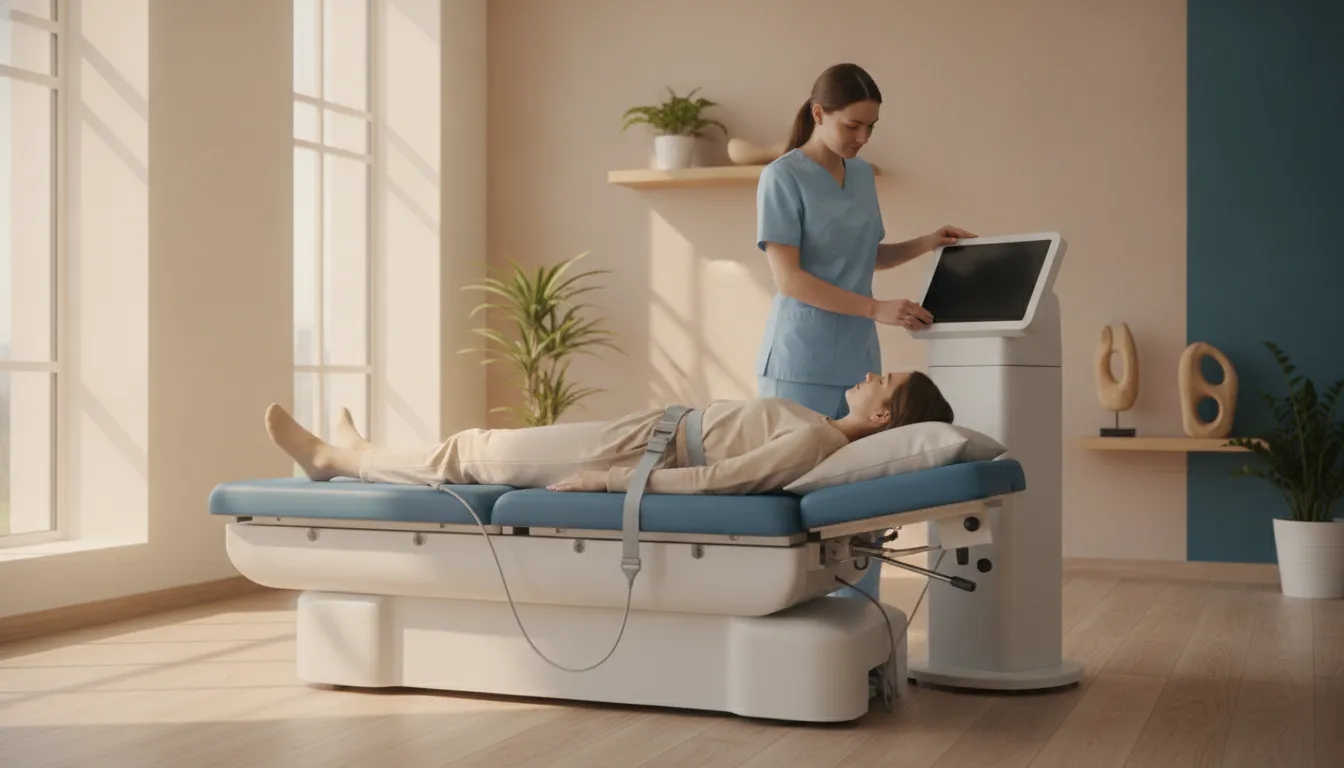
When you begin care, each visit is designed to be highly focused. A single session on the DRX9000 device lasts between 30 and 45 minutes. During this time, the machine uses computer-controlled force to pull the spine. This gentle pull relieves pressure on pinched nerves and herniated discs. To learn more about the machine, read our guide on DRX9000 spinal decompression technology.
Most people need steady visits to achieve lasting relief from pain. A study published in PubMed Central showed that a six-week plan led to major pain relief. It also showed clear gains in spinal disc height of 1.0 to 1.6 millimeters.
Other Practice Program Standards
Other clinics use their own plans for spinal traction. For example, ProCare FL suggests 15 to 25 spinal decompression sessions over 4 to 8 weeks. At Hudson Sport and Spine, they suggest 8 to 12 sessions for basic relief. But severe or stubborn cases there can need 15 or more visits. We believe the 20 to 28 session plan works best for most patients.
These programs are split into clear phases to help you track your progress:
- Daily Phase: Most plans start with daily visits for two weeks to begin healing.
- Three-Times-Weekly Phase: Visits drop to three times a week as the spine heals and pain fades.
- Two-Times-Weekly Phase: The last weeks focus on building strength with two visits per week.
Frequently Asked Questions About Sessions
How much does a full treatment program cost?
A full program often ranges from $2,500 to $4,500. Exact costs depend on your own condition, so we suggest booking an exam to get a clear quote.
Does insurance cover these treatments?
Most health insurance plans do not cover the decompression therapy itself. But other care like your exam may be covered. We also take CareCredit to help with costs.
Why the DRX9000 Protocol Is Graduated and Not Fixed
At DRX Chicago, patients do not receive a standard or fixed plan. Healing takes time. That is why your spinal decompression sessions are graduated and custom. Our team changes your plan as your body heals.
Why fixed schedules fail
A fixed plan treats every back injury the same way. But a severe herniation is not the same as a mild disc bulge. Set schedules can overload the spine. This can lead to painful flare-ups and stall your progress.
Logarithmic pull and pressure
The system uses a computer to pull the spine. This logarithmic pull avoids muscle spasms. It creates a negative intradiscal pressure of -100 to -200 mm Hg inside the disc. This strong vacuum helps to draw in fluids and nutrients. It also pulls herniated disc tissue back into place.
A computerized feedback mechanism makes this work. The device reads body tension and adjusts the pull in real time. It uses segmental distraction to target the exact damaged nerve roots. This prevents the muscles from fighting the machine.
Step-by-step treatment progression
How often you have your sessions changes as your spine heals. A set program fails to account for muscle fatigue. Instead, you follow a path that slowly lowers the number of visits each week.
- The daily phase: You start with daily visits for the first two weeks. This pull keeps the disc under constant pressure. It helps to speed up the flow of water and nutrients to the disc.
- The mid-program transition: In weeks three and four, you drop to three visits per week. This phase lets your spine adapt to the changes. It gives your back muscles time to rest and grow strong.
- The stabilization phase: In the final weeks, you attend only two visits per week. These visits secure your progress and help your body hold the correct posture. They keep your back strong and safe.
This graduated care helps the spine adapt without causing pain. You can read our guide on how the DRX9000 works to learn more about the science of healing. Each step of the process is designed to help you get well safely and avoid surgery.
When Do Most Patients Start Feeling Better?
Many patients feel relief from back pain within the first two to three weeks of steady spinal decompression sessions. But lasting healing usually needs the full twenty-to-twenty-eight session program.
Every person has a unique path to healing, but clinical records show clear patterns in healing times. At DRX Chicago, we track how patients progress from their first visit to their last. Knowing what to expect can help you plan your journey to a pain-free life.
The early relief window
For some, relief comes early. Many people start to notice a change in their pain within the first six visits. In fact, clinical research shows that some patients feel less pain after just a few spinal decompression therapy visits. This early relief happens as the device gently pulls the spine, which reduces pressure on pinched nerves.
Data from other clinics shows the same fast progress. About forty percent of people find real relief within two to three weeks of care. By the sixth week, most patients report major progress. While early relief is good, it is only the first step in the healing process.
- First 2-3 weeks: Many patients notice their pain start to fade as disc pressure drops.
- Weeks 4-6: Tissue repair speeds up and pain decreases more.
- Week 7: Core muscles support the spine to help prevent future injury.
Clinical success and average pain reduction
The goal of our care is long-term relief, not just a quick fix. Clinical studies support this approach. For example, a study in PMC shows that a six-week spinal decompression program yields major pain relief and increases disc height. For qualified candidates, these programs have a success rate of seventy-six to eighty-eight percent.
On average, patients who finish their full program see an eighty percent drop in pain. This high success rate is why we focus on custom care plans. Each plan fits the specific needs of the patient based on their health history and imaging scans.
Why completing the full protocol matters
Most patients reach full relief after completing eight to twelve visits. For more complex or stubborn cases, it may take fifteen or more visits to feel a major difference. Even if your pain goes away early, you must complete your full schedule of visits. Stopping too soon can cause your pain to return.
The spine needs time to heal and stay strong. The negative pressure created by the device helps water and nutrients flow back into the disc. This process takes weeks of steady care to heal the outer ring of the disc. Completing your full plan is the best way to get lasting results.
What Happens If You Stop Treatment Early?
Stopping your care plan before you finish can stall your healing or cause your pain to return. At DRX Chicago, we design each treatment plan to give your spinal discs enough time to heal. If you stop your spinal decompression sessions early, you may lose the progress you have made.
Stopping early poses several risks to your recovery:
- Loss of disc pressure relief: Your spinal discs need steady care to stay hydrated and pull back in.
- Stalled or reversed results: You might feel good, but the structural damage is not yet fully fixed.
- Wasted time and effort: Cutting your program short can cause a relapse, forcing you to start over.
How the healing process works
Spinal decompression therapy works by creating negative pressure inside your discs. This force ranges from -100 to -200 mm Hg during your sessions. This pressure drop draws fresh blood, water, and nutrients back into the worn disc. This process, known as disc rehydration, helps the disc heal and pull back in. But this change takes time and many repeated visits to hold.
When you stop your visits early, you cut this healing process short. The disc may not have enough strength to stay in its proper place. The pressure from your daily life will quickly push the disc back out. This can cause your pain to return and stall your healing. To get the best results, you must understand what to expect from spinal decompression and commit to every step.
The link between completion and success
Many patients feel much better after just a few visits. This can lead them to think they are fully healed. But feeling good does not mean your spine is stable. One study in the National Institutes of Health database tracked a six-week care plan. This trial studied motorized non-surgical spinal decompression. The research showed that patients who finished the program saw real improvements in pain and disc height. This shows that lasting relief depends on finishing the entire program.
At DRX Chicago, our success rate reaches 76% to 88% for people who qualify. This success is tied to finishing all of your planned visits. If you cut your care short, you lower your chances of finding lasting relief. We want you to live without pain, and that requires sticking to the full protocol.
How Does Condition Severity Affect Your Session Count?
Every spine is different, so the number of spinal decompression sessions you need depends on your exact back issue. At DRX Chicago, we see people with many levels of pain and damage. A standard care plan takes 20 to 28 sessions over four to seven weeks.
Mild and Moderate Issues
A simple disc bulge or slight joint wear may need fewer visits to heal. You might feel better in just two weeks if your pain is mild. For these minor issues, a short series of visits is often enough to find relief. Still, you should finish your whole plan so the disc can fully heal. If you stop early, the pain may return.
Severe Disc Tears and Herniations
Severe problems need more time and work on the DRX9000 table. When a disc has a deep tear, a large herniation, or heavy wear, the spine needs more support. These tough cases often need the full 20 to 28 visits to pull water and nutrients back into the disc. This slow process helps lower pressure on the nerves and reduce pain. It also gives the torn tissues a chance to mend.
Medical studies show that these plans work well. For example, a clinical study on chronic low back pain checked a six-week plan. The study found that spinal decompression led to less pain and better disc height. This study confirms that a steady series of visits is key to healing. The process works by building lasting pressure changes in the spine.
| Severity Level | Common Conditions | Session Range | Primary Goal |
|---|---|---|---|
| Mild to Moderate | Small disc bulge or slight joint wear | 15 to 20 visits | Relieve mild pressure |
| Severe | Large disc herniation or deep tear | 20 to 28 visits | Rehydrate and retract disc |
| Complex Chronic | Spinal stenosis or severe wear | 28 or more visits | Stabilize and reduce pain |
Your Plan via a Spine Exam
You cannot guess your own plan from a chart. A doctor must check your spine first. At DRX Chicago, our team looks at your past health and MRI scans to see if this care is right for you. We check for fractures, infections, or metal implants that would prevent care. This full exam helps us set the right number of spinal decompression sessions for your needs.
Frequently Asked Questions
Is spinal decompression therapy a type of surgery?
No. Spinal decompression on the DRX9000 is non-surgical and non-invasive. Unlike surgery, this care needs no cuts, needles, or downtime. You stay fully clothed during each 30 to 45 minute visit. According to a study on PubMed Central, non-surgical decompression uses a computer to guide gentle stretching that unpinches spinal nerves without surgery.
What are the common side effects of spinal decompression sessions?
Most patients feel no bad side effects. Some people have mild muscle soreness after their first few spinal decompression sessions. This is just your body adjusting to the gentle stretching. This light soreness feels like the result of a mild workout and goes away fast. A clinical study on PubMed Central showed that patients safely completed a six-week protocol using the DRX9000 with high satisfaction.
Can you drive yourself home after a spinal decompression session?
Yes. Since non-surgical spinal decompression does not use numbing drugs or pain medicine, you can safely drive yourself to and from each visit. There is no rest or recovery time needed after your session. You can return to your normal daily routine, including driving, right after you leave our office.
Ready to get relief from chronic back pain in Chicago?
Putting off care for chronic back pain can make your spinal disc issues much worse over time and can lead to lasting, severe nerve pain. Choosing our non-surgical care program today helps stop constant, draining pain so you can return to your active daily life in just a few weeks. Our skilled, friendly clinical team at DRX Chicago is always here to help you heal and return to the active life you love and enjoy.
Ready to take back your life, stop the constant aching, and live without chronic back pain? Call (773) 868-0347 now to schedule a free consultation with our friendly spinal care experts in Chicago today and start healing.