- dringhamdc@aol.com
- 0 Comments
Persistent back pain can make surgery feel like the only remaining option, especially when a herniated or bulging disc affects daily movement. But some patients may qualify for a non-invasive approach that aims to reduce pressure on the affected disc without an operation.
drx9000 spinal decompression technology is an FDA-cleared, computer-controlled treatment designed to provide non-surgical spinal decompression for certain disc-related conditions. It is not a guaranteed cure or a replacement for medically necessary surgery, and candidacy depends on a comprehensive clinical evaluation.
Understanding how the DRX9000 differs from ordinary traction starts with its purpose: applying carefully controlled decompression to the targeted spinal level. The sections ahead explain the technology in plain language, review the available clinical evidence, and clarify which patients may or may not be appropriate candidates.
What Is DRX9000 Spinal Decompression Technology?
DRX9000 spinal decompression technology is a computer-controlled, non-invasive approach for people with certain disc-related back conditions who want to explore an alternative to spinal surgery. The system is FDA-cleared for spinal decompression and is designed to manage low back pain associated with conditions such as herniated or bulging discs. It is not a guaranteed cure, and it is not appropriate for every patient. A thorough evaluation is necessary to determine whether decompression is a reasonable option.
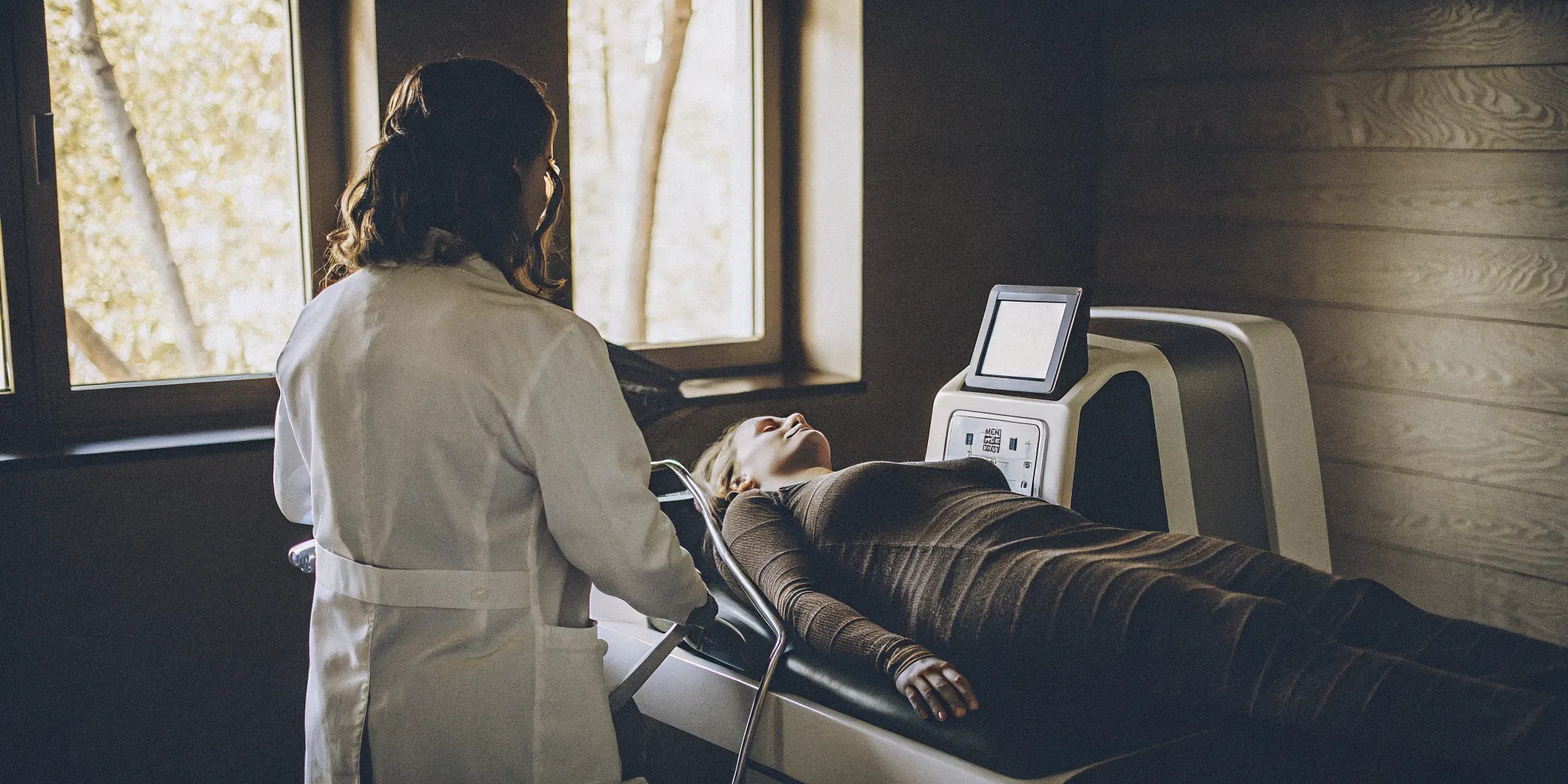
Unlike a surgical procedure, treatment does not involve an incision or the removal of disc tissue. Instead, the patient is positioned on the DRX9000 while the system applies carefully controlled decompression to the targeted area of the spine. The purpose is to reduce mechanical stress on the affected disc and create conditions that may support improved comfort and function. The exact treatment plan depends on the patient’s symptoms, imaging, medical history, and clinical findings.
Why FDA clearance matters
FDA clearance indicates that the device has been reviewed for a specific medical use. It does not mean that every patient will have the same result, or that treatment replaces medically necessary surgery. Some spinal problems require surgical or other medical care. DRX Chicago uses candidacy screening to identify patients who may benefit from a non-surgical approach and to recognize situations in which decompression should not be performed.
A clinically supported technology
DRX9000 is positioned as having the strongest published clinical evidence among non-surgical decompression technologies. A peer-reviewed study examining non-surgical decompression with the DRX9000 in patients with lumbar disc herniation reported improvements in pain management, functional status, and depressive mood. These findings support continued clinical evaluation, but they should be interpreted in the context of the individual patient rather than as a promise of a particular outcome. Read the published clinical study.
DRX Chicago has more than 25 years of clinical experience and has performed more than 14,500 DRX9000 treatments. Patients can learn more about how DRX9000 spinal decompression technology works and compare in-clinic and home spinal decompression devices while reviewing failed back surgery syndrome treatment options and pinched nerve back treatment in Chicago before deciding whether to schedule a consultation.
How the DRX9000 Creates Negative Intradiscal Pressure to Heal Damaged Discs
The DRX9000 uses a controlled unloading process designed to change the pressure environment inside a damaged disc. Rather than simply pulling on the spine, the system applies a computer-controlled logarithmic decompression curve. This gradual pattern alternates tension and relaxation in a measured way, helping target the affected spinal level while keeping the treatment controlled and comfortable.
What negative intradiscal pressure does
Under normal conditions, pressure inside a disc can contribute to pain when the outer annulus is weakened or the disc material bulges toward a nearby nerve. The DRX9000 is designed to create negative intradiscal pressure, reported in the range of -100 to -200 mm Hg. This lower-pressure environment may create a vacuum effect within the disc.
That vacuum effect is intended to encourage retraction of herniated or bulging disc material away from irritated nerve structures. It also supports the movement of fluid back into the disc, a process commonly described as disc hydration. These mechanical goals are not a guaranteed cure, and the response depends on the condition of the disc, the patient’s overall health, and proper candidacy screening.
How logarithmic decompression differs from simple traction
Traditional traction generally applies a more uniform pulling force to lengthen or unload the spine. The DRX9000 uses a computer-controlled logarithmic curve instead, adjusting the force gradually rather than relying on a single steady pull. This distinction is central to the system’s approach: the goal is to create a targeted decompression effect within the disc, not merely to stretch the back.
For patients comparing treatment options, this advanced decompression technology is designed to provide a more specific, measured protocol than basic traction. A consultation is still necessary to determine whether the approach matches the source of a patient’s pain.
Why FDA clearance matters
The DRX9000 is FDA-cleared for spinal decompression. FDA clearance indicates that the device has been cleared for its intended use. It does not mean that every patient will respond the same way or that treatment is appropriate for every diagnosis. At DRX Chicago, candidacy should be determined through a comprehensive evaluation that considers imaging, symptoms, medical history, and potential contraindications.
When a disc-related condition is suitable for non-surgical care. The mechanism offers a clinically reasoned objective: reduce mechanical stress, encourage fluid exchange, and potentially help retract displaced disc material. The next step is an individualized evaluation, not a promise of a particular outcome.
The Clinical Evidence Behind DRX9000 Spinal Decompression Technology
Patients considering non-surgical care deserve more than a promise that a treatment is “advanced.” They deserve evidence showing what was studied. Which outcomes were measured, and why the results may or may not apply to them. The published record for DRX9000 spinal decompression technology includes clinical research on pain and function, imaging findings, and patient-reported outcomes. Taken together, this is why DRX9000 is positioned as having some of the strongest published clinical evidence among non-surgical decompression technologies.
Research on pain, function, and daily life
A clinical study indexed in PubMed under PMID 31453485 evaluated non-surgical spinal decompression in patients with low back pain associated with lumbar disc herniation. The researchers reported improvement in pain management, functional status, and depressive mood among patients receiving non-surgical decompression. The study involved a multi-session treatment program, with the decompression group completing 20 sessions over six weeks. Read the PubMed study on lumbar disc herniation and non-surgical decompression.
These findings matter because meaningful improvement is not limited to a pain score. Function describes how comfortably a person can move, work, sleep, and manage ordinary activities. A treatment that reduces symptoms while helping a patient function better has a more useful clinical outcome than one that only produces a temporary change in discomfort.
Reported outcomes from clinical data
For qualified candidates, DRX9000 clinical data reports success rates ranging from 76% to 88%, depending on the study and how success is defined. One study discussed in the Orthopedic Technological Review reported significant relief from spinal pain in 86% of patients who received disc decompression therapy. The 86% figure should be understood as a study result, not a guarantee for every individual. The source reporting this finding is available for review here.
Other reported measures provide additional context:
- An average pain reduction of approximately 80% in reported clinical data.
- MRI-verified disc height increases of approximately 1.0 to 1.6 mm after treatment.
- A reported patient satisfaction rate of 95%.
Disc height is an imaging measurement, not a direct measure of pain. Likewise, satisfaction and average pain reduction can vary according to diagnosis, duration of symptoms, treatment adherence, and other health factors. These numbers are most useful when interpreted alongside a clinical examination and a patient-specific treatment plan.
Why the evidence still requires individualized evaluation
Clinical evidence can show that a treatment may help appropriate patients, but it cannot determine candidacy without an examination. DRX Chicago evaluates the condition being treated, reviews relevant medical history, and screens for contraindications before recommending care. If you are comparing options, learn more about the effectiveness of non-surgical spinal decompression and discuss whether your symptoms and imaging findings fit the profile of a potential candidate.
Conditions Treated by DRX9000 Spinal Decompression Technology
DRX9000 therapy is designed for specific spine-related problems in which pressure on a disc, nerve, or surrounding tissue contributes to pain and limited movement. The goal is to reduce mechanical stress and support the body’s natural healing response without surgery. Learn more about the conditions treated by DRX9000 and how they may relate to your symptoms.
- Herniated discs: When the inner disc material pushes through a weakened outer layer, it can irritate nearby nerves. Decompression is intended to reduce pressure around the affected level and may support retraction of herniated material.
- Bulging discs: A bulging disc extends beyond its normal boundary without necessarily rupturing. Computer-controlled decompression may reduce loading on the disc and create conditions that support improved disc hydration.
- Degenerative disc disease: Age-related or cumulative disc changes can contribute to stiffness, localized back pain, and reduced shock absorption. A carefully planned decompression program may lessen compressive forces and improve comfort during movement.
- Sciatica: Sciatica describes pain or other symptoms that travel along the sciatic nerve, often from the lower back into the buttock or leg. Because disc-related nerve irritation is a common contributor, reducing pressure at the involved spinal level may help address the source of symptoms.
- Spinal stenosis and pinched nerves: Narrowing around the spinal canal or nerve openings can leave less room for sensitive nerve tissue. Decompression may be considered when symptoms are related to mechanical compression, but the underlying cause and severity must be evaluated first.
- Auto accident and sports injuries: Sudden impact or repetitive athletic stress can aggravate discs, joints, and supporting tissues. After an appropriate clinical assessment, non-invasive decompression may be part of a broader plan for selected injuries.
How is candidacy evaluated?
Not every patient with back or leg pain is a candidate. The evaluation reviews your symptoms, medical history, physical findings, and available imaging to identify the likely pain generator and determine whether decompression is appropriate. Screening also looks for conditions that may make treatment unsafe, including pregnancy, severe osteoporosis, spinal fracture, tumor, infection, ankylosing spondylitis, or surgical hardware at the treatment level. This individualized process helps distinguish patients who may benefit from DRX9000 therapy from those who need another form of care or an urgent medical referral.
The DRX9000 Treatment Protocol: Session Structure and Timeline
A DRX9000 program is planned as a series of consistent, progressively spaced visits rather than a single treatment. A typical course includes 20 to 28 sessions over four to seven weeks, with each visit lasting approximately 30 to 45 minutes. Your exact schedule depends on your evaluation, symptoms, imaging, and response to care.
Initial evaluation and treatment planning
Before treatment begins, the clinical team reviews your symptoms, medical history, and relevant imaging to determine whether you are an appropriate candidate. This screening is important because spinal decompression is not suitable for every patient. The team uses the findings to identify the treatment area and establish a plan that fits your condition and goals.
Positioning and harness setup
For the session, you lie comfortably on the DRX9000 table. A specialized harness system supports and stabilizes the body so the treatment can be directed toward the targeted area of the spine. The setup is adjusted to your anatomy and treatment plan, with the goal of keeping you relaxed throughout the visit.
Computer-controlled decompression
The system applies a gradual, computer-controlled pull using a logarithmic decompression curve. Unlike a sudden stretch, this approach varies the force during the session. It is designed to gently reduce pressure around the targeted discs and create negative intradiscal pressure, which may support disc hydration and retraction of herniated or bulging material.
Treatment should not be painful. Most patients remain comfortably positioned while the machine performs the programmed cycles. If you experience discomfort, tell the clinical team so the settings or positioning can be assessed and adjusted.
Graduated visit frequency
The schedule generally becomes less frequent as the program progresses. Patients may begin with daily visits, transition to approximately three sessions per week, and then move to two sessions per week. This graduated pattern provides regular exposure early in the program while allowing more time between visits later.
Progress review and next-step decisions
Throughout the course, the team monitors your symptoms, function, and tolerance. The number of visits and timeline may be refined based on your progress and clinical findings. Completing the recommended course does not guarantee a particular result, but consistent attendance gives the care team a clearer opportunity to evaluate how you are responding.
The treatment itself is only one part of the process. A careful evaluation, individualized settings, and regular progress reviews help ensure that the program is appropriate for your needs.
DRX9000 vs. Surgery and Other Decompression Options: A Cost and Outcome Comparison
Choosing a back-pain treatment involves more than comparing a price tag. The right option depends on the diagnosis, severity of nerve or disc involvement, previous treatments, overall health, and whether a person is a suitable candidate. DRX9000 spinal decompression technology is designed as a non-invasive option for certain disc-related conditions. But it is not a guaranteed alternative and should not replace surgery when surgery is medically necessary.
| Option | Typical approach | Cost and evidence considerations |
|---|---|---|
| DRX9000 therapy | Computer-controlled, non-invasive decompression delivered over a planned series of sessions for qualified candidates. | Programs typically range from $2,500 to $4,500. DRX9000 is positioned as having the strongest published clinical evidence among non-surgical decompression technologies. |
| Spinal surgery | An invasive procedure selected for specific structural or neurological problems when clinical assessment supports it. | Surgical interventions may range from $50,000 to $150,000. The cost varies substantially by procedure, facility, surgeon, insurance, and follow-up care. |
| Other decompression technologies | Non-surgical systems such as VAX-D, DTS, or SpineMED that use forms of traction or decompression. | Availability, protocols, and supporting research vary. A device name alone does not establish that a treatment is appropriate or effective for every patient. |
Why published evidence matters
DRX9000 has been studied in patients with low back pain associated with lumbar disc herniation. A PubMed-indexed study found that non-surgical decompression was effective for pain management, functional status, and depressive mood improvement in the study population: review the published clinical study. These findings support informed discussion, not a promise of identical results for every patient.
That distinction is important when comparing DRX9000 with VAX-D, DTS, or SpineMED. The comparison should focus on the quality and relevance of published clinical evidence, the treatment plan, and the patient’s diagnosis rather than on marketing language. Patients can also review how DRX9000 compares with traditional traction in this guide to advanced decompression technology.
A comprehensive evaluation is the starting point. It helps determine whether non-invasive decompression is reasonable, whether another conservative treatment is better suited, or whether referral for medically necessary surgery should be prioritized.
Is DRX9000 Spinal Decompression Safe? Contraindications and Candidacy
DRX9000 spinal decompression technology is non-invasive and FDA-cleared for spinal decompression. It is designed to apply controlled traction without an incision or surgery, making it an option for some patients who are seeking non-surgical care for disc-related back pain. However, non-invasive does not mean appropriate for every person or every diagnosis. Safety depends on choosing the right candidates and tailoring treatment to their condition.
At DRX Chicago, candidacy is determined through a comprehensive evaluation rather than a single symptom or imaging finding. The assessment considers your medical history, symptoms, physical findings, prior treatment, and any available diagnostic imaging. This helps the care team determine whether decompression is reasonable, whether the treatment level can be addressed safely, or whether another type of medical care is more appropriate.
Conditions that may rule out treatment
Spinal decompression may be contraindicated when the spine or surrounding tissues cannot safely tolerate the treatment forces. Important conditions to disclose include:
- Pregnancy
- Severe osteoporosis
- Spinal fractures
- Known or suspected tumors
- Spinal infections
- Surgical hardware at the treatment level
- Ankylosing spondylitis
These factors do not replace a professional diagnosis, and this list is not a substitute for an examination. A patient should not begin a treatment program based solely on an online checklist. If you have a serious underlying condition, recent injury, unexplained symptoms, or a history of spinal surgery, share those details before any decompression session is considered.
What happens during pre-treatment screening?
The screening process is intended to identify contraindications, clarify the likely source of symptoms, and establish realistic treatment goals. The provider may review your history, evaluate movement and neurological symptoms, and determine whether imaging or referral is needed. If the findings suggest that DRX9000 treatment is not suitable, the appropriate next step may be additional medical evaluation rather than decompression.
Patients who want a clearer explanation of the treatment can also review these common concerns about decompression therapy. The goal is not to promise that DRX9000 will work for everyone. It is to identify qualified candidates and provide care within appropriate safety boundaries.
Frequently Asked Questions
How much does DRX9000 treatment cost?
At DRX Chicago, treatment programs typically range from $2,500 to $4,500, depending on your condition, evaluation findings, and recommended plan. The exact cost is reviewed during your consultation. CareCredit financing may also be available, so ask about payment options when you schedule.
Does the DRX9000 really work?
Clinical evidence supports non-surgical spinal decompression for selected patients with lumbar disc herniation. One published study found improvements in pain, function, and depressive mood among patients receiving non-surgical decompression. Results vary, and candidacy matters, so treatment should follow a clinical evaluation rather than a promise of guaranteed relief. Read the published study.
Is DRX9000 covered by insurance?
Most insurance plans do not cover the decompression therapy itself. However, the consultation, examination, and some supportive therapies may be covered depending on your plan. Contact your insurer and ask the clinic which services can be submitted for benefits verification before beginning treatment.
How long does DRX9000 treatment last?
A typical program includes 20 to 28 sessions over approximately four to seven weeks. Individual sessions generally last 30 to 45 minutes, with frequency often decreasing from daily visits to three times weekly and then twice weekly as the plan progresses.
Is DRX9000 spinal decompression safe for everyone?
No. The DRX9000 is FDA-cleared technology, but it is not appropriate for every patient. A comprehensive evaluation screens for conditions such as pregnancy, severe osteoporosis, spinal fractures, tumors, infections, surgical hardware at the treatment level, and ankylosing spondylitis. Your provider determines whether this approach is appropriate for you.
Take the Next Step Toward Pain Relief
If you or a loved one is struggling with back pain and want to learn if DRX9000 spinal decompression technology is right for you. DRX Chicago is here to help. With over 25 years of experience and more than 14,500 treatments performed, our team has the expertise to guide you toward non-surgical relief.
Schedule Your Free Consultation
Call us today at (773) 868-0347 to speak with a member of our team.