Back pain can disrupt even the simplest parts of daily life: sitting through a workday, sleeping through the night, picking up a child, or enjoying a weekend in Chicago. It remains one of the most common reasons people seek medical care, and while many acute episodes improve within several weeks, symptoms that linger can increase the risk of chronic pain and long-term disability. The right next step depends on what is causing the pain, how long it has lasted, and whether nerve symptoms or other warning signs are present. Schedule your free consultation at DRX Chicago to begin exploring your options with a qualified specialist.
Back pain treatment Chicago options range from physical therapy and conservative care to non-surgical spinal decompression for carefully selected patients. A qualified specialist can evaluate your symptoms, explain the likely source, and help you understand whether non-invasive treatment or a surgical referral is appropriate.
Understanding how symptoms relate to the spine, nerves, muscles, and daily demands is the starting point for making that decision. This guide covers the common causes, conditions, and treatment paths available to Chicago patients, with a focus on non-surgical approaches that can help you avoid the operating room.
What Causes Back Pain? Understanding Your Symptoms in Chicago
Back pain treatment Chicago patients experience most often stems from mechanical issues in the spine: disc problems, joint irritation, muscle strain, or nerve compression. The location and behavior of your symptoms offer important clues about the underlying source.
Back pain is not one condition with one cause. It can develop after a sudden injury, build gradually through repeated strain, or reflect changes in the discs, joints, and nerves that support the spine. The lower back, or lumbar spine, is especially vulnerable because it bears most of the body weight while allowing bending, twisting, and lifting. Because back pain is a leading reason people seek emergency care and contributes significantly to disability worldwide, understanding the pattern of your symptoms is an important first step. Clinical references describe the spine and symptom history as central to evaluation.
Acute, subacute, and chronic pain
Clinicians categorize back pain by duration because the timeline often points to different underlying causes and treatment approaches. Acute back pain begins suddenly and lasts less than four weeks, often after lifting something heavy, a fall, an awkward movement, or a muscle strain. Subacute pain continues beyond the initial month but has not yet become long-standing, lasting four to twelve weeks. Chronic back pain persists beyond twelve weeks or repeatedly returns over time, sometimes affecting sleep, movement, work, and mental health.
Most acute cases improve within several weeks with self-care and activity modification. When symptoms persist beyond that window, the likelihood of developing chronic pain and long-term disability increases. That does not mean ongoing pain is hopeless, but it does mean a careful evaluation can help identify the source instead of relying on repeated short-term relief. Early intervention is associated with better outcomes.
How the spine can produce symptoms
The spine is a complex structure made of stacked vertebrae, intervertebral discs, facet joints, supporting muscles and ligaments, and nerve roots that branch out from the spinal cord. Discs cushion movement between vertebrae and distribute load during activity. Facet joints guide motion and provide stability, while nerve roots carry signals between the spinal cord and the rest of the body.
Pain signals may originate in any of these structures. The location and quality of your symptoms offer useful clues for a diagnosis:
- Localized aching in the lower back that worsens with certain movements or positions
- Radiating pain that travels into the buttock, hip, or leg
- Numbness, tingling, or pins-and-needles sensations suggesting nerve involvement
- Muscle weakness in the leg or foot, which warrants prompt evaluation
- Pain that improves with position changes such as sitting versus standing
These symptoms do not establish a diagnosis by themselves, but they help a clinician determine which structures are involved. A thorough history and physical examination are the foundation of an accurate assessment.
Age, activity, and everyday risk factors
Age-related changes influence which spinal problems are more common, although age alone does not determine your diagnosis. Younger adults (ages 20 to 45) more often experience muscular strain, ligament injuries, or a herniated disc, typically from sports, lifting, or sudden movements. Middle-aged and older adults have a higher prevalence of degenerative disc disease, facet joint arthritis, spinal stenosis, and compression fractures related to bone density changes.
Beyond age, several modifiable factors affect spinal health:
- Mechanical stress from physically demanding work, sports, or repetitive lifting without proper technique
- Physical deconditioning in which weak core muscles provide less support for the spine
- Obesity increases mechanical demand on the lumbar discs and joints
- Tobacco use reduces blood flow to spinal tissues and is associated with higher back pain risk, slower healing, and greater recurrence rates
- Poor sleep and stress can increase muscle tension and pain perception
Improving conditioning, maintaining a healthy weight, adopting sound lifting technique, and addressing tobacco use can all support spinal health. These changes are valuable whether you are currently experiencing pain or hoping to prevent future episodes. Persistent or worsening symptoms deserve professional assessment regardless of risk factors.
The relationship between lifestyle and back pain is bidirectional: pain can reduce activity, leading to deconditioning, which in turn makes the spine more vulnerable to further episodes. Breaking this cycle early with appropriate care and guided activity is one of the most effective strategies for long-term spinal health. Chicago patients who work with a spine specialist to develop a sustainable activity plan typically achieve better outcomes than those who rest until the pain stops on its own.
Common Spinal Conditions Treated by Back Pain Specialists in Chicago
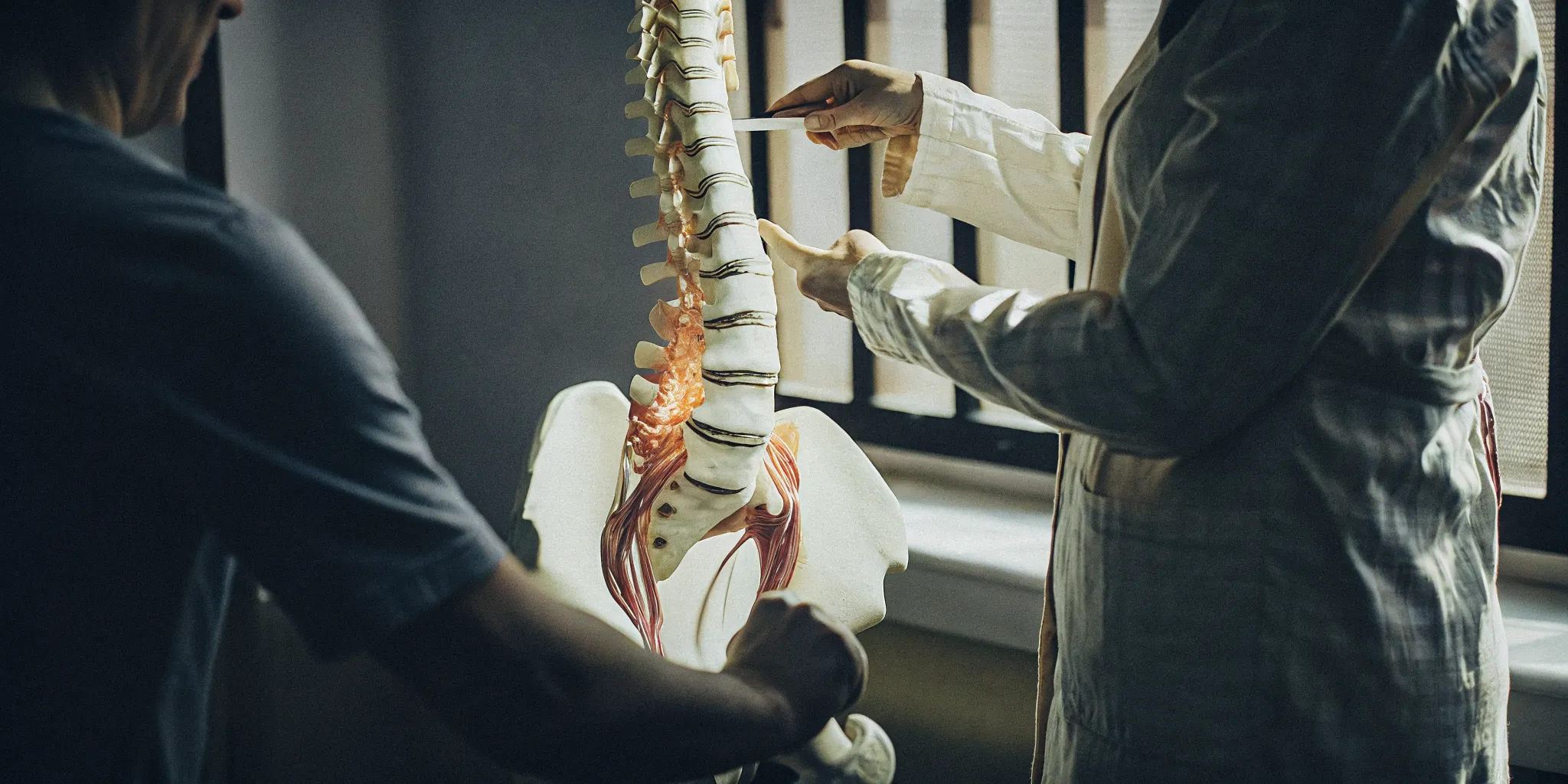
DRX Chicago treats a wide range of spinal conditions non-surgically, including herniated and bulging discs, sciatica, spinal stenosis, degenerative disc disease, facet arthropathy, auto accident injuries, and failed back surgery syndrome. Each condition has distinct characteristics that influence the appropriate treatment approach.
Lower back pain is especially common because the lumbar vertebrae support much of the body weight while allowing frequent bending, lifting, and rotation. Pain signals can begin in the intervertebral discs, facet joints, nerve roots, or surrounding muscles, so similar symptoms may come from very different conditions. An accurate diagnosis is essential for matching each patient to the treatment most likely to help. Explore spinal condition treatment options at DRX Chicago to learn more about which conditions respond to non-surgical care.
Herniated discs
A herniated disc occurs when the soft inner material (nucleus pulposus) pushes through a tear in the outer layer (annulus fibrosus) of a spinal disc. When the herniated material contacts or compresses a nearby nerve root, it can cause pain, numbness, or weakness along the path of that nerve. A lumbar herniated disc is one of the most common causes of sciatica, which often produces leg pain more severe than the back pain itself. Non-surgical spinal decompression has shown strong clinical outcomes for treating herniated discs by creating negative pressure that helps retract the herniated material.
Bulging discs
A bulging disc involves the outer layer of the disc protruding outward without a full tear. The bulge may take up space in the spinal canal and, depending on its size and location, may or may not contact a nerve root. Bulging discs are common and often asymptomatic, but when symptoms appear they typically respond well to non-surgical care. Because the disc outer layer remains intact, bulging discs often have a favorable outlook with conservative treatment including decompression therapy.
Sciatica and pinched nerves
Sciatica describes a pattern of symptoms caused by compression or irritation of the sciatic nerve, which runs from the lower back through the buttock and down the leg. Symptoms typically include sharp, shooting pain, burning, numbness, or tingling along this path. Pinched nerves in the lower back, including conditions such as lumbar radiculopathy, can produce similar symptoms depending on which nerve root is affected. Identifying the specific nerve root and the cause of the compression is important for directing treatment.
Spinal stenosis
Spinal stenosis involves narrowing of the spinal canal, which can compress the spinal cord or nerve roots. Lumbar stenosis often produces neurogenic claudication: pain, heaviness, or cramping in the legs when walking or standing that improves with sitting or leaning forward. This symptom pattern distinguishes stenosis from vascular claudication. DRX Chicago offers non-surgical approaches to help manage stenosis symptoms, improve mobility, and delay or avoid the need for decompressive surgery.
Degenerative disc disease
Degenerative disc disease is not actually a disease but a natural aging process in which spinal discs lose hydration, height, and flexibility over time. As discs degenerate, the space between vertebrae narrows, which can alter the biomechanics of the spine and lead to pain, reduced range of motion, and secondary changes in the facet joints. DRX Chicago helps patients slow the progression of degenerative changes and manage symptoms through non-surgical protocols that improve disc hydration and support spinal function.
Facet arthropathy
The facet joints are small paired joints at each level of the spine that guide and limit motion. When these joints become irritated, inflamed, or arthritic, they can produce localized back pain that often worsens with backward bending, twisting, or prolonged standing. Facet arthropathy frequently accompanies degenerative disc changes, as the loss of disc height alters the load distribution across the facet joints. DRX Chicago treatment protocols address facet joint involvement as part of a comprehensive approach to spinal health.
Auto accident injuries
Whiplash, soft tissue damage, and acute disc injuries from car accidents can produce both immediate and delayed symptoms. Some patients develop pain hours or days after an accident, making it important to seek evaluation even if symptoms seem minor at first. DRX Chicago evaluates and treats auto accident-related back and neck injuries, offering non-surgical care that addresses the specific patterns of trauma common in motor vehicle collisions.
Failed back surgery syndrome
A significant number of patients continue to experience pain after spinal surgery, a condition known as failed back surgery syndrome. This may result from scar tissue formation, residual disc material, adjacent segment degeneration, or incomplete decompression. DRX Chicago offers non-surgical alternatives for patients with failed back surgery syndrome, helping them find relief without additional procedures that carry their own risks and recovery periods.
Learn about non-surgical back surgery alternatives at DRX Chicago and discover whether you are a candidate for conservative care.
Conservative and Medical Treatment Options for Back Pain
Most back pain treatment Chicago patients pursue begins with conservative care: physical therapy, exercise, manual therapy, and lifestyle modifications. When these approaches are not enough, advanced non-surgical options like spinal decompression may be appropriate.
Clinical evidence supports manipulation, massage, acupuncture, and exercise-based care as first-line approaches for many types of back pain. The vast majority of patients improve with conservative measures alone, which is why treatment guidelines uniformly recommend starting with the least invasive options.
Start with movement and rehabilitation
Remaining active within pain limits is the standard recommendation for most back pain. Prolonged bed rest beyond a day or two can delay recovery and contribute to muscle deconditioning. A structured approach to conservative care includes:
- Physical therapy to strengthen the core muscles that stabilize the spine
- Manual therapy including spinal manipulation and soft tissue mobilization
- Gentle stretching for the hamstrings, hips, and lower back musculature
- Low-impact aerobic exercise such as walking, swimming, or stationary cycling
- Ergonomic adjustments to workstation, sleeping position, and daily movement patterns
A physical therapist or chiropractor can design a program specific to your condition, fitness level, and goals. Consistency is more important than intensity during the early phase of recovery.
Medications and injections when appropriate
Over-the-counter nonsteroidal anti-inflammatory drugs (NSAIDs) such as ibuprofen or naproxen may help reduce inflammation and pain during acute episodes. Acetaminophen is an alternative for those who cannot take NSAIDs. Prescription muscle relaxants or nerve pain medications such as gabapentin are sometimes used for short periods under medical supervision.
Epidural steroid injections can reduce inflammation around compressed nerve roots, providing temporary relief that may create a window for rehabilitation. However, the effects of injections are typically temporary, and research does not support their use as a standalone long-term solution. They are best used as part of a broader treatment plan that includes active rehabilitation.
The role of chiropractic care in back pain management
Chiropractic care plays an important role in the conservative management of back pain. Spinal manipulation, mobilization, and soft tissue techniques help restore joint mobility, reduce muscle tension, and improve overall spinal function. For many patients, regular chiropractic adjustments can prevent minor issues from escalating into more serious conditions. DRX Chicago combines chiropractic expertise with advanced decompression technology, offering patients access to both traditional manual care and computer-controlled spinal decompression under one roof.
Research published in major medical journals supports spinal manipulation as an effective treatment for acute and chronic low back pain. When chiropractic care is combined with active rehabilitation and, where appropriate, non-surgical decompression, patients often experience faster recovery and better long-term outcomes than with any single approach alone.
Build supportive daily habits
Sleep posture, workstation ergonomics, and lifting mechanics all affect spinal health over the long term. Sleeping on the side with a pillow between the knees can help maintain neutral spinal alignment. A properly adjusted chair and monitor height reduce strain during work hours. NIAMS recommends physical activity, healthy weight management, and proper lifting techniques to reduce the risk and impact of back pain.
Non-Surgical Spinal Decompression: An Advanced Approach to Back Pain Relief
DRX Chicago uses the DRX9000, an FDA-cleared non-surgical spinal decompression system that creates negative intradiscal pressure to promote disc hydration and retraction of herniated or bulging material. Clinical studies report 76-88% success rates for qualified candidates.
When conservative care provides insufficient relief, non-surgical spinal decompression offers a clinically supported intermediate step before considering surgery. DRX Chicago has performed over 14,500 DRX9000 treatments, making it one of the most experienced providers of this technology in the region. Learn how DRX9000 non-surgical back pain treatment at DRX Chicago delivers results.
How DRX9000 decompression works
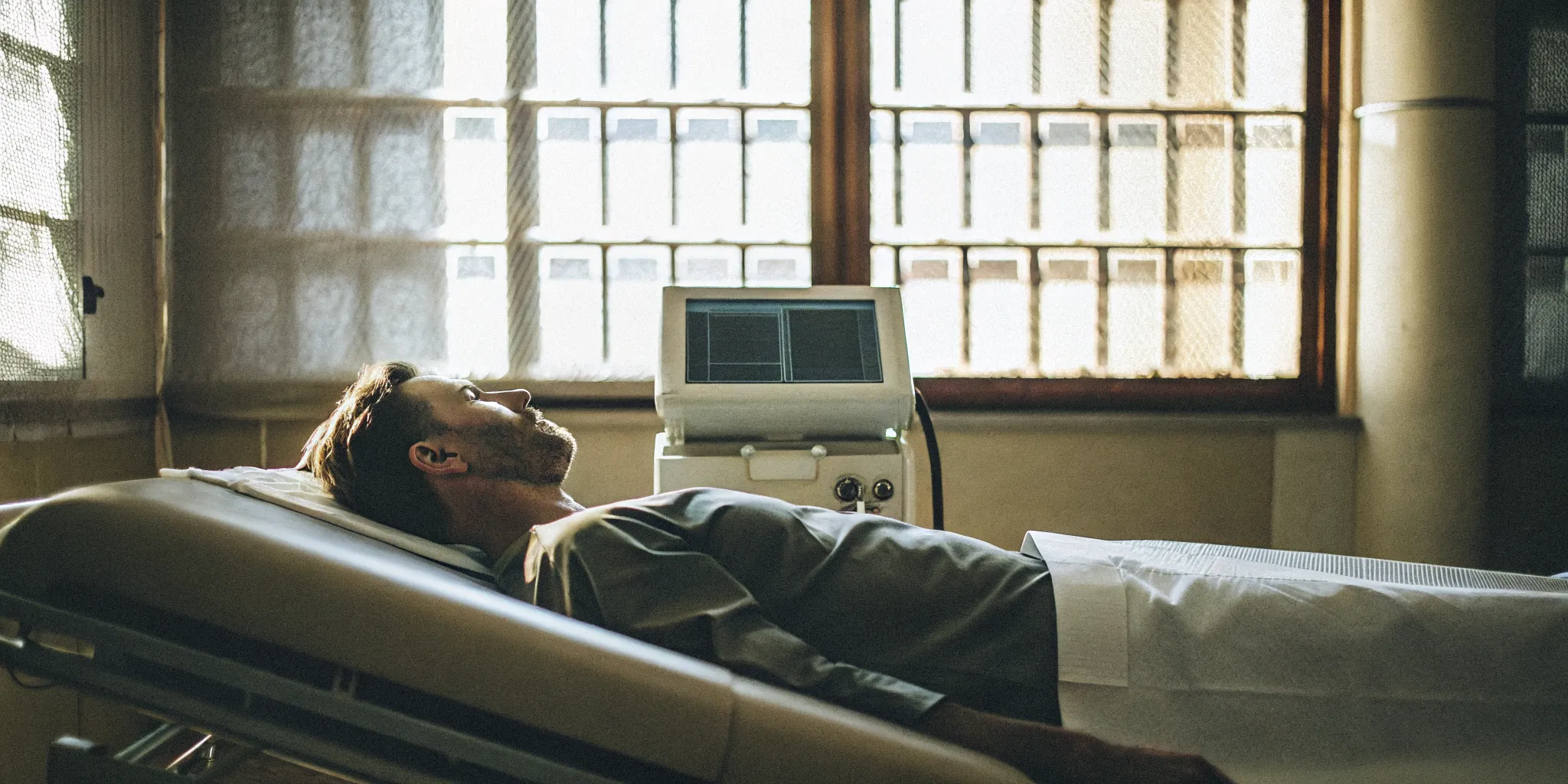
The DRX9000 is an advanced spinal decompression system cleared by the FDA for treating herniated and bulging discs, sciatica, degenerative disc disease, and facet syndrome. During treatment, the computer-controlled table applies a precise logarithmic decompression force to the targeted spinal segment, creating negative pressure ranging from -100 to -200 mm Hg within the disc. This level of negative pressure is significantly higher than what is achieved through conventional traction.
The negative intradiscal pressure creates a vacuum effect within the disc that produces several therapeutic benefits:
- Retraction of herniated or bulging disc material away from nerve roots, reducing compression
- Nutritional diffusion as oxygen, water, and nutrients move into the disc to support healing
- Disc height restoration as the rehydration process increases the space between vertebrae
MRI studies have confirmed measurable disc height increases of 1.0 to 1.6 mm following a full course of DRX9000 treatment, providing visible, objective evidence of structural improvement. These changes correlate with symptom improvement in most patients.
What a typical treatment plan involves
A standard DRX9000 protocol at DRX Chicago includes 20 to 28 treatment sessions over four to seven weeks. Each session lasts 30 to 45 minutes. The frequency follows a graduated schedule: treatment begins daily, then reduces to three times per week, and finally transitions to twice per week as the disc stabilizes and symptoms improve.
Patients remain fully clothed and lie comfortably on the treatment table while the computer controls the precise decompression forces. The table is designed for patient comfort, and the logarithmic decompression curve mimics a gradual, natural unloading of the spinal segment. Most patients describe the experience as relaxing, and many report noticeable improvement within the first several sessions.
Treatment is typically combined with supportive therapies such as cold laser therapy, electrical stimulation, and specific exercises designed to stabilize the treated segment and prevent recurrence.
What the clinical outcomes mean
The published clinical evidence supporting the DRX9000 is among the strongest available for any non-surgical decompression technology, surpassing that of earlier systems including VAX-D, DTS, and SpineMED. Reported outcomes from clinical studies include:
- 95% patient satisfaction among those who complete the recommended treatment course
- 76-88% clinical success rates for properly selected candidates
- 80% average reduction in pain scores measured before and after treatment
- MRI-verified disc height increases of 1.0 to 1.6 mm
These outcomes compare favorably with surgical intervention for appropriately selected patients. Surgical approaches for herniated discs and stenosis remain effective for many patients, but they carry risks including infection, anesthesia complications, failed outcomes, and the potential for adjacent segment disease. Non-surgical decompression offers a lower-risk pathway with strong evidence supporting its effectiveness.
Who may be a candidate?
Candidacy for spinal decompression is determined through a comprehensive evaluation at DRX Chicago. The evaluation screens for contraindications that would make decompression unsafe, including pregnancy, severe osteoporosis, spinal fractures, tumors or infections of the spine, surgical hardware at the intended treatment level, and ankylosing spondylitis.
Patients who have not found adequate relief through physical therapy, medication, or chiropractic adjustments and who wish to avoid surgery are often strong candidates for decompression. The evaluation process includes a thorough review of your medical history, a physical and neurological examination, and a review of any available imaging studies such as MRI or CT scans. This ensures that treatment is directed at the correct spinal level and that the expected benefits outweigh any risks specific to your condition.
Surgical vs. Non-Surgical Back Pain Treatment: What Chicago Patients Should Know
The cost difference between surgical and non-surgical care is substantial. DRX9000 treatment at DRX Chicago ranges from $2,500 to $4,500, while surgical interventions can cost $50,000 to $150,000. DRX Chicago helps patients explore effective non-surgical alternatives before considering the operating room.
Understanding the full landscape of treatment options empowers Chicago patients to make informed decisions about their care. The right choice depends on the specific diagnosis, the severity of symptoms, the presence of neurological deficits, and your personal goals for recovery.
Why some patients explore non-surgical decompression first
Non-surgical spinal decompression offers several meaningful advantages over surgery. The cost is a fraction of surgical intervention, typically $2,500 to $4,500 compared to $50,000 to $150,000 for spinal surgery when factoring in hospital, anesthesia, and rehabilitation expenses. There is no incision, no general anesthesia, no hospital stay, and no post-surgical rehabilitation period. Patients can resume normal activities immediately after each 30- to 45-minute treatment session.
Additionally, decompression addresses the underlying mechanical issue rather than simply managing symptoms. By creating negative pressure within the disc, the DRX9000 actively works to retract herniated material and restore disc height. This mechanical approach may reduce the likelihood of recurrence compared to passive approaches that only address the symptoms without changing the structural environment.
When surgery may still be necessary
Surgery remains the appropriate choice for specific clinical situations. These include cauda equina syndrome, a surgical emergency characterized by loss of bladder or bowel control and numbness in the saddle area. Progressive or severe neurological deficits, spinal instability, and cases where conservative and non-surgical treatments have been fully exhausted without adequate improvement also warrant surgical consultation.
DRX Chicago does not position decompression as a replacement for medically necessary surgery. Rather, it offers a clinically supported alternative worth exploring first for patients who meet the candidacy criteria. For many patients, non-surgical care is sufficient to avoid surgery entirely.
Explore effective back pain treatment in Chicago at DRX Chicago and discover non-surgical options that may help you avoid surgery.
When to See a Back Pain Specialist in Chicago
If back pain limits your daily activities, persists beyond a few weeks, or includes nerve symptoms such as numbness, tingling, or weakness, it is time to see a back pain specialist. DRX Chicago offers comprehensive evaluations to identify the source of your pain and recommend the most appropriate treatment path.
Timely evaluation can prevent acute pain from becoming chronic and help you return to normal activity sooner. Many patients wait months or years before seeking care, by which time pain patterns and movement habits have become deeply established.
Seek immediate medical attention for red flags
Certain symptoms warrant urgent evaluation regardless of how long the pain has been present. These red flags include loss of bladder or bowel control, numbness in the saddle area (groin and inner thighs), progressive weakness in the legs, or back pain accompanied by fever, chills, or unexplained weight loss. These symptoms may indicate cauda equina syndrome, infection, or malignancy that requires prompt medical attention.
What happens during a back pain evaluation
A thorough spine evaluation at DRX Chicago is designed to identify the source of your pain and determine the most effective treatment path. The process typically includes:
- Detailed history covering the onset of symptoms, aggravating and relieving factors, previous treatments, and relevant medical history
- Physical examination assessing spinal range of motion, posture, muscle strength, sensation, and reflexes
- Orthopedic and neurological testing to pinpoint the likely pain generator
- Review of imaging if available, including MRI, CT scans, or X-rays
- Candidacy screening for non-surgical spinal decompression
The evaluation typically takes 30 to 60 minutes, and you will leave with a clear understanding of your condition and the treatment options available to you.
Why choose DRX Chicago for your back pain care
DRX Chicago distinguishes itself through a combination of experience, advanced technology, and patient-centered care. The clinic has invested in the DRX9000, the most widely studied non-surgical spinal decompression system available, and has built a treatment protocol refined over thousands of patient sessions. Unlike general pain management clinics that offer a one-size-fits-all approach, DRX Chicago develops individualized treatment plans based on each patient’s specific diagnosis, imaging findings, and personal health goals.
The clinic’s location in the Lakeview neighborhood makes it accessible to patients throughout Chicago, including Lincoln Park, Wrigleyville, and the greater north side. With flexible scheduling and a focus on getting patients back to their normal activities as quickly as possible, DRX Chicago has become a trusted resource for Chicago residents seeking non-surgical back pain solutions.
What to expect at DRX Chicago
DRX Chicago has served the greater Chicago area for more than 25 years. The clinic has performed over 14,500 DRX9000 treatments, more than most centers in the country. The team has earned over 290 five-star Google reviews with an overall rating of 4.9 out of 5.0, reflecting the quality and consistency of care.
The practice is led by Dr. Jason Ingham, DC, CCSP and Dr. Erin Schey, DC, who bring extensive experience in non-surgical spine care. Their approach combines clinical expertise with advanced technology to deliver personalized treatment plans. Learn more about the DRX Chicago team and their approach to back pain treatment.
Frequently Asked Questions
Below are answers to common questions about back pain treatment Chicago patients ask when they begin their journey toward relief.
What is the best treatment for back pain?
The best treatment depends on the underlying cause, duration of symptoms, and individual patient factors. For most acute back pain, conservative care including physical therapy and activity modification is effective. For chronic pain or conditions involving disc problems and nerve compression, non-surgical spinal decompression with the DRX9000 offers strong clinical outcomes for qualified candidates. A thorough evaluation at DRX Chicago helps determine which approach is most likely to help you.
Is spinal decompression covered by insurance?
Most insurance plans do not cover the DRX9000 decompression therapy itself (CPT code S9090). However, the consultation, examination, and any supportive therapies may be covered under your plan. DRX Chicago offers CareCredit financing as an option to make treatment accessible for patients who need a manageable payment plan.
How long does DRX9000 treatment take?
A complete treatment plan at DRX Chicago typically involves 20 to 28 sessions over four to seven weeks. Each session lasts 30 to 45 minutes. The frequency is graduated, starting with daily visits and reducing as the disc stabilizes and symptoms improve. Most patients begin to notice meaningful improvement within the first few weeks.
Can back pain improve without surgery?
Yes. The vast majority of back pain cases improve with conservative or non-surgical care. Non-surgical spinal decompression with the DRX9000 has demonstrated clinical success rates of 76-88% for properly selected candidates, with 95% patient satisfaction. For many patients, surgery is not necessary when the right non-surgical approach is matched to their specific condition.
Who is a candidate for spinal decompression?
Good candidates include patients with herniated or bulging discs, sciatica, degenerative disc disease, or facet syndrome who have not found adequate relief from conservative care. Candidacy is determined through a comprehensive evaluation that screens for contraindications such as pregnancy, severe osteoporosis, spinal fractures, tumors, infections, and surgical hardware at the treatment level.
Schedule Your Free Consultation at DRX Chicago
Back pain does not have to define your daily life. With more than 25 years of experience, over 14,500 DRX9000 treatments performed, and an award-winning team led by Dr. Jason Ingham and Dr. Erin Schey, DRX Chicago is equipped to help you find relief without surgery. The first step is a free consultation to determine whether non-surgical spinal decompression is right for you.
Contact DRX Chicago now to schedule your free consultation and discover how back pain treatment Chicago patients trust can help you return to the activities you love. Take our candidacy survey online or call the clinic directly to speak with a member of the care team.