When back pain, sciatica, or a diagnosed disc problem has not improved with physical therapy, medication, or other conservative care, cost and eligibility become practical questions, not afterthoughts. Chicago patients deserve clear information before committing to a treatment plan or assuming surgery is the only remaining option.
Spinal decompression is a non-surgical treatment that uses controlled traction to reduce pressure on affected spinal discs. A clear look at spinal decompression cost insurance candidacy Chicago can help you understand the typical program investment. What insurance may cover, and whether an evaluation is appropriate for your condition.
At DRX Chicago in Lakeview, a full program typically involves 20 to 28 sessions over four to seven weeks. The decompression therapy itself is usually self-pay, while some consultations, examinations, and supportive services may be insurance-eligible. CareCredit may also help with financing, but candidacy must be determined through a comprehensive clinical evaluation. Schedule Your Free Consultation to discuss your symptoms, medical history, and next steps before reviewing the details of treatment cost.
How Much Does Spinal Decompression Therapy Cost in Chicago?
Answer capsule: Spinal decompression cost insurance candidacy Chicago questions about program pricing are best answered by separating per-session prices from a complete treatment plan. At DRX Chicago, a full DRX9000 program typically ranges from $2,500 to $4,500, depending on the evaluation and recommended protocol.
National pricing is often quoted per visit. Across providers, spinal decompression commonly averages $50 to $250 per session, with total programs reported between $750 and $7,500. Those figures can be difficult to compare because session counts, equipment, clinical oversight, and whether related examinations or therapies are included vary from one practice to another.
Why a full-program estimate is more useful
DRX Chicago generally structures treatment around 20 to 28 sessions over 4 to 7 weeks, with visits lasting approximately 30 to 45 minutes. Looking at the entire protocol gives you a clearer picture of the commitment than multiplying a low advertised session price by an assumed number of visits. Your recommended plan should follow an evaluation rather than a one-size-fits-all schedule.
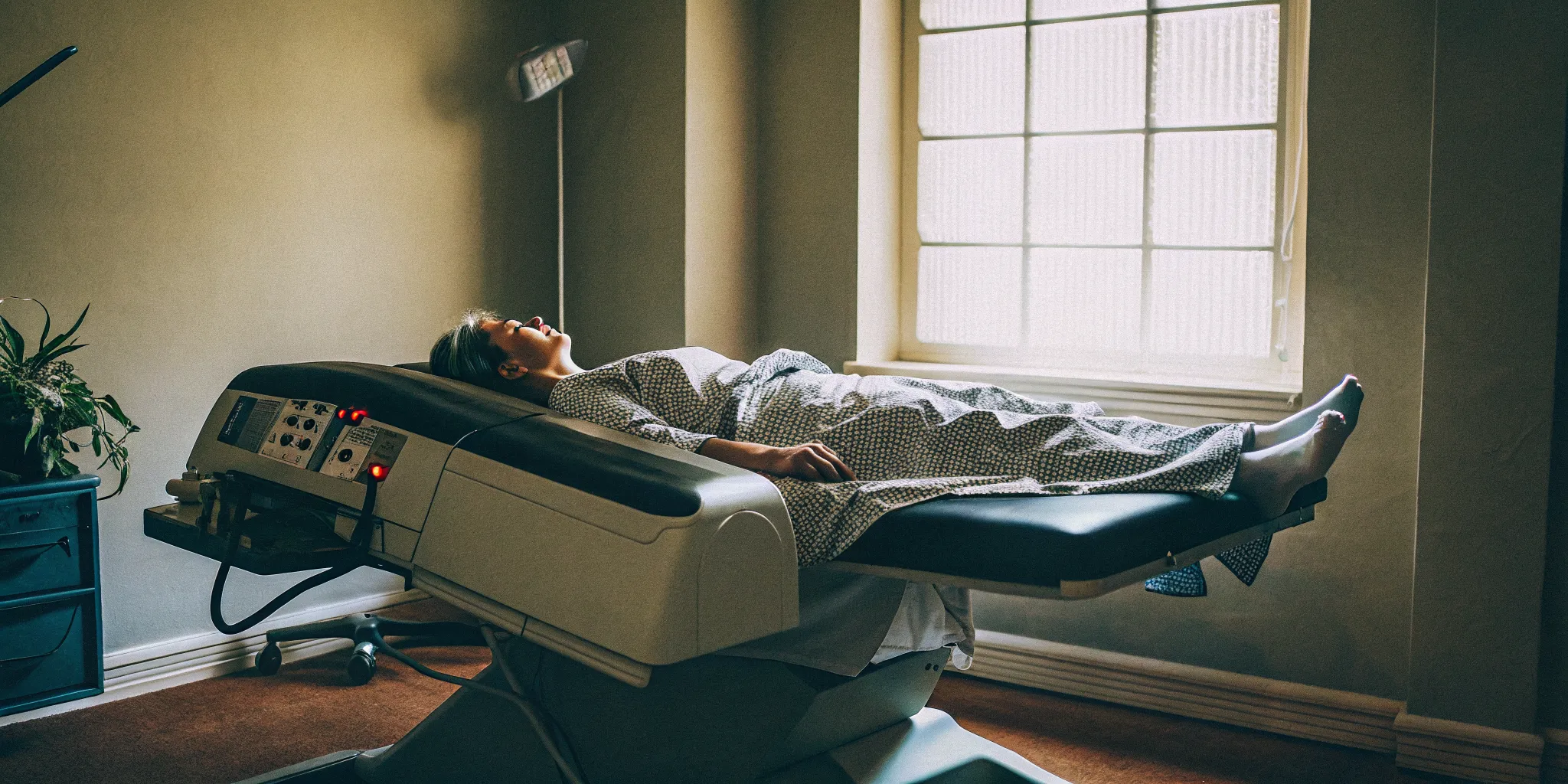
The DRX9000 uses computer-controlled decompression as a non-surgical option for certain patients with chronic back pain related to disc herniation or degenerative disc disease. Learn how DRX9000 works before comparing programs, and ask what is included in the quoted cost.
How the investment compares with surgery
For perspective, spinal surgery can cost approximately $50,000 to $150,000 before considering time away from work, follow-up care, or rehabilitation. A non-surgical program is not a replacement for medically necessary surgery, and no provider can guarantee that it will prevent an operation. For appropriate candidates, however, the lower upfront cost and non-invasive approach may make an evaluation worth considering.
Price alone should not determine candidacy. A qualified provider should review your symptoms, medical history, and imaging to determine whether the treatment is suitable and explain alternatives. Read more about DRX9000 spinal decompression therapy to understand the treatment before making a financial decision.
Schedule your free consultation to receive a candidacy review and a clear explanation of your recommended program and costs.
Does Insurance Cover Spinal Decompression Therapy? What Chicago Patients Need to Know
The honest answer is that most health insurance plans do not cover spinal decompression therapy itself. At DRX Chicago, the decompression service is typically billed under code S9090, and many insurers classify it as a non-covered or self-pay treatment. Coverage rules vary by plan, so confirm the details with your insurer before beginning care.
What insurance may cover
Although the decompression therapy itself is usually not covered, other parts of the evaluation or care plan may be eligible. Depending on your policy, benefits may apply to a consultation, physical examination, diagnostic evaluation, or supportive chiropractic and physical therapy services provided alongside decompression.
Eligibility does not mean the service will be paid in full. Deductibles, copays, authorization requirements, and coinsurance can affect your responsibility. For covered specialist services, coinsurance may commonly fall in the 20% to 50% range, although your plan may use a different percentage. Ask your provider whether a referral, prior authorization, or in-network clinician is required.
Medicare and Medicaid considerations
Medicare and Medicaid generally exclude non-surgical spinal decompression from their covered benefits. Coverage policies can change, and state or managed-care plans may apply their own rules, so check your specific member handbook or call the number on your insurance card. A representative should be able to explain whether examinations, consultations, or related therapies are covered even when S9090 is excluded.
When you call, ask these questions:
- Is code S9090 covered under my plan?
- Are the consultation and examination covered separately?
- Are related chiropractic or physical therapy services eligible?
- Do I need a referral or prior authorization?
- What deductible, copay, or coinsurance would apply?
Financing and planning for your care
If insurance does not cover the decompression portion of treatment, CareCredit may provide a financing option for eligible patients. Discuss available payment arrangements directly with the clinic and review any financing terms carefully before enrolling. A candidacy evaluation can also help you understand whether the treatment is appropriate before you commit financially.
For more information about the evaluation process, read Am I a Candidate for Spinal Decompression. The safest approach is to compare your written insurance benefits with the clinic’s treatment plan, rather than assume that a back-pain service is covered because another therapy is.
Am I a Candidate for Spinal Decompression Therapy? Inclusion and Exclusion Criteria
DRX Chicago does not recommend spinal decompression based on symptoms alone. Candidacy depends on your diagnosis, medical history, imaging, and ability to complete the treatment plan. A comprehensive evaluation, including review of relevant MRI findings, helps determine whether non-surgical decompression is appropriate and whether another type of medical care is needed first.
Who may qualify for treatment?
Spinal decompression may be considered for adults whose persistent symptoms match a condition that can respond to controlled, non-surgical traction. Common inclusion factors include:
- Pain related to a herniated or bulging disc that has continued for more than four weeks. Learn more about herniated disc treatment in Chicago.
- Persistent symptoms after failed back surgery, with at least six months since the procedure.
- Degenerative disc disease that has not responded to at least four weeks of appropriate conservative therapy.
- Age 18 or older.
- Availability and willingness to follow a structured protocol, generally requiring regular visits over approximately four weeks or longer.
- A history of trying conservative approaches such as physical therapy, medication, or chiropractic care without adequate relief.
Meeting one or more of these criteria does not guarantee acceptance into a program. It indicates that a clinical consultation may be worthwhile. You can review the full screening questions on DRX Chicago’s spinal decompression candidacy FAQ.
When may spinal decompression be unsafe?
Certain conditions can make decompression inappropriate or require clearance from another medical professional. Potential exclusion factors and contraindications include:
- Pedicle screws, rods, or other surgical hardware in the treatment area.
- Pregnancy or a spinal fusion performed less than six months ago.
- Metastatic cancer, pelvic or abdominal cancer, or an active disc infection.
- Severe osteoporosis, an unstable spondylolisthesis, or a compression fracture below L1.
- A pars defect, aortic aneurysm, severe peripheral neuropathy, hemiplegia, or paraplegia.
This list is not a substitute for an examination. If your medical history includes prior surgery, fracture, cancer, vascular disease, or a serious neurologic condition, provide complete records before treatment is considered. The goal is not to fit every patient into a protocol. It is to identify appropriate candidates, explain realistic expectations, and refer patients elsewhere when decompression is not the safest option.
Spinal Decompression vs. Back Surgery: Cost, Insurance, Recovery, and Candidacy for Chicago Patients
For many Chicago patients with persistent disc-related back pain, the choice is not simply between doing nothing and having surgery. A comprehensive evaluation can help determine whether a non-invasive DRX9000 program is appropriate before considering an invasive procedure. DRX Chicago presents this option transparently: spinal decompression may be cost-effective for qualified candidates, but it is not a substitute for medically necessary surgery.
| Factor | DRX9000 spinal decompression | Back surgery |
|---|---|---|
| Cost | $2,500-$4,500 for a full treatment program | Approximately $50,000-$150,000 for surgical interventions |
| Recovery time | A structured program completed over roughly 4-7 weeks | Often involves recovery and rehabilitation over months |
| Anesthesia | No general anesthesia | Typically requires general anesthesia or another surgical anesthetic |
| Risks | Non-invasive care with a comparatively minimal risk profile when appropriately prescribed | May include surgical, anesthesia, infection, bleeding, or recovery-related complications |
| Reported success | 76%-88% for qualified candidates | Varies by procedure, diagnosis, health status, and surgeon |
| Downtime | Sessions generally allow patients to continue many normal activities, subject to clinical guidance | Planned downtime may limit work, exercise, driving, and daily activities |
Why cost and recovery matter
The DRX9000 figure reflects a full program rather than a single visit. Treatment commonly includes 20-28 sessions lasting 30-45 minutes. So patients should compare the complete plan with the total financial and practical impact of surgery, not just an advertised per-session price. Because most insurance plans do not cover the decompression therapy code S9090, patients should also ask their insurer what may be covered for consultation, examination, or supportive care.
Outcomes depend on diagnosis and candidacy, not marketing promises. A clinical evaluation, including review of relevant imaging, is essential before choosing either path. To understand the non-invasive approach, read what is DRX9000 spinal decompression therapy and how DRX9000 works. If surgery is medically necessary, delaying it is not appropriate. For qualified candidates seeking another option first, a consultation can clarify the safest next step.
How to Pay for Spinal Decompression Therapy in Chicago: Financing and Payment Options
Because most insurance plans do not cover the spinal decompression therapy code S9090, many patients plan to pay for the treatment program themselves. That does not necessarily mean paying the full amount at once. Understanding the available options can make it easier to evaluate care based on your health goals, budget, and candidacy.
CareCredit and flexible payment plans
CareCredit is the primary financing option available for patients who want to spread treatment costs over time. Approval, promotional terms, interest, and monthly payments depend on the financing agreement, so review the terms carefully before enrolling. DRX Chicago can also discuss flexible payment-plan options during your consultation, allowing you to understand the expected schedule and total obligation before beginning care.
Ask which services are included in the quoted program, when payments are due, and what happens if your evaluation shows that spinal decompression is not appropriate. A transparent financial discussion should accompany a clinical evaluation, not replace it.
Using HSA or FSA funds
Health savings account and flexible spending account funds may be usable for eligible medical expenses, but plan rules vary. Confirm eligibility with your HSA or FSA administrator before assuming the treatment qualifies, and keep your receipts and clinical documentation. You can also ask whether the consultation, examination, or related chiropractic and physical therapy services are separately eligible for insurance reimbursement. Since those services may be treated differently from decompression therapy itself.
Putting the investment in perspective
The full DRX9000 program at DRX Chicago generally ranges from $2,500 to $4,500, with the final recommendation depending on your evaluation and treatment plan. A typical program includes 20 to 28 sessions over four to seven weeks, so a program price may be more useful for planning than comparing isolated per-session rates.
For some qualified patients, non-surgical care represents an investment in addressing persistent pain while avoiding or delaying an invasive procedure. Surgical interventions can cost approximately $50,000 to $150,000, although actual costs vary widely by procedure, facility, insurance, and recovery needs. Spinal decompression is not a substitute for medically necessary surgery in every situation, and candidacy must be determined through a comprehensive evaluation.
For more context on treatment, candidacy, and questions to ask a clinic, review the Guide to Chicago Spinal Decompression.
What to Expect From Your DRX9000 Spinal Decompression Program
DRX Chicago structures each program around your symptoms, imaging, and treatment response. The goal is to provide consistent, non-invasive care while adjusting frequency as your back responds. A typical plan includes 20 to 28 sessions over 4 to 7 weeks, with each visit lasting about 30 to 45 minutes.
-
Step 1: Initial evaluation
Your program begins with a comprehensive evaluation to determine whether spinal decompression is appropriate for your condition. The clinical team reviews your history, symptoms, physical findings, and available MRI results. This step matters because DRX9000 treatment is not suitable for every patient, and candidacy should be determined before a treatment schedule is recommended.
-
Step 2: Treatment sessions
During a session, the DRX9000 uses computer-controlled, logarithmic decompression to create negative pressure inside the treated disc. The pressure can reach approximately -100 to -200 mm Hg. In simple terms, this unloading may help draw fluid into a compressed disc, support disc hydration, and encourage retraction of herniated or bulging material.
To learn more about the mechanics, read How DRX9000 Works. Treatment is non-invasive, but it should still be monitored carefully and adjusted to your comfort and clinical response.
-
Step 3: Graduated tapering
Visits are usually more frequent at the beginning, often scheduled daily during the initial phase. As your symptoms and function are reassessed, the schedule gradually tapers to approximately three visits per week and then two visits per week. This graduated approach helps maintain consistency without treating every phase of the program as though your needs were unchanged.
-
Step 4: Outcome assessment
Throughout the program, DRX Chicago tracks changes in pain, mobility, and daily function rather than relying on a single subjective impression. Reported clinical success rates for qualified candidates range from 76% to 88%, with an average reported pain reduction of 80%. These figures are not guarantees, but they provide context for discussing realistic expectations.
Research associated with non-surgical decompression has also documented MRI-verified disc height increases of approximately 1.0 to 1.6 mm in some patients. DRX Chicago has performed more than 14,500 DRX9000 treatments, yet your recommended plan should remain individualized. If your symptoms involve persistent or severe lower-back problems, review these Lower Back Pain Solutions Chicago and discuss your options with the clinical team.
Why DRX Chicago Is the Premier Choice for Spinal Decompression in Chicago
Choosing a spinal decompression provider involves more than finding an available treatment table. You want a clinic with substantial experience, appropriate technology, and a careful process for determining whether treatment fits your condition. DRX Chicago has served patients in Chicago’s Lakeview neighborhood for more than 25 years, with a focused practice built around non-surgical spinal care.
The clinic has performed more than 14,500 DRX9000 treatments and reports a 95% patient satisfaction rate. Its reputation is also reflected in more than 290 five-star Google reviews and a 4.9 out of 5.0 rating. These figures do not guarantee a particular result, but they provide useful context about the practice’s experience and patient feedback.
Specialized technology and an experienced clinical team
DRX Chicago uses the FDA-cleared DRX9000 system as part of a broader clinical evaluation and treatment plan. The technology is designed to apply computer-controlled decompression to targeted spinal levels, which may help reduce disc pressure and support rehydration of affected discs. The clinic’s doctors, Dr. Jason Ingham, DC, CCSP, and Dr. Erin Schey, DC, evaluate each patient’s history, symptoms, imaging, and health considerations rather than treating every case the same way.
That distinction matters for patients researching spinal decompression cost, insurance, and candidacy in Chicago. A reputable provider should explain what the therapy can and cannot address, review potential contraindications. And distinguish the decompression treatment itself from services that may be eligible for insurance coverage. DRX Chicago also offers financing information, including CareCredit, so patients can make an informed decision about the financial side of care.
For qualified candidates, the clinic reports clinical success rates of 76% to 88%, an average pain reduction of 80%, and 95% patient satisfaction. These are reported aggregate outcomes, not promises. Spinal decompression is not appropriate for everyone, and medically necessary surgery should not be delayed when it is indicated.
Read the complete guide to Chicago spinal decompression to understand the treatment process, evaluation, and questions to ask before scheduling. A free consultation can then help determine whether the DRX9000 approach is a reasonable option for your specific symptoms and goals.
Patients who want focused, evidence-informed care for disc-related pain can also review DRX Chicago’s information on herniated disc treatment in Chicago. The next step should always be a personalized assessment, not a blanket assumption that one therapy fits every patient.
Frequently Asked Questions
Does insurance cover spinal decompression therapy in Chicago?
Most insurance plans do not cover the decompression therapy itself, which is billed under code S9090. Your plan may cover the consultation, examination, or supportive chiropractic and physical therapy services. Confirm benefits and any cost-sharing directly with your insurer before beginning care. Medicare and Medicaid generally exclude non-surgical spinal decompression.
How much does spinal decompression cost in Chicago?
At DRX Chicago, a full treatment program generally ranges from $2,500 to $4,500, depending on the recommended plan. Programs commonly include 20 to 28 sessions over four to seven weeks, rather than a single visit. CareCredit may help eligible patients manage self-pay costs, and the clinic can explain available payment options during a consultation.
Am I a candidate for spinal decompression therapy?
Potential candidates may have persistent pain related to a herniated or bulging disc, degenerative disc disease. Sciatica, or another disc-related condition, especially after conservative care has not provided enough relief. Candidacy is never assumed. A comprehensive evaluation, including review of your symptoms and available imaging, is required to determine whether treatment is appropriate.
What conditions or health factors can make treatment inappropriate?
Important contraindications may include pregnancy, severe osteoporosis, spinal fractures, unstable spondylolisthesis, disc infection. Metastatic cancer, certain abdominal or pelvic cancers, and surgical hardware such as pedicle screws or rods. A recent spinal fusion, significant neurological impairment, or other serious condition may also require exclusion or medical clearance. Share your complete medical history with the care team.
How many sessions are usually needed?
A typical DRX9000 protocol includes 20 to 28 sessions, with each visit lasting about 30 to 45 minutes. Frequency usually changes as care progresses, from more frequent visits early to fewer visits later in the program. Your schedule depends on your condition, evaluation findings, availability, and response to treatment.
Understanding your candidacy starts with a comprehensive evaluation of your back pain and treatment history. The right next step can clarify whether DRX9000 non-surgical spinal decompression fits your needs and help you understand available payment options. Call (773) 868-0347 or Schedule your free consultation at DRX Chicago to find out if DRX9000 can help your back pain.