Persistent back pain can make a short trip across Chicago, a workday, or time with family feel harder than it should. If you live in Pilsen, the South Loop, or a nearby neighborhood, you may be comparing providers based on more than distance. You also need to know whether the practice evaluates the cause of your symptoms, explains your options clearly, and recognizes when non-surgical care is not appropriate.
Finding a back pain specialist near Pilsen and South Loop non-surgical options means choosing qualified care.
The process should include a history, physical and neurological examination, and imaging review when appropriate. DRX Chicago serves greater Chicago, with its established focus in Lakeview and Lincoln Park. It may consider FDA-cleared DRX9000 decompression for qualified candidates.
The right choice depends on your diagnosis, goals, and safety profile, not simply the treatment name. Here is what to look for when evaluating a Chicago spine-care provider and the non-surgical options that may be considered.
What Are Back Pain Specialist Near Pilsen and South Loop Non Surgical Options?
Choosing a provider involves more than finding the closest appointment. Readers comparing back pain specialist near Pilsen and South Loop non-surgical options should look for an explanation of symptoms and a plan matched to their condition.
Does the provider perform a careful evaluation?
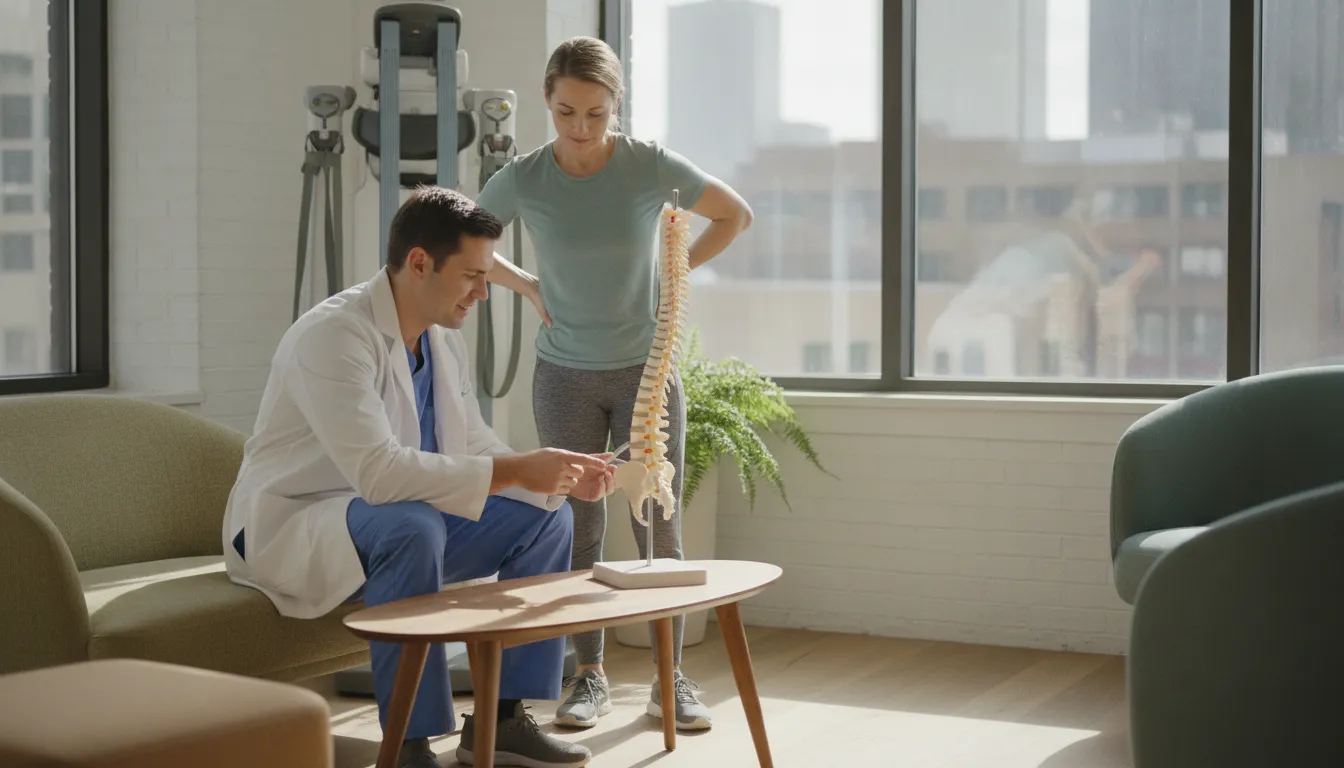
A meaningful first visit should include a detailed health history, questions about how pain affects walking, sleeping, work, and daily activities, and a physical and neurological examination. The provider should review existing imaging and explain whether additional diagnostic imaging is appropriate. This process helps distinguish ordinary muscle strain from problems involving discs, nerves, or spinal narrowing. Cleveland Clinic describes individualized back-pain care as considering how pain affects each person’s life, rather than relying on a single generic approach.
Are the credentials and treatment options clear?
Ask who will evaluate you, what licenses or certifications they hold, and how their experience relates to your symptoms. A qualified specialist should also explain the full range of reasonable care. Depending on the findings, that may include exercise guidance, rehabilitation, chiropractic care, soft-tissue work, or other conservative therapies. If spinal decompression is discussed, ask how candidacy is determined, what the treatment is designed to do, and what alternatives remain available.
DRX Chicago specializes in computer-controlled spinal decompression using FDA-cleared DRX9000 technology, but treatment is not presented as a guaranteed cure or a replacement for medically necessary surgery. A responsible practice screens for factors that may make decompression inappropriate, such as fractures, tumors, active spinal infection, severe osteoporosis, pregnancy, or hardware at the treatment level. It should also communicate realistic expectations and tell you when another type of medical referral is more suitable.
Can you access care safely and consistently?
Location matters because a treatment plan may involve multiple visits. DRX Chicago serves greater Chicago, with its primary focus in Lakeview and Lincoln Park. It does not claim an office in Pilsen or South Loop, so confirm travel time, scheduling, and follow-up arrangements before beginning care. You can review broader Chicago back pain treatment options and compare them with your evaluation findings.
Do not wait for a routine consultation if back pain follows major trauma, or if you develop new or worsening leg weakness. Numbness in the groin or saddle area or difficulty controlling urination or bowel movements also require prompt medical evaluation. For less urgent symptoms that persist, worsen, or interfere with daily life, a comprehensive assessment can help determine whether non-surgical care is reasonable.
Which Non-Surgical Options May a Chicago Back Pain Specialist Consider?
Non-surgical care is not one treatment. A Chicago back pain specialist may combine several approaches. The plan depends on the suspected source of pain, symptom duration, prior treatment, examination findings, and daily impact.
Some sudden back pain improves with time and basic home care. Persistent pain or radiating symptoms may call for a structured evaluation.
Conservative care may be considered first or used alongside other treatment. Options can include activity modification, targeted exercise, core stabilization, physical therapy, chiropractic care, neural mobilization, and soft-tissue work. A provider may also discuss supportive modalities, such as cold therapy or other therapeutic treatments, when they fit the patient’s goals and examination findings. The purpose is to improve movement and function while addressing contributing factors, not simply to mask discomfort.
How can spinal decompression fit into a non-surgical plan?
For selected patients with bulging or herniated discs, degenerative disc changes, sciatica, or certain forms of spinal stenosis, a specialist may discuss decompression. Spinal decompression refers broadly to treatment intended to reduce pressure on spinal neural elements. It is not appropriate for every diagnosis, so evaluation comes first.
DRX Chicago uses FDA-cleared DRX9000 spinal decompression therapy. The system applies computer-controlled, logarithmic decompression rather than a constant pulling force. According to the practice’s clinical materials, this approach is intended to create reported negative intradiscal pressure of approximately -100 to -200 mm Hg. That pressure change is described as a way to reduce loading within a targeted disc and support disc rehydration or retraction of disc material. These are treatment mechanisms, not promises of a particular outcome.
A plan may also pair decompression with exercise or other supportive care. The number and frequency of sessions depend on candidacy and the treatment plan developed after examination. Patients should ask what the evaluation found, what improvement would be measured, and what alternatives remain if the approach does not help.
| Option | What it may include | What determines fit |
|---|---|---|
| Conservative care | Exercise, activity guidance, rehabilitation, or supportive therapies | Symptoms, examination, goals, and response to care |
| Spinal decompression | Computer-controlled DRX9000 treatment for selected patients | Candidacy screening, diagnosis, imaging, and safety factors |
| Medical referral | Evaluation by another specialist or surgical team | Urgent symptoms, progressive deficits, or structural findings |
What should patients keep in mind?
- Non-surgical treatment should be matched to the diagnosis, symptoms, and health history.
- Decompression should not be presented as a replacement for medically necessary surgery or urgent medical care.
- New or worsening weakness, loss of bladder or bowel control, saddle numbness, fever, or severe injury requires prompt medical evaluation.
For residents of Pilsen, South Loop, and nearby neighborhoods, the practical next step is a consultation. It can clarify whether conservative care, decompression, another referral, or a combination makes sense.
How Does DRX9000 Candidacy Get Evaluated?
A candidacy evaluation is designed to answer a practical question: is non-surgical spinal decompression a reasonable option for your symptoms, health history, and goals? DRX Chicago does not treat every case with the same protocol, and the DRX9000 is not appropriate for everyone. A consultation should establish what may be causing your pain, whether warning signs require another type of medical care, and whether decompression can be considered safely.
What happens during the evaluation?
The process generally begins with a detailed health history. You may be asked when your symptoms started, where you feel pain or numbness. What activities make it better or worse, and whether you have tried medication, physical therapy, chiropractic care, injections, or other treatments. Your provider may also review previous injuries, surgeries, medical conditions, medications, and your goals for returning to work, exercise, or everyday activities.
A physical and neurological examination helps add context to your symptoms. This may include checking posture, spinal movement, strength, reflexes, sensation, balance, and how symptoms travel into the legs or arms. These findings can help distinguish pain that may be related to a disc or nerve from symptoms that need a different evaluation. The examination is also an opportunity to discuss urgent symptoms rather than assuming they are appropriate for a decompression program.
Existing X-rays, MRI scans, or other diagnostic records may be reviewed when they are available. If additional information is needed, imaging or another medical evaluation may be recommended where appropriate. Imaging alone does not determine candidacy. The findings need to be considered alongside your symptoms, examination, overall health, and treatment objectives.
Which safety factors are screened?
Before treatment is considered, the evaluation should screen for conditions that could make decompression unsuitable or require referral. Relevant safety factors may include the following:
- Ask about pregnancy or severe osteoporosis.
- Review any spinal fracture, tumor, or active infection.
- Discuss ankylosing spondylitis or significant inflammatory spinal disease.
- Report surgical hardware at the level being considered for treatment.
- Report severe peripheral neuropathy or concerning neurologic changes.
- Discuss blood-clotting disorders or other conditions that could increase treatment risk.
This list is not a substitute for an examination, and one factor does not determine your care without clinical context. If you have progressive weakness, loss of bladder or bowel control, saddle numbness, fever with severe back pain, or a major recent injury, seek appropriate medical evaluation promptly. For more detail on screening considerations, review DRX9000 safety and candidacy.
After the evaluation, the provider can explain whether DRX9000 treatment may be considered. The provider can also discuss other conservative options or referral to another specialist. Recommendations should be based on individual findings, not promises of guaranteed relief.
What Conditions Can Non-Surgical Spine Care Address?
Non-surgical spine care is not a diagnosis by itself. It is a treatment pathway considered after a clinician reviews your symptoms, health history, physical and neurological findings, and imaging when appropriate. The same symptom can have different causes. The goal is to identify what may be irritating a nerve, stressing a joint, or affecting a spinal disc before choosing care.
Patients from Pilsen, South Loop, and nearby Chicago neighborhoods may ask about several common concerns.
- Nonspecific back pain: Sudden low back pain often improves with time and appropriate self-care, while persistent or recurring pain may call for a more structured plan. Care may combine activity guidance, exercise, chiropractic treatment, rehabilitation, or other conservative modalities based on the individual.
- Sciatica: Pain, tingling, numbness, or weakness that travels from the low back into the buttock or leg can reflect irritation of the sciatic nerve. A focused evaluation helps distinguish sciatica from other causes of leg symptoms. Learn more about non-surgical sciatica treatment.
- Herniated or bulging discs: Discs act as cushions between the vertebrae. A bulging disc extends outward, while a herniated disc involves material pushing through a weakened outer layer. Either may contribute to back pain or nerve-related symptoms, but imaging findings must be considered alongside the examination rather than treated in isolation.
- Degenerative disc disease: Age-related wear, daily activity, sports, or previous injury can reduce a disc’s cushioning. Non-surgical care may focus on reducing irritation, improving movement, strengthening supporting muscles, and managing symptoms over time.
- Spinal stenosis: Narrowing around the spinal canal or nerve openings may result from bone changes, disc bulging, or other structural factors. Whether decompression or another conservative approach is appropriate depends on the location, severity, neurological findings, and overall health.
These conditions can overlap. For example, a disc problem may contribute to sciatica, while degenerative changes may coexist with stenosis. A treatment plan should be individualized rather than based only on a scan or a broad label. Spinal decompression is considered for qualified candidates and is not a guaranteed cure or a substitute for medically necessary surgery.
When should you seek prompt medical evaluation? Do not wait for a routine consultation if back or leg symptoms occur with new bowel or bladder changes. Numbness in the saddle area, progressive weakness, fever, major trauma, or severe unexplained pain. These warning signs can indicate a condition requiring urgent medical assessment. Once serious causes have been addressed, a qualified provider can help determine whether non-surgical spine care fits your diagnosis and goals.
When Is Surgery or Another Medical Referral More Appropriate?
Non-surgical care can be worth exploring, but it is not right for every back pain problem. A medical referral may be more appropriate when symptoms suggest a serious condition, nerve function is worsening, or imaging shows a problem requiring another level of care. DRX Chicago does not present the DRX9000 as a replacement for medically necessary surgery. Evaluation should determine which path is safest for your condition.
Do not delay urgent medical evaluation while looking for a back pain specialist near Pilsen and South Loop non surgical options. Seek prompt care for new or progressive neurological symptoms, significant weakness, loss of bladder or bowel control, severe symptoms after major trauma, or other concerning changes. Fractures, tumors, active infections, severe nerve damage, and certain structural conditions may require medical management, specialist oversight, or surgery rather than spinal decompression.
When might a surgical consultation be appropriate?
Surgery may be considered when pain or functional loss remains severe despite appropriate conservative treatment, when a structural problem causes ongoing nerve compression, or when neurological deficits progress. The decision depends on the diagnosis, examination, imaging, general health, expected benefits, and potential risks. A surgical consultation does not obligate you to have an operation. It can clarify what surgery would address and which alternatives may be reasonable.
Chronic low back pain may involve medical and surgical spine experts, pain specialists, and rehabilitation professionals. Cleveland Clinic describes customized care that considers how pain affects daily life and may use multiple approaches: learn more about multidisciplinary low-back-pain treatment.
How can a second opinion support an informed decision?
If surgery has been recommended, an informed second opinion can clarify the diagnosis and compare reasonable paths without criticizing the first clinician or delaying needed care. Bring imaging reports, test results, medication details, and a symptom timeline. Ask what the proposed treatment is intended to solve, what could happen if you wait, which non-surgical options have been tried, and how recovery would be measured.
For qualified candidates, a non-surgical evaluation may determine whether decompression or complementary care belongs in the plan. It should include a careful history, physical and neurological examination, and imaging review when appropriate. If findings point outside the scope of non-surgical care, referral is the responsible next step. You can review non-surgical back surgery alternatives, then discuss your goals with an appropriately qualified provider. Shared decision-making means choosing care based on safety, evidence, diagnosis, and your goals, not pressure to select surgery or avoid it.
What Should a First Visit to DRX Chicago Include?
A first visit should give you a clear understanding of what may be contributing to your symptoms and whether non-surgical spinal care is appropriate. At DRX Chicago, the process begins with a consultation about your pain, how it affects work, sleep, mobility, and daily activities, and what you have already tried. You can also discuss your goals, such as walking more comfortably, returning to exercise, or exploring options before considering surgery.
The team will review your health history, symptom pattern, previous injuries or procedures, medications, and relevant medical conditions. A physical examination may assess posture, range of motion, muscle strength, reflexes, sensation, and signs that could indicate nerve involvement. A neurological examination is important because back pain with numbness, weakness, or radiating symptoms may require a more specific evaluation. Existing X-rays, MRI results, or other imaging may be reviewed, and additional imaging may be recommended when appropriate.
This evaluation also supports safety screening. Factors such as pregnancy, severe osteoporosis, a spinal fracture, tumor, infection, ankylosing spondylitis, or hardware at the treatment level may affect candidacy. If symptoms suggest an urgent neurological or medical problem, the appropriate next step may be medical evaluation rather than delaying care to pursue decompression.
If you are considered a qualified candidate, the clinician can explain how FDA-cleared DRX9000 decompression may fit into a broader plan. A typical protocol is 20 to 28 sessions over four to seven weeks, with each session lasting about 30 to 45 minutes. Frequency generally changes as care progresses, but your schedule may vary based on your condition, response, goals, and the recommendations made after evaluation. Supportive care, such as exercise, core stabilization, chiropractic care, or soft-tissue therapy, may also be discussed when clinically appropriate.
This conversation should include realistic expectations, alternatives, and any questions you have about comfort, scheduling, or follow-up. Decompression is not appropriate for everyone, and no treatment can guarantee a particular result. The purpose of the first visit is to make an informed decision based on your examination and individual circumstances. Not to commit you to a predetermined course of care.
It is also reasonable to ask about the financial side before beginning. The decompression therapy itself is generally not covered by insurance, while coverage for a consultation, examination, or supportive services can vary by plan. DRX Chicago can explain available options, including CareCredit financing when applicable, without quoting a universal treatment price. To discuss your symptoms and next steps, schedule a free consultation.
Frequently Asked Questions
Does DRX Chicago have an office in Pilsen or South Loop?
DRX Chicago serves patients throughout greater Chicago, including people comparing care from Pilsen and South Loop. Its established location focus is Lakeview and Lincoln Park, so confirm the current office details and travel options before scheduling. The team can discuss your symptoms and whether an evaluation is appropriate.
What happens during a non-surgical back pain evaluation?
A thorough evaluation typically reviews your medical history, symptoms, physical function, and neurological status. The provider may also review existing imaging or recommend imaging when appropriate. This process helps identify possible causes of pain, determine whether conservative care may be suitable, and screen for conditions that require another type of medical evaluation.
How long does a DRX9000 treatment plan usually take?
For qualified candidates, a typical plan is 20 to 28 sessions over approximately 4 to 7 weeks, with each session lasting about 30 to 45 minutes. The schedule is usually adjusted gradually based on the patient and response to care. This is a general protocol, not a promise that every patient needs or benefits from the same number of visits. (Source: DRX Chicago clinical services and offerings documentation.)
Is spinal decompression covered by health insurance?
Insurance generally does not cover the decompression therapy itself. Coverage may vary for a consultation, examination, or supportive services, so ask about your specific benefits before beginning care. DRX Chicago may also offer CareCredit financing, with eligibility and terms determined by the financing provider.
When should back pain be evaluated urgently?
Seek prompt medical attention for new or worsening weakness, loss of bowel or bladder control, saddle numbness, fever with severe back pain, or pain after significant trauma. These symptoms can signal a condition that needs medical evaluation, and you should not delay necessary care while exploring non-surgical treatment.
Schedule Your Next Step With DRX Chicago
If back pain is affecting your daily routine, a candidacy evaluation can help clarify which non-surgical options may be appropriate for your condition and goals. The team can review your symptoms, health history, and any relevant imaging before discussing potential next steps. Schedule a free consultation with DRX Chicago through the contact page. This conversation can help you make an informed decision about care without assuming that one treatment fits every patient.