Back pain can make a short walk, a commute, or a full day at work feel much harder than it should. For Chicago patients dealing with a herniated disc, sciatica, or persistent low back pain, the next step is not always surgery. A careful evaluation can help determine whether a non-surgical approach fits the condition, the patient’s goals, and their overall health.
Spinal decompression Chicago care may offer a non-surgical option for selected patients with disc-related back pain. DRX Chicago uses the DRX9000, which applies computer-controlled decompression to create negative intradiscal pressure and support disc hydration and retraction of herniated or bulging material. Candidacy must be determined through a comprehensive clinical evaluation.
The technology, the conditions it may address, and the safeguards used to determine candidacy all matter when comparing treatment options. Understanding how the therapy works provides a useful starting point for deciding what questions to bring to a consultation.
What Is Spinal Decompression Therapy and How Does It Work?
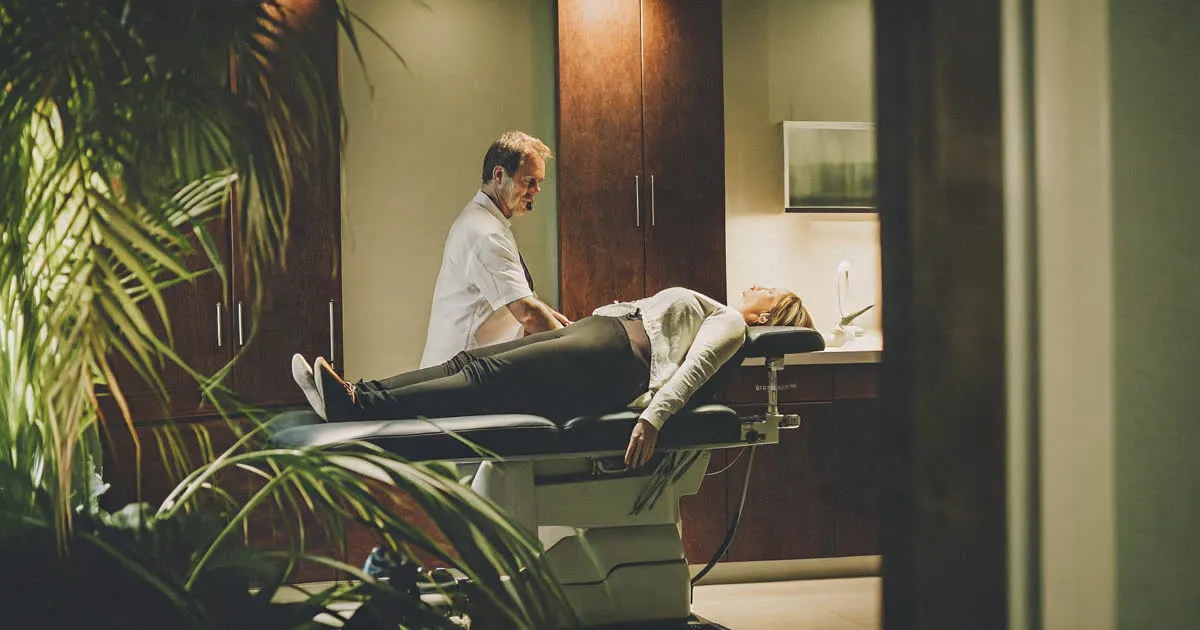
Spinal decompression therapy is a non-surgical approach that uses controlled pulling forces to reduce pressure within targeted spinal discs. At DRX Chicago, the DRX9000 applies this process through a computer-controlled protocol designed to create carefully measured changes in the treated area. Rather than relying on one continuous, manually adjusted stretch.
The DRX9000 mechanism
The DRX9000 uses computer-controlled logarithmic decompression. In practical terms, the device varies the force in a gradual, programmed pattern that is intended to be more precise and comfortable than a constant traction force. The treatment is individualized based on the patient’s condition, the spinal level being addressed, and the clinical findings from the evaluation.
According to DRX Chicago’s complete guide to spinal decompression technology in Chicago, this process can create negative intradiscal pressure of approximately -100 to -200 mm Hg. That pressure change is intended to produce a vacuum-like effect inside the disc. The goal is to promote disc hydration and support the retraction of herniated or bulging disc material.
Why pressure changes matter
Spinal discs function as cushions between the vertebrae. When a disc becomes dehydrated or its outer portion weakens, the disc may lose height or bulge into nearby spaces. In some cases, that can contribute to irritation or compression around spinal nerves, which may be associated with back pain, leg symptoms, or reduced movement.
By alternating the decompressive force, the DRX9000 is designed to apply a controlled mechanical stimulus without surgery. The intended response is not an instant correction or guaranteed cure. Instead, treatment aims to create conditions that may support disc hydration and reduce mechanical stress while the patient’s broader care plan addresses movement. Posture, and other contributors to symptoms.
Whether this approach is appropriate depends on a comprehensive evaluation. A diagnosis, medical history, imaging when indicated, and screening for contraindications all matter before treatment begins. Spinal decompression should be viewed as a targeted non-surgical option for appropriately selected patients, not as a substitute for medically necessary surgery or emergency care.
Common Back Conditions Treated with Spinal Decompression in Chicago
DRX Chicago uses the DRX9000 as a non-surgical treatment option for qualified patients with herniated or bulging discs, sciatica, degenerative disc disease, spinal stenosis, and related pinched-nerve symptoms. These conditions can affect movement, sleep, work, and everyday activities, especially when symptoms continue despite initial care.
Herniated and bulging discs
A herniated or bulging disc may irritate nearby spinal nerves and contribute to localized back pain, leg pain, numbness, or weakness. DRX9000 therapy is designed to use computer-controlled decompression to reduce pressure within the targeted disc area and support the treatment plan selected for the individual patient. If you are specifically concerned about a bulging L5-S1 disc, read this guide to spinal decompression therapy and that condition.
Sciatica and pinched nerves
Sciatica describes pain or other symptoms that travel along the sciatic nerve, often from the lower back into the hip, buttock, or leg. A pinched or irritated nerve can produce similar radiating symptoms. DRX Chicago specializes in advanced non-invasive care for conditions that are commonly referred to orthopedic surgeons, including herniated discs and sciatica. Treatment is not a guaranteed cure, and the source of nerve irritation must be evaluated before a patient is considered for care.
Degenerative disc disease
Degenerative disc disease involves changes in the spinal discs that may contribute to chronic stiffness and back pain. Some patients explore non-surgical options after trying other approaches, particularly when they want to avoid or postpone surgery where medically appropriate. The DRX9000 complete guide explains the technology, clinical evidence, and candidacy process in more detail through this resource on spinal decompression technology in Chicago.
Spinal stenosis
Spinal stenosis involves narrowing around the spinal canal or nerve passageways. Depending on the location and severity, it may be associated with back pain, leg symptoms, or reduced tolerance for standing and walking. Because stenosis can have different causes and presentations, a comprehensive evaluation is important before considering non-surgical decompression.
Many patients who inquire about this care have already tried two or three conservative treatments, such as physical therapy or medication, without achieving the improvement they hoped for. That history does not automatically make someone a candidate. DRX Chicago reviews the diagnosis, symptoms, medical history, and relevant safety considerations before recommending a treatment plan.
Who Is a Good Candidate for Non-Surgical Spinal Decompression?
A good candidate may have a disc-related or nerve-related back condition and may be seeking a non-surgical option after other conservative approaches have not provided enough relief. However, only a comprehensive clinical evaluation can determine whether DRX9000 treatment is appropriate.
At DRX Chicago, the evaluation begins with a review of your symptoms, medical history, diagnostic information, and treatment goals. People who may be considered include those with conditions such as herniated or bulging discs, sciatica, degenerative disc disease, or spinal stenosis. The goal is not simply to match a diagnosis to a machine. It is to understand the cause of your symptoms, assess your overall health, and determine whether the treatment can be used safely and appropriately.
Why the evaluation matters
Dr. Jason Ingham, DC, CCSP, and Dr. Erin Schey, DC, conduct the candidacy evaluation at DRX Chicago. They look for clinical factors that may affect both safety and the likelihood of a useful response. This individualized process also helps distinguish patients who may benefit from non-surgical spinal decompression from those who need another type of medical or surgical care.
Reported clinical outcomes associated with qualified candidates include 95% patient satisfaction, a 76% to 88% clinical success rate, and an average 80% pain reduction. These figures are not guarantees, and they do not mean that every person with back pain is a candidate. Your expected benefit depends on your condition, health history, and response to care.
When DRX9000 may not be appropriate
Some conditions can make spinal decompression unsafe or unsuitable. The screening process specifically considers pregnancy, severe osteoporosis, spinal fractures, tumors, infections, surgical hardware at the treatment level, and ankylosing spondylitis. These contraindications are important because applying traction without accounting for them could increase risk or fail to address the underlying problem.
- Pregnancy or severe osteoporosis
- Spinal fractures, tumors, or infections
- Surgical hardware at the treatment level
- Ankylosing spondylitis
If you are exploring spinal decompression Chicago patients use to pursue non-surgical relief, begin with an evaluation rather than assuming you qualify. The DRX Chicago team can explain the findings, discuss appropriate options, and identify when a referral or different form of care is the better next step.
Read more about DRX9000 spinal decompression technology.
What to Expect During DRX9000 Spinal Decompression Treatment Sessions
DRX Chicago typically delivers DRX9000 spinal decompression through a structured, gradual program rather than a single visit. The process begins with an evaluation, continues with a personalized schedule, and adjusts treatment frequency as your body responds. Each session is designed to be controlled and comfortable, with patients commonly describing a gentle stretching sensation rather than pain.
-
Complete an initial evaluation
Before treatment begins, a clinician reviews your symptoms, medical history, and available diagnostic information. This evaluation helps determine whether spinal decompression is appropriate for your condition and screens for factors that may make treatment unsuitable. Such as pregnancy, severe osteoporosis, a spinal fracture, infection, tumor, or surgical hardware at the treatment level. Candidacy is individualized, so an evaluation is essential even if your symptoms resemble those of another patient.
-
Build a personalized treatment plan
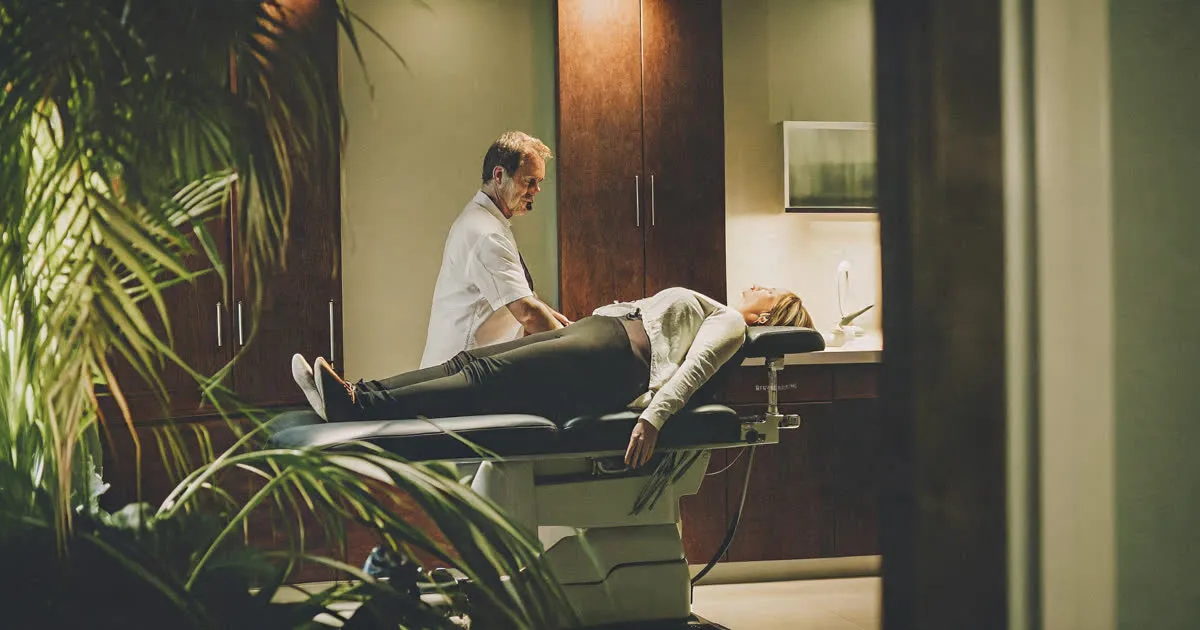
If you are considered a candidate, the care team establishes a plan based on your condition, goals, and clinical findings. The DRX9000 uses computer-controlled decompression to deliver a controlled pulling pattern while you remain positioned on the table. The goal is a measured, non-surgical approach, not forceful stretching or a one-size-fits-all protocol.
-
Attend a series of scheduled sessions
The standard protocol described by DRX Chicago involves 20 to 28 sessions over approximately 4 to 7 weeks. Each appointment generally lasts 30 to 45 minutes. The number and timing of sessions can vary according to your evaluation and response. But completing the recommended series gives the clinical team time to monitor your progress rather than judging the approach after one appointment.
-
Progress through graduated frequency
Treatment frequency generally begins with daily visits, then decreases to about three sessions per week, followed by approximately two sessions per week. This graduated schedule allows the plan to become less intensive as care progresses. Your clinician may discuss changes based on comfort, symptoms, function, and other findings during follow-up visits.
-
Notice a controlled stretching sensation
During a DRX9000 session, many patients feel gentle, rhythmic stretching in the treated area. Treatment should not be painful. Tell the clinician immediately if you feel sharp pain, increasing discomfort, numbness, or anything that does not feel right so the setup or plan can be reassessed. For additional context, read DRX Chicago’s guide to non-surgical back pain treatment.
The protocol is intended to be individualized and monitored throughout care. DRX9000 spinal decompression is not guaranteed to work for every patient, and a comprehensive evaluation is the appropriate starting point for deciding whether it fits your needs.
Schedule Your Free Consultation at DRX Chicago Today
How Spinal Decompression in Chicago Serves North Side Neighborhoods
DRX Chicago provides non-surgical back pain care for patients throughout Chicago, with its primary location serving Lakeview, Lincoln Park, and surrounding North Side neighborhoods. Patients travel from Wicker Park, Bucktown, Andersonville, Roscoe Village, Rogers Park, Evanston, Skokie, the Loop. And nearby Pilsen and South Loop communities for an evaluation of whether DRX9000 treatment may be appropriate for their condition.
Lakeview and Lincoln Park are important parts of the practice’s patient community, including professionals looking for an option beyond repeated conservative care or surgery discussions. The broader service area reflects a practical reality: persistent back pain can affect anyone’s work. Mobility, exercise routine, and quality of life, regardless of which Chicago neighborhood they call home.
A Chicago practice with extensive treatment experience
Choosing a local clinic is not only about distance. It is also about whether the team has meaningful experience evaluating candidates and delivering the specific treatment being considered. DRX Chicago has served the Chicago area for more than 25 years and has performed more than 14,500 DRX9000 treatments. Those figures describe the practice’s experience with this technology, not a guarantee that every patient will benefit.
The clinical team includes Dr. Jason Ingham, DC, CCSP, and Dr. Erin Schey, DC. A comprehensive evaluation is still necessary before treatment, because spinal decompression is not appropriate for everyone. The assessment considers the patient’s symptoms, medical history, imaging when indicated, and possible contraindications before a treatment plan is recommended.
Convenient access from Chicago and nearby suburbs
For patients in Lakeview or Lincoln Park, the primary location may be a short trip from home or work. Patients coming from Wicker Park, Bucktown, Andersonville, Roscoe Village, Rogers Park, Evanston, Skokie. The Loop, or the South Side can also plan care around a structured series of appointments. The treatment schedule typically involves multiple visits over several weeks, so travel time and appointment consistency are reasonable factors to discuss during a consultation.
DRX Chicago has also built a strong local reputation, with more than 290 five-star Google reviews. Reviews can offer insight into patients’ experiences with communication and the care environment. But they should not replace an individualized medical evaluation or be treated as a promise of a particular outcome.
To learn more about the doctors, treatment approach, and Chicago practice, visit the About DRX Chicago page. A consultation can help determine whether DRX9000 spinal decompression fits your symptoms, goals, and overall health needs.
Non-Surgical Spinal Decompression vs. Back Surgery: What to Consider
For some appropriately screened patients, DRX9000 spinal decompression offers a non-surgical option before considering back surgery. The right choice depends on the diagnosis, severity of the condition, prior treatment, and recommendations from qualified medical professionals. DRX Chicago does not present decompression as a replacement for medically necessary surgery.
| Consideration | DRX9000 spinal decompression | Back surgery |
|---|---|---|
| Published program cost range | $2,500-$4,500 for a DRX9000 treatment program | $50,000-$150,000 for surgical interventions |
| Recovery time | A planned series of non-surgical sessions over several weeks, without an operation or surgical incision | Requires postoperative recovery, with timing and activity restrictions varying by procedure and patient |
| Risks and screening | Requires a comprehensive candidacy evaluation. It is not appropriate for every condition or patient. | Involves the risks and recovery considerations associated with an invasive operation. A surgeon determines whether it is indicated. |
| Reported outcomes | DRX Chicago reports a 76-88% clinical success rate for qualified candidates and 95% patient satisfaction. | Results vary by diagnosis, procedure, and individual patient. No single success rate applies to every back surgery. |
The cost comparison is one reason some Chicago patients investigate a non-surgical path first, particularly after trying other conservative options. DRX Chicago has documented 388 cases of surgery avoidance. But that figure does not mean every patient can avoid surgery or that decompression will produce the same result for everyone. A candidacy evaluation is essential, especially when imaging, neurological symptoms, or a serious underlying condition may change the treatment decision.
Patients with a bulging disc who want to understand their options can review this guide to spinal decompression therapy for a bulging L5/S1 disc. The DRX9000 program is not a guarantee or a substitute for urgent medical care when surgery is medically necessary.
Insurance is another practical consideration. Most insurance plans do not cover the DRX9000 decompression therapy itself, billed under code S9090. Although a consultation, examination, or supportive therapy may be covered depending on the plan. Confirm benefits and payment options with the clinic and your insurer before beginning care.
Clinical Research Supporting Spinal Decompression Therapy
Clinical research on spinal decompression therapy includes randomized trials, comparisons with conventional traction, and outcome measures such as pain, function, quality of life, and imaging changes. The evidence should be interpreted alongside a patient’s diagnosis and clinical evaluation, because results are not uniform for every back condition.
What randomized research shows
A randomized controlled trial examined whether adding non-surgical decompression therapy to routine physical therapy could improve outcomes for people with lumbar radiculopathy compared with physical therapy alone. The study evaluated pain, range of motion, endurance, functional disability, and quality of life. This design is useful because it compares decompression as part of a treatment plan against a common conservative-care approach. Rather than relying only on patient anecdotes or marketing claims. Read the randomized controlled trial on lumbar radiculopathy.
Another published study compared conventional motorized traction with non-surgical spinal decompression performed using a DRX9000 device. Researchers assessed short-term changes in pain, function, depression, and quality of life among people with chronic low back pain associated with lumbar disc herniation. The comparison is relevant because not all traction systems deliver the same protocol or control. Review the PubMed study comparing motorized traction and DRX9000 decompression.
DRX Chicago outcome measures
DRX Chicago reports outcomes for qualified candidates that include 95% patient satisfaction, a 76-88% clinical success rate, and an average 80% reduction in pain. The practice also cites MRI-verified increases in disc height of 1.0-1.6 mm. These figures are practice-reported outcomes, not a guarantee of what any individual patient will experience, and candidacy must be determined through a comprehensive evaluation.
Within the non-surgical decompression category, DRX Chicago positions the DRX9000 as having the strongest published clinical evidence compared with other technologies, including VAX-D, DTS, and SpineMED. The system uses computer-controlled decompression, but technology alone does not determine suitability or results. The treating team, including Dr. Jason Ingham and Dr. Erin Schey, considers the patient’s symptoms, imaging, medical history, and contraindications before recommending care. Learn more about About DRX Chicago and its clinical team.
For someone researching spinal decompression in Chicago, the most useful question is not whether a device promises a universal cure. It is whether the available research, the treatment approach, and an individualized evaluation support a reasonable non-surgical option for that person’s condition.
Frequently Asked Questions
How long does a DRX9000 spinal decompression session last?
A typical DRX9000 session lasts about 30 to 45 minutes. A complete program commonly includes 20 to 28 sessions over four to seven weeks, with visit frequency adjusted as your care progresses.
What conditions may spinal decompression help?
Spinal decompression may be considered for people with herniated or bulging discs, sciatica, degenerative disc disease, spinal stenosis, or related nerve irritation. The appropriate approach depends on your symptoms, medical history, and examination findings. It is not a guaranteed cure or a substitute for surgery when surgery is medically necessary.
How do I know if I am a candidate for treatment?
Candidacy is determined through a comprehensive evaluation rather than a diagnosis alone. The assessment screens for factors such as pregnancy, severe osteoporosis, fractures, tumors, infections, surgical hardware at the treatment level, and ankylosing spondylitis. A clinician can explain whether the DRX9000 approach is appropriate for your condition.
Does insurance cover DRX9000 decompression therapy?
Most insurance plans do not cover the decompression therapy itself, which is associated with code S9090. Depending on your plan, the consultation, examination, or supportive therapies may have coverage. Ask the DRX Chicago team to review available payment and financing options before beginning care.
Ready to Explore Your Next Step?
If you are exploring non-surgical options for back pain in Chicago, DRX Chicago can help you understand whether spinal decompression with the DRX9000 is appropriate for your condition. Back pain does not have to define your daily life, and the right next step starts with a conversation, not an operation.
A free consultation at DRX Chicago gives you the opportunity to discuss your symptoms. Learn about the DRX9000 technology, review candidacy factors, and ask the questions that matter most to your situation. The clinical team takes the time to understand your medical history, explain what spinal decompression involves. And outline what a treatment program would look like if you are found to be a candidate.
Schedule your free consultation at DRX Chicago or call (773) 868-0347 to speak with the team. Your evaluation is the first step toward determining whether non-surgical spinal decompression in Chicago is the right path for you.
DRX Chicago can help you understand whether non-surgical spinal decompression is appropriate for your back pain and goals. To schedule your free consultation, call DRX Chicago at (773) 868-0347. A consultation is an opportunity to discuss your symptoms, review your options, and determine whether a comprehensive evaluation is the right next step.